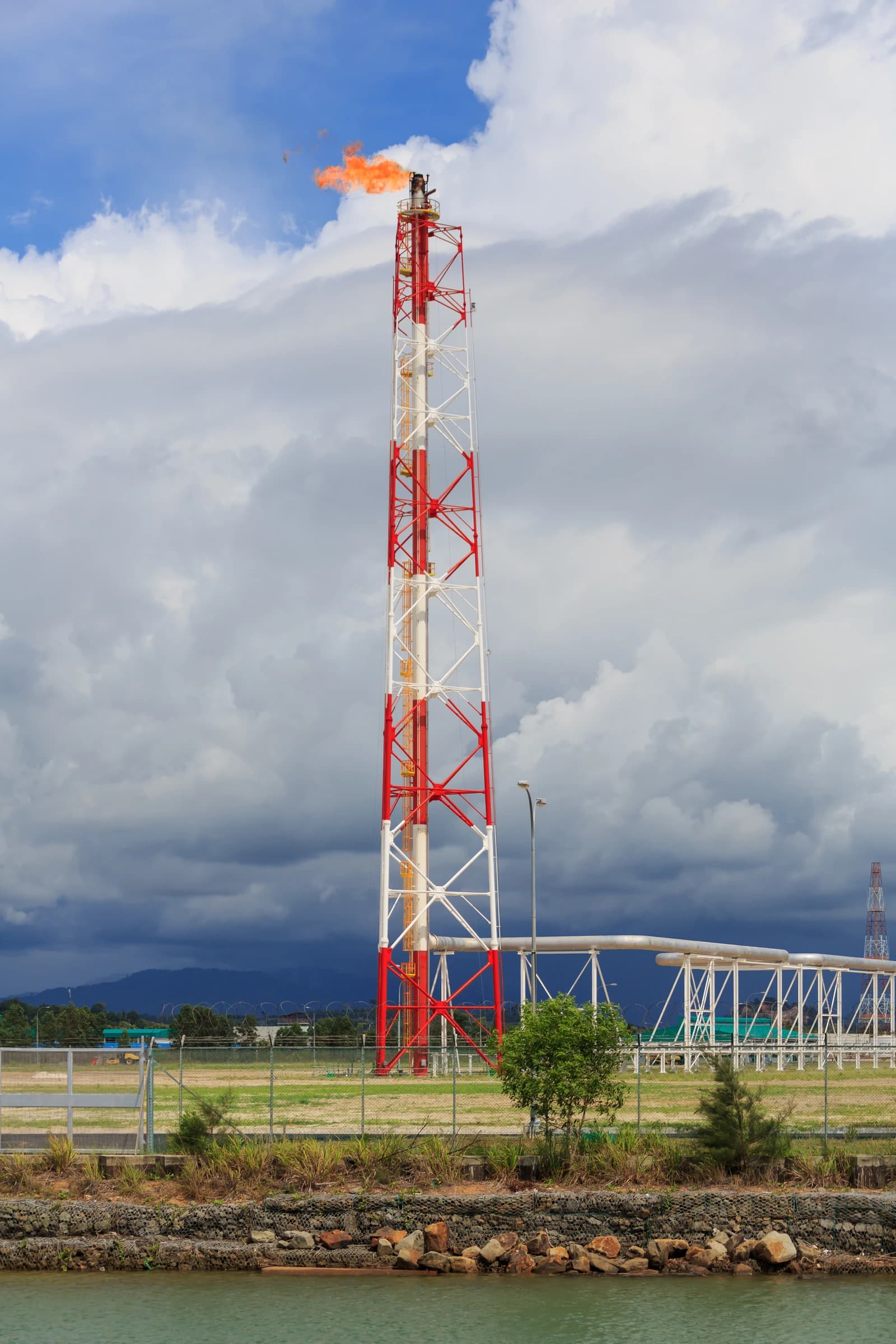
Tesla is reworking its clean-energy pitch around artificial intelligence and grid-scale power management, moving far beyond the home-solar vision that helped trigger a shareholder revolt over SolarCity a decade ago. The change matters because Tesla’s energy business is increasingly tied to AI infrastructure, battery storage and software rather than rooftop solar panels, reshaping both the company’s growth path and the competitive landscape for the solar sector.
Tesla Falls to $302.32 as AI Energy Pivot Deepens
Tesla’s latest filings show the company is prioritizing profitable growth, autonomous driving and AI compute infrastructure even as it keeps expanding its clean-energy operations. It said it is building out Cortex, its training clusters at Gigafactory Texas, and is investing in battery and AI compute technologies alongside its energy and transport businesses.
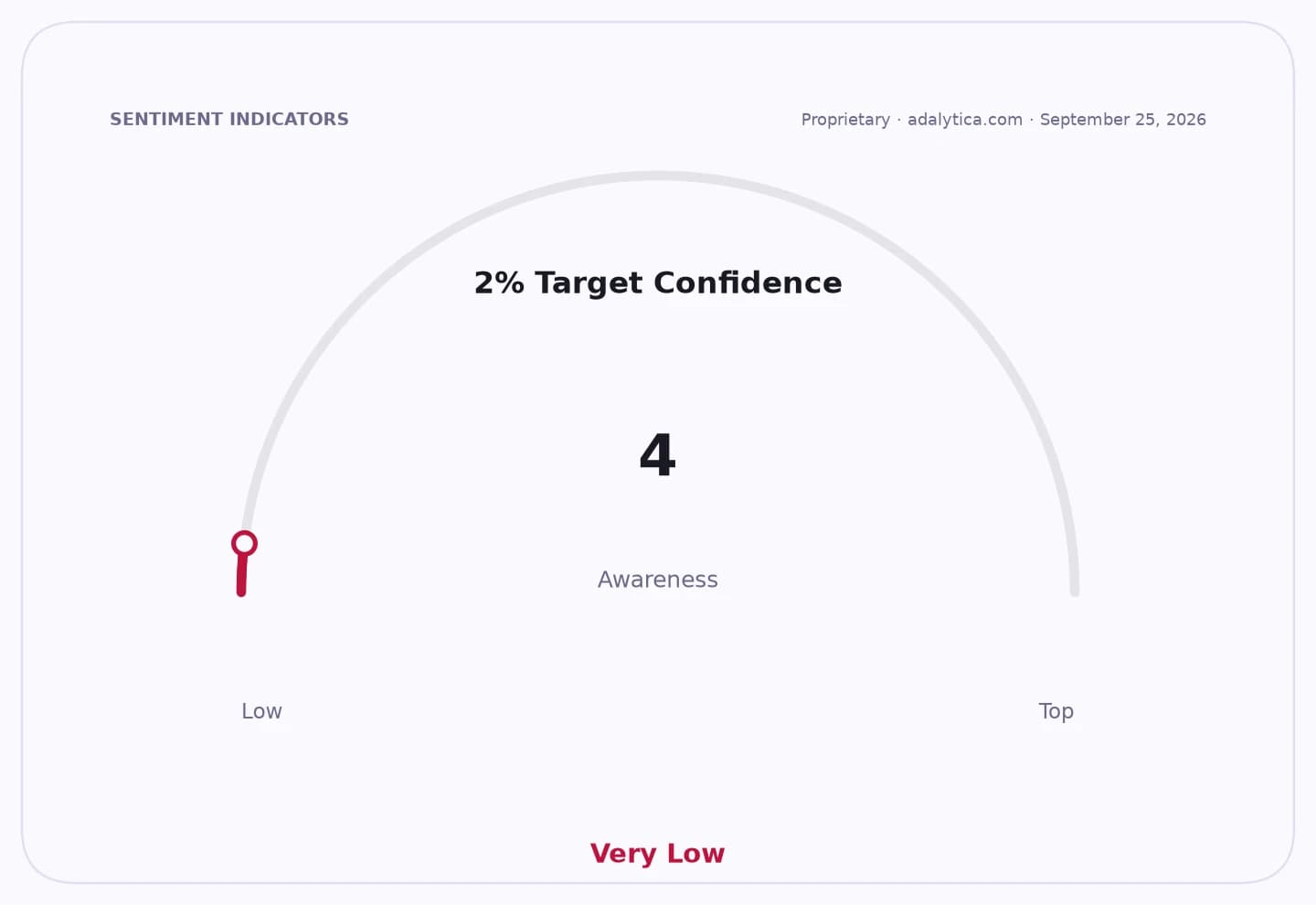
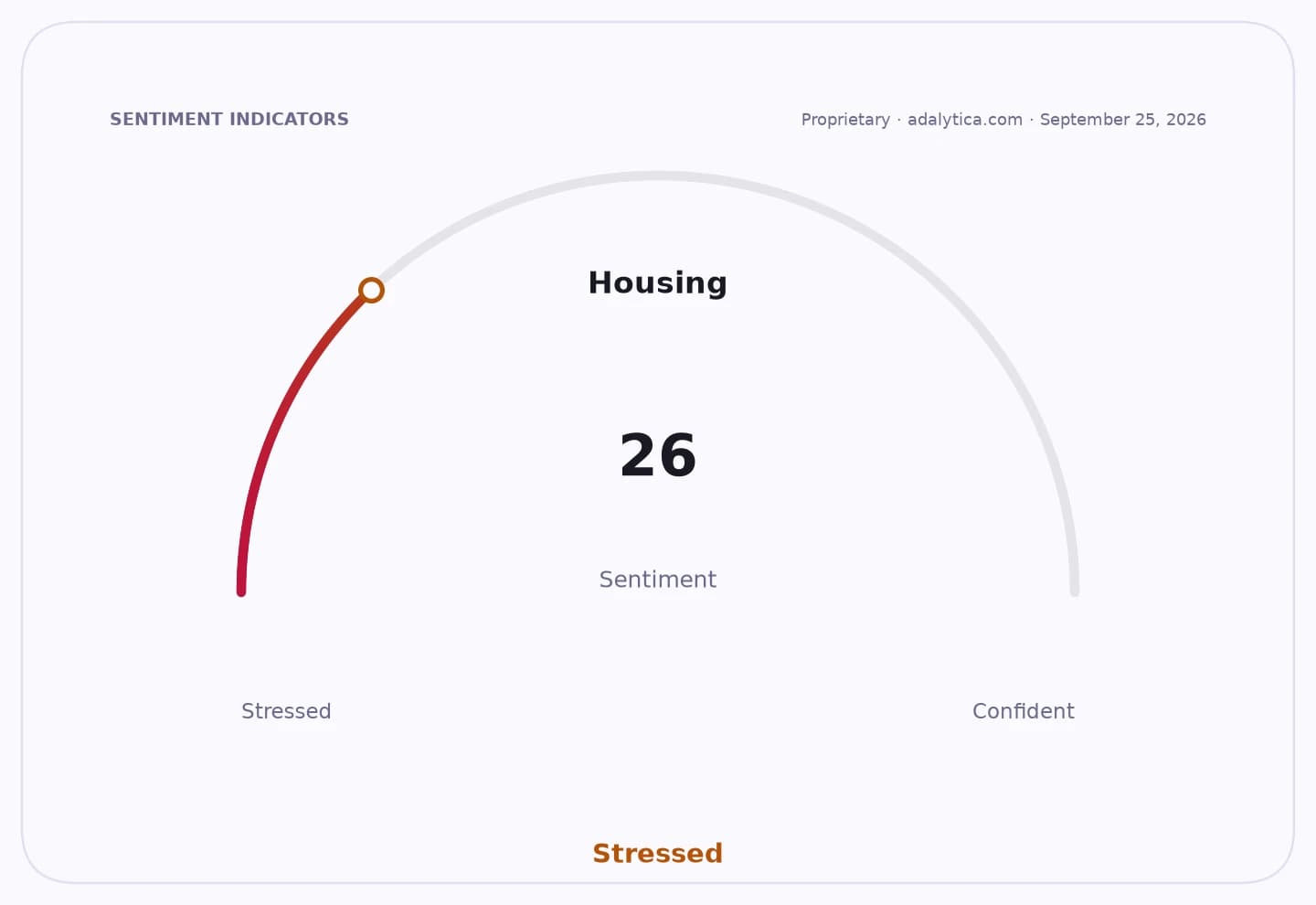
Sentiment IndicatorsⓘProprietary · adalytica.com · July 29, 2026
This is a snapshot — live sentiment, awareness and momentum for 130+ markets update continuously in the dashboard.Open AlphaPulse
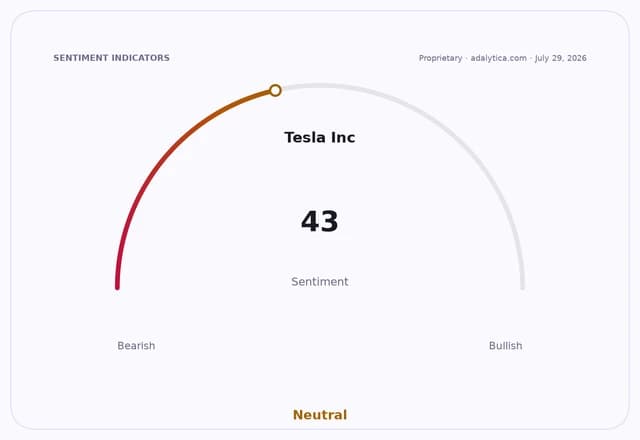
That strategic pivot comes with financial trade-offs. Tesla’s most recent earnings report showed profit pressure from heavier spending on AI and robotaxi development, underscoring the cost of Musk’s attempt to turn the automaker into a broader AI-and-energy platform. Investors are now being asked to value Tesla less like a carmaker with a solar side business and more like a capital-intensive technology and infrastructure company.
The market has already started to price in that shift. Tesla shares fell to $302.32 on July 29 from $419.77 on July 6, with the stock’s RSI sinking to 9.4 and its price sliding below both the 50-day moving average of $394.72 and the 200-day moving average of $412.77. The drop reflects growing unease around margins and execution as Tesla pours money into AI hardware, autonomous driving and energy systems.
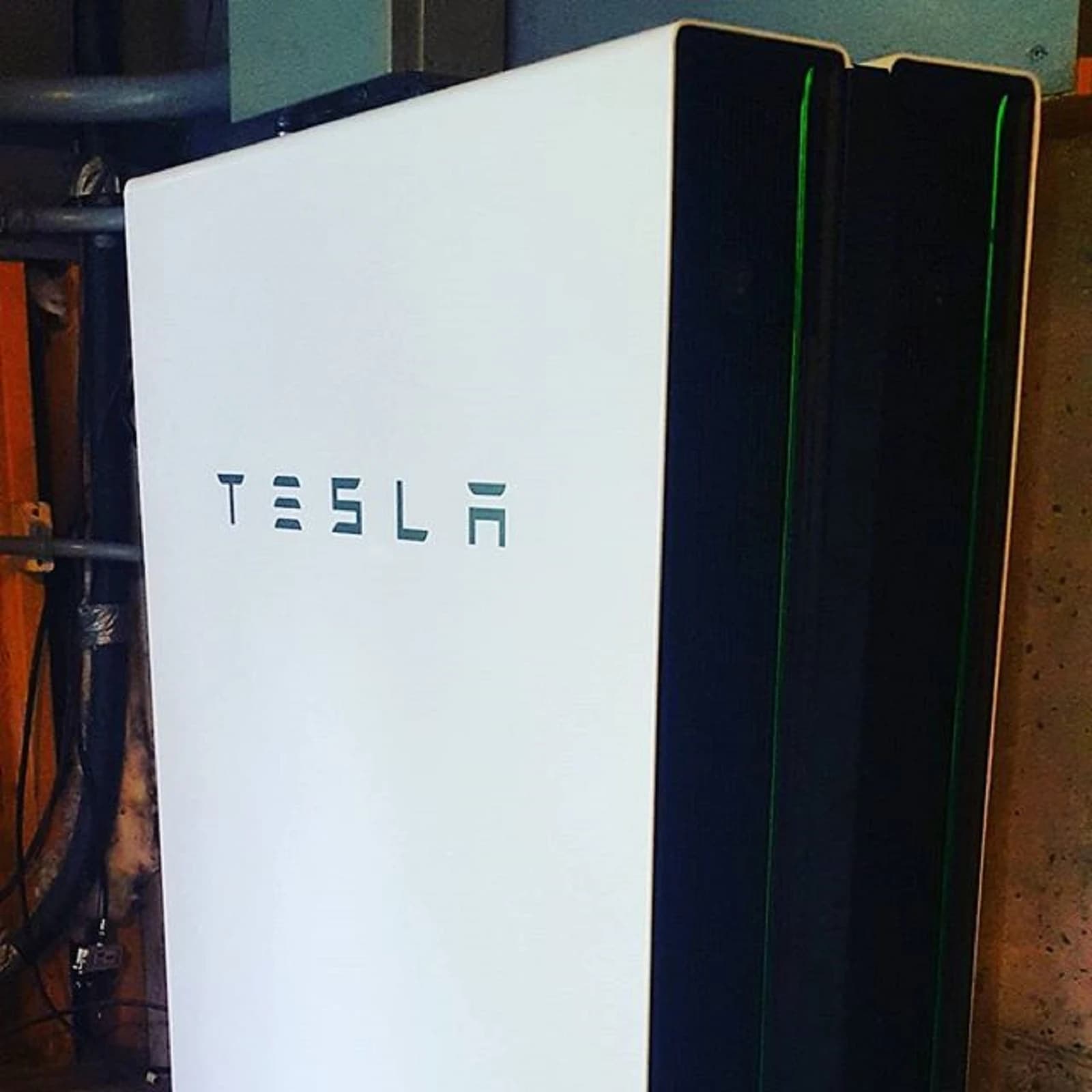
Tesla’s energy story is also moving up the stack. The company continues to flag Megapack deployments as a key business, and the emphasis now is on storage and energy management across homes, utilities and industrial customers rather than the standalone solar installation model that once defined SolarCity. That makes Tesla more directly exposed to utility-scale demand, grid balancing and the economics of AI-driven power consumption.
For the solar industry, that means a more complicated competitor. Residential names such as Enphase Energy and SolarEdge Technologies are still fighting for homeowners and installers, but their shares have also weakened, with Enphase closing at $36.13 on July 29 and SolarEdge at $39.68. Both remain well below recent highs, suggesting investors see a tougher demand environment even as Tesla increasingly frames energy as a software-and-storage business.
The broader backdrop is not especially forgiving. The 10-year Treasury yield was forecast at 4.688% for July 28 and the two-year at 4.352%, keeping financing costs elevated for energy projects and long-duration growth bets. Industrial production is still forecast to edge higher to 102.9436 in July, but the rate environment keeps pressure on capital-intensive businesses that need large upfront spending before revenue scales.
For Musk, the narrative has clearly changed since the SolarCity deal. What was once a bet on rooftop panels and household power bills is now a wager that AI chips, batteries and software can turn Tesla into a central player in energy management across sectors. Investors will be watching the next earnings update, AI5 production plans and Megapack deployment trends for evidence that the pivot can lift growth without deepening profit strain.
| Entity | Gains | Losses |
|---|---|---|
| Tesla | ▲AI-led energy platform | ▼Near-term margins |
| Samsung Electronics | ▲Foundry demand from AI chips | ▼None directly |
| Enphase Energy | ▲Residential storage relevance | ▼Tesla and rivals |
| SolarEdge Technologies | ▲Solar installer demand | ▼Tesla’s broader energy push |