Tesla is being priced like a world-changing AI leader, but its biggest problem is that it still is not spending enough to build one.
Tesla Faces AI Hype Versus Capital Spending Gap
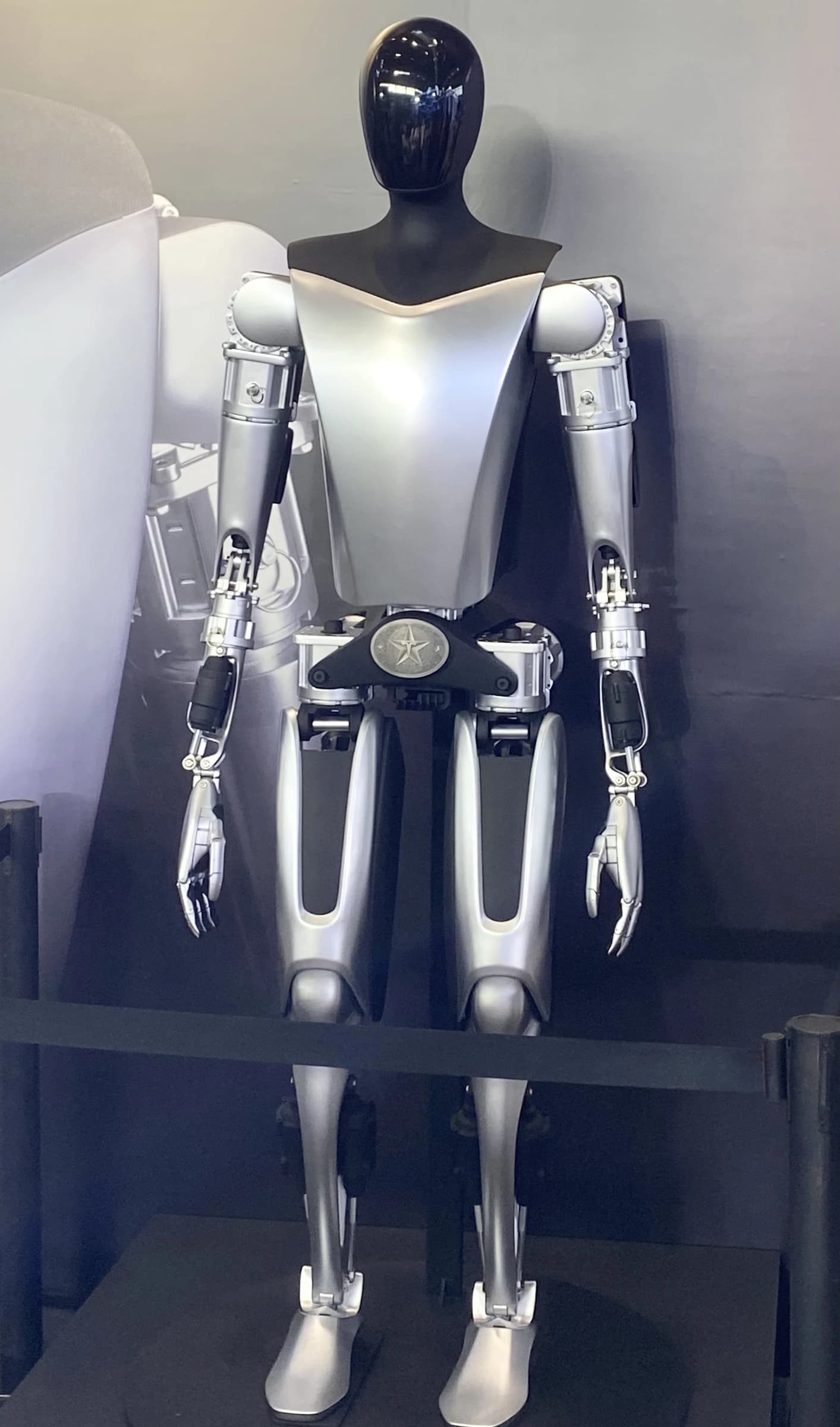
That mismatch matters because the market has spent years rewarding Tesla for promises about self-driving, robotics and artificial intelligence. Yet the evidence investors can verify today still looks more like a car company with optional AI ambitions than a capital-intensive platform company building an AI moat. In a world where Microsoft and Nvidia are pouring billions into compute, data centers and infrastructure, Tesla’s relative reluctance to spend aggressively on AI raises a simple question: how quickly can it turn the story into durable earnings?
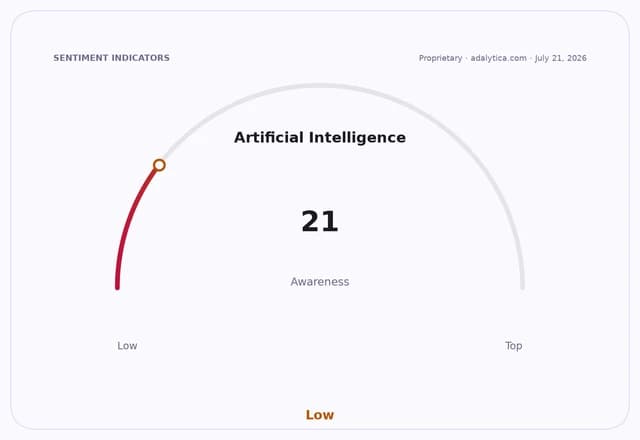
Sentiment IndicatorsⓘProprietary · adalytica.com · July 21, 2026
This is a snapshot — live sentiment, awareness and momentum for 130+ markets update continuously in the dashboard.Open AlphaPulse
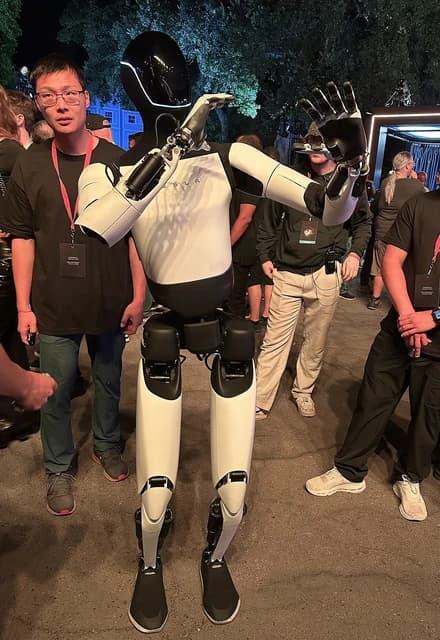
The economic significance is straightforward. AI leadership is not just about vision; it is about scale, infrastructure and sustained investment. Big tech is winning by committing enormous capital to the picks and shovels of the AI boom. Microsoft’s filings show rising costs tied to AI infrastructure for products such as Copilot, while Nvidia remains the clearest beneficiary of the industry’s appetite for chips and systems. Tesla, by contrast, has to prove it can fund the next phase of autonomy and robotics without overpromising and underinvesting. If it cannot, the company risks falling behind in the very category that supports its premium valuation.
That is what makes the contrast so important for long-term investors. Tesla does not have the same luxury as software giants that can spread AI spending across recurring enterprise revenue. It has to convert AI into tangible products — robotaxis, driver-assistance upgrades, factory automation and eventually humanoid robots — and those require heavy upfront spending before they generate meaningful cash flow. If Tesla stays disciplined to the point of stinginess, it may protect margins in the short run but weaken its competitive position over the long run. If it spends too aggressively without execution, it could pressure returns. Either way, investors should see the central issue as capital allocation, not hype.
Artificial Intelligence vs TSLAadalytica.com
Explore this data interactively — full history, time series and cross-market comparisons.Open AlphaPulse
The stock itself reflects that tension. Tesla’s shares have been volatile, and recent technical readings show a stock that has slipped well below its 50-day moving average, with momentum softening after earlier overbought conditions. That kind of action does not settle the debate, but it does suggest the market is becoming less willing to pay endlessly for future AI promises without evidence of matching investment and execution. Meanwhile, AI-heavy peers such as Nvidia continue to attract extreme enthusiasm, while the broader S&P 500 has shown more caution. Investors are still rewarding the AI winners that are visibly spending into the boom.
The deeper narrative is that Tesla may be caught between two business models. On one side is the mature auto business, where capital discipline matters and margins are cyclical. On the other is the AI platform story, where winners often spend aggressively for years before the payoff arrives. Tesla wants the valuation of the second model without fully embracing its capital intensity. That can work for a while when expectations are rising, but it becomes harder to sustain if competitors keep building faster and if the company fails to show concrete progress in autonomy and robotics.
For investors, the takeaway is not to dismiss Tesla’s AI ambitions. It is to treat them as a long-duration thesis that still depends on execution, not branding. If Tesla can prove that more spending leads to better autonomy, stronger software monetization and a real robotaxi or robotics opportunity, the upside could be enormous. If not, the market may eventually decide that the company’s AI story was valuable mainly as a narrative, not as a business.
Long-term investors should keep Tesla on the watchlist, but they should judge it by capital deployment and results, not promises. The next phase will tell us whether Tesla becomes an AI powerhouse — or remains a carmaker with an expensive dream.
| Entity | Gains | Losses |
|---|---|---|
| Tesla bulls | ▲Optionality on AI upside | ▼Near-term patience |
| Tesla skeptics | ▲More evidence-based valuation | ▼Missed upside if autonomy works |
| Nvidia | ▲More AI infrastructure demand | ▼Little direct downside |
| Microsoft | ▲AI spending ecosystem growth | ▼Capital intensity and margin pressure |