Tesla’s biggest near-term autonomy question is not whether its software can move a car without a driver, but whether it can reliably handle the everyday traffic behavior that frustrates owners and makes the system feel unfinished. Elon Musk’s response to a user complaining that Tesla’s self-driving software gets stuck behind slower traffic — saying the car will start “remembering your …” — suggests Tesla is trying to push the product from generic lane-keeping into behavior that adapts to driver habits and local conditions, a step that matters for both adoption and monetization.
Tesla Autonomy Update Faces Trust Test
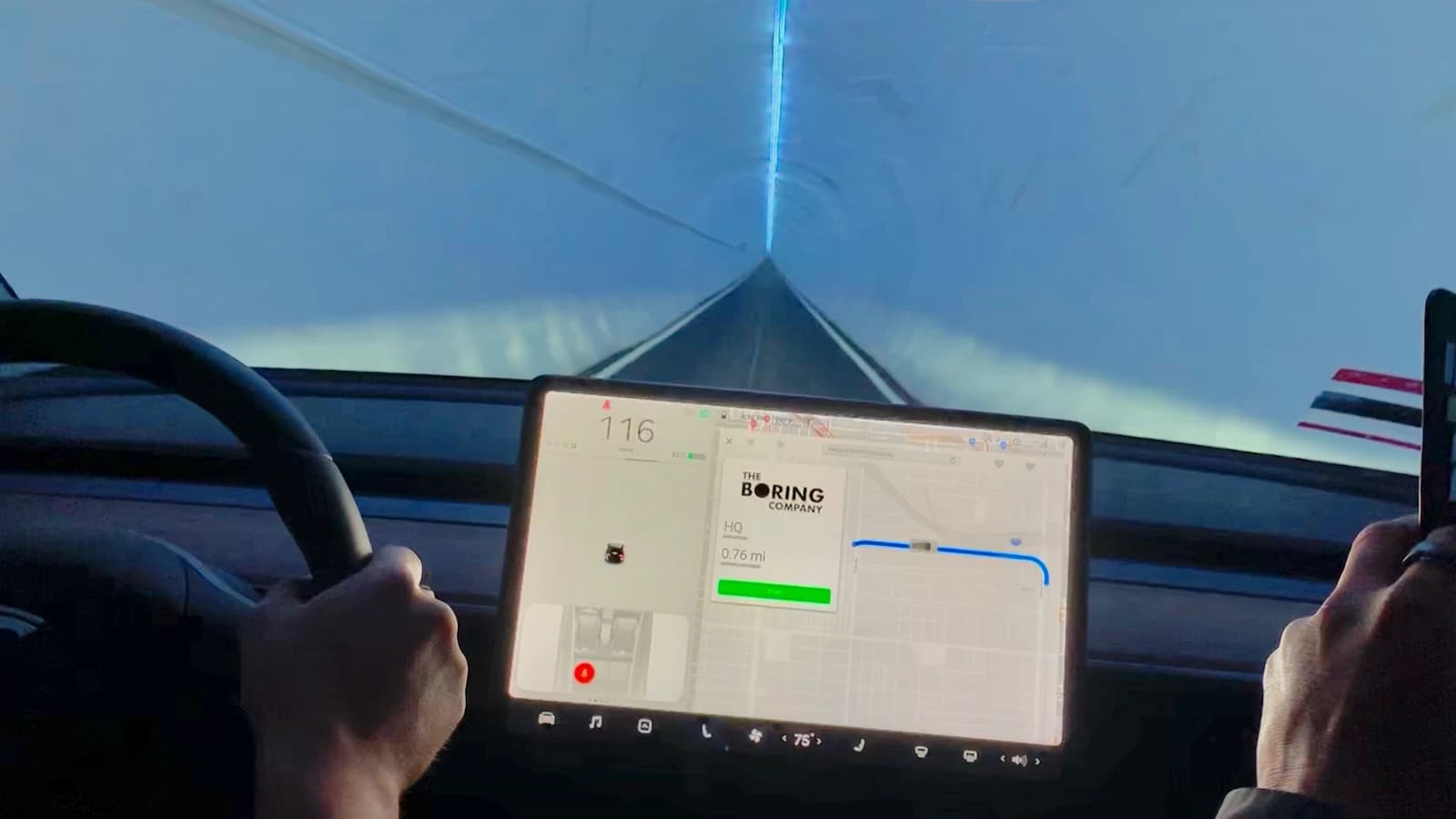
That distinction is economically important because autonomy remains central to Tesla’s valuation narrative. Investors are no longer pricing the company as only an EV maker; they are buying into the possibility that software, robotaxis and driver-assistance subscriptions become larger profit pools than car sales. But that case depends on trust. If the system is seen as too timid in traffic, too inconsistent in everyday use or too slow to learn user preferences, consumers may view it as a premium feature rather than a reason to pay more or stay loyal to the brand.
Sentiment IndicatorsⓘProprietary · adalytica.com · July 19, 2026
This is a snapshot — live sentiment, awareness and momentum for 130+ markets update continuously in the dashboard.Open AlphaPulse
The market is still giving Tesla a wide berth on that vision. The stock closed at $380.84 on July 17, below its 50-day moving average of $409.80 and its 200-day average of $417.05, a sign that momentum has weakened even after a sharp run earlier in the year. The recent move in technical indicators has also turned less supportive: RSI readings have eased toward neutral after prior overbought levels, and MACD remains below the stronger levels seen during earlier rallies. At the same time, Adalytica’s Tesla Earnings Sentiment snapshot is flashing “Extreme Greed” at 89, which points to elevated expectations and little room for disappointment.
That combination matters for investors because it creates a high bar for any autonomy update. A product tweak that helps the car learn a driver’s preferred pace in traffic could be read as incremental, but in Tesla’s case incremental changes feed the broader thesis that the company is building a data-driven driving system, not just selling hardware. If that learning improves comfort and reduces friction, it could support higher take-up of Full Self-Driving software, strengthen retention and keep Tesla ahead of rivals trying to market their own advanced driver-assistance systems.
Tesla Inc — 30-day sentimentadalytica.com
Explore this data interactively — full history, time series and cross-market comparisons.Open AlphaPulse
The bull case is straightforward: a self-driving system that adapts to local traffic patterns and driver preferences becomes more useful with every mile, improving the product experience and deepening Tesla’s data advantage. The bear case is that Tesla continues to promise autonomy improvements that are hard to verify, while competition from automakers and Chinese EV makers keeps pressuring the core vehicle business and leaves investors waiting for a payoff that remains elusive.
For now, Musk’s comment is less about one annoyed user than about the larger challenge facing Tesla: turning autonomy into a dependable, everyday product rather than a headline-grabbing promise. The next catalyst will be whether Tesla can show measurable improvements in real-world driving behavior, because that is what will determine whether the autonomy story supports the stock’s premium or starts to lose credibility.
| Entity | Gains | Losses |
|---|---|---|
| Tesla bulls | ▲Autonomy optionality | ▼Near-term patience |
| Tesla buyers | ▲More adaptive driving | ▼More software uncertainty |
| Rival EV makers | ▲— | ▼Tesla differentiation |
| Short sellers | ▲— | ▼A successful autonomy upgrade |
