Elon Musk has crossed the $1 trillion threshold again as gains in Tesla and SpaceX pushed his fortune to about $1.36 trillion, underscoring how tightly his wealth is now tied to investor appetite for AI, robotics and private-market valuations.
Tesla and SpaceX Lift Musk Back Above $1 Trillion
The jump matters because it is not just a billionaire vanity milestone. It reflects a fresh bid for Musk’s companies as investors look past the slower growth in electric-vehicle sales and toward higher-margin bets in autonomous driving, humanoid robots, satellites and AI infrastructure.
Sentiment IndicatorsⓘProprietary · adalytica.com · October 7, 2026
This is a snapshot — live sentiment, awareness and momentum for 130+ markets update continuously in the dashboard.Open AlphaPulse
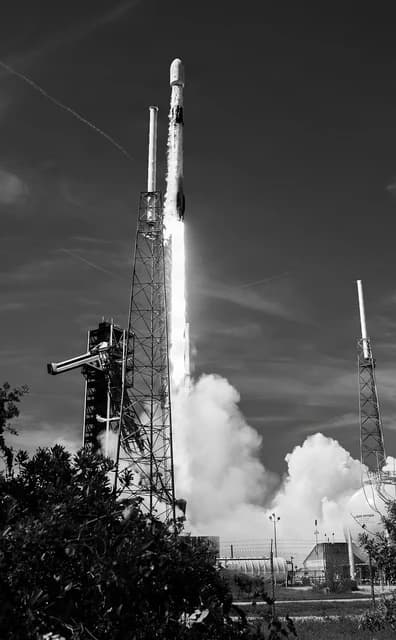
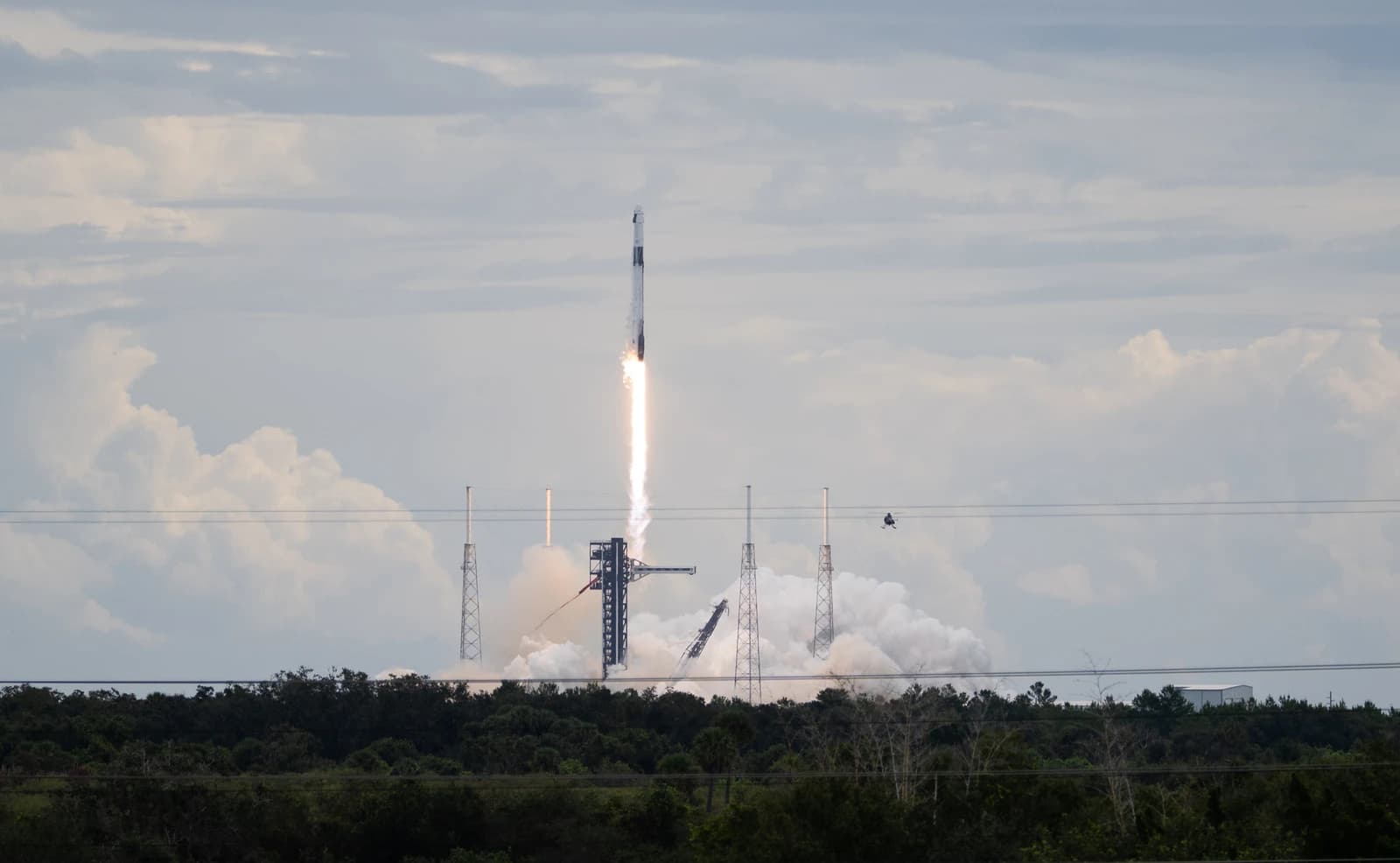
SpaceX is doing much of the heavy lifting. The company’s share price has climbed 13% since the start of October to more than $170, about 26% above the $135 level at which shares were issued on Nasdaq in June, after briefly sinking below $105. Bloomberg’s billionaire index now pegs Musk’s stake in SpaceX and Tesla at roughly $1.36 trillion combined.
Tesla has also recovered from a sharp July selloff after missing analyst expectations and falling more than 20%. The stock firmed after the company said third-quarter deliveries beat Wall Street forecasts, helped by a temporary U.S. EV tax credit that pulled forward some demand. Even so, Tesla’s 486,532 vehicles delivered globally in the quarter were only 2% below the prior year once the effect of the credits is stripped out.
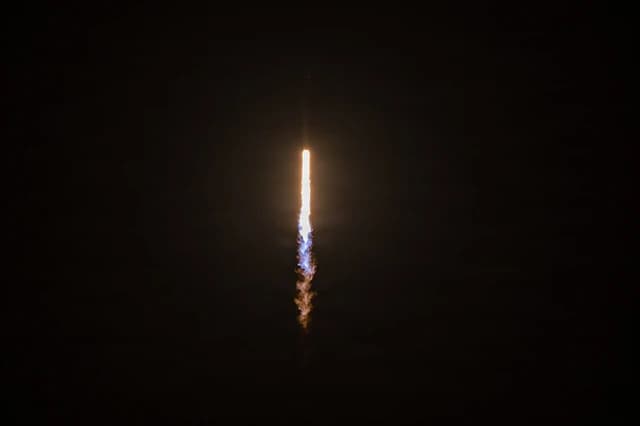
Investors are increasingly valuing Tesla less as a carmaker and more as a platform for AI-linked hardware. Musk has steered the story toward autonomous taxis, humanoid robots and chips, with Tesla planning to spend $25 billion this year on production for its Cybercab robotaxis and helping build a Texas semiconductor plant, dubbed Terafab, that is intended to supply chips for his AI projects.
SpaceX is following a similar script. Beyond rockets and Starlink, Musk has folded xAI into SpaceX and is positioning the business across the AI stack, from software to compute to infrastructure. SpaceX’s Colossus 1 supercomputer is reportedly fully rented through 2029 to Anthropic, generating monthly revenue of $1.25 billion, while Musk has also floated the idea of AI data centers in space.
That narrative has kept Wall Street engaged. Morgan Stanley analyst Adam Jones reiterated a buy rating on SpaceX on Monday and left his price target at $300, implying about 75% upside from current levels. The broader market backdrop has also been supportive, with the S&P 500 and risk sentiment near overheated levels by conventional technical measures, while Tesla shares remain well above their 50-day moving average and just below recent highs.
For investors, the key question is whether the rally can be sustained by actual cash flow and execution rather than Musk’s growing ability to sell a futuristic vision. The next catalyst is likely to be further Tesla delivery data, more disclosure on robotaxi spending and any additional pricing or fundraising moves tied to SpaceX and xAI.
| Entity | Gains | Losses |
|---|---|---|
| Elon Musk | ▲Trillionaire status returns | ▼Wealth tied to volatile equity prices |
| Tesla and SpaceX shareholders | ▲Higher valuations | ▼Execution risk on AI bets |
| Bulls on AI/autonomy | ▲Stronger investment case | ▼More crowded, richer valuations |
| EV skeptics and shorts | ▲— | ▼Price rebound and sentiment squeeze |