The Thai baht opened stronger at 32.89 per dollar on Friday, its first clear lift from the previous session, as growing market confidence that the Federal Reserve will hold rates this month pushed the greenback lower across major currencies.
Thai baht rises to 32.89 as dollar weakens

That matters because the baht is trading less on domestic fundamentals in the near term than on the direction of U.S. monetary policy. When traders expect the Fed to pause, U.S. yields and the dollar typically ease, giving Asian currencies room to firm. The move also comes with investors positioning ahead of the U.S. nonfarm payrolls report, which could still reset rate expectations if it surprises to the upside.
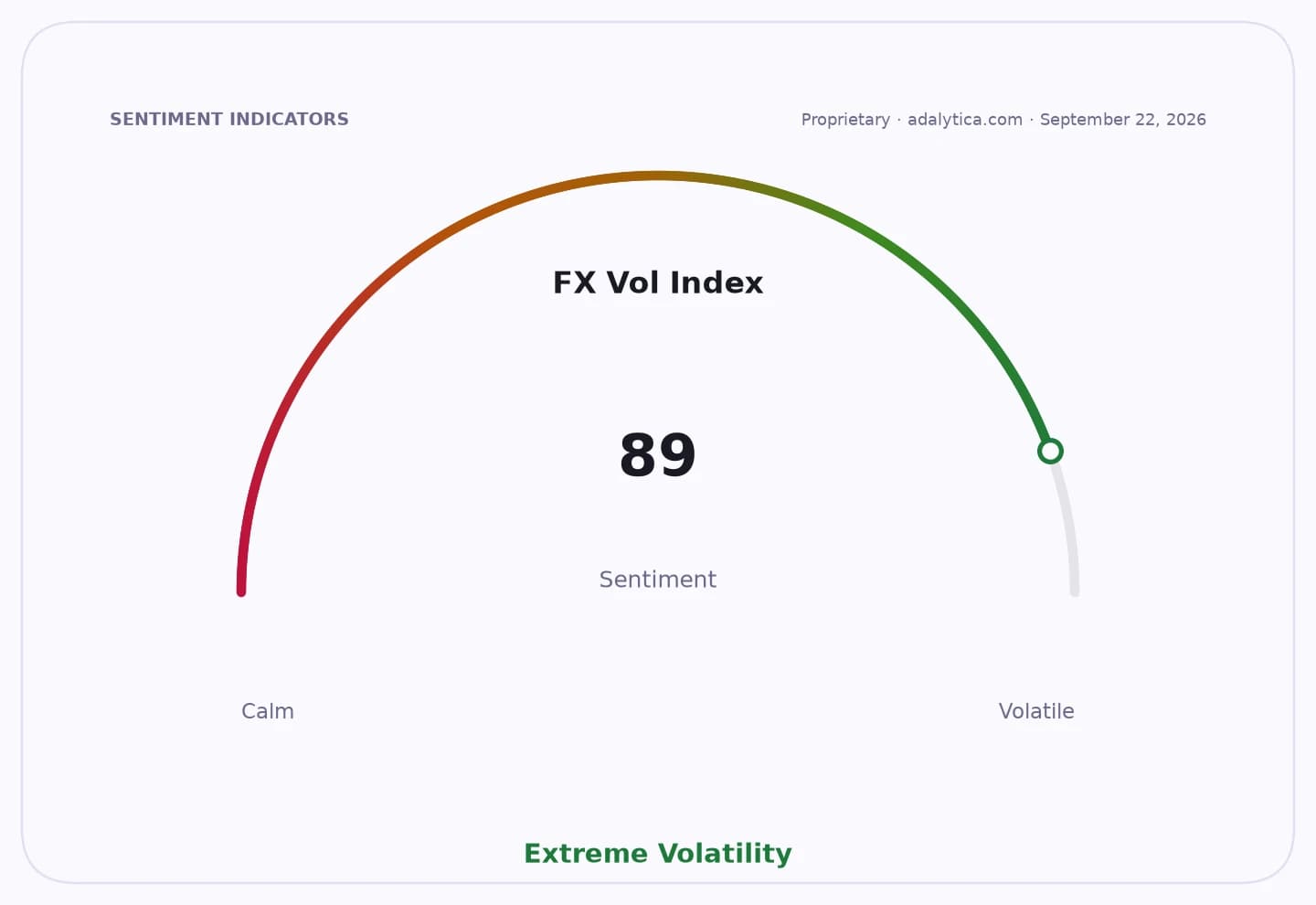
Sentiment IndicatorsⓘProprietary · adalytica.com · September 4, 2026
This is a snapshot — live sentiment, awareness and momentum for 130+ markets update continuously in the dashboard.Open AlphaPulse
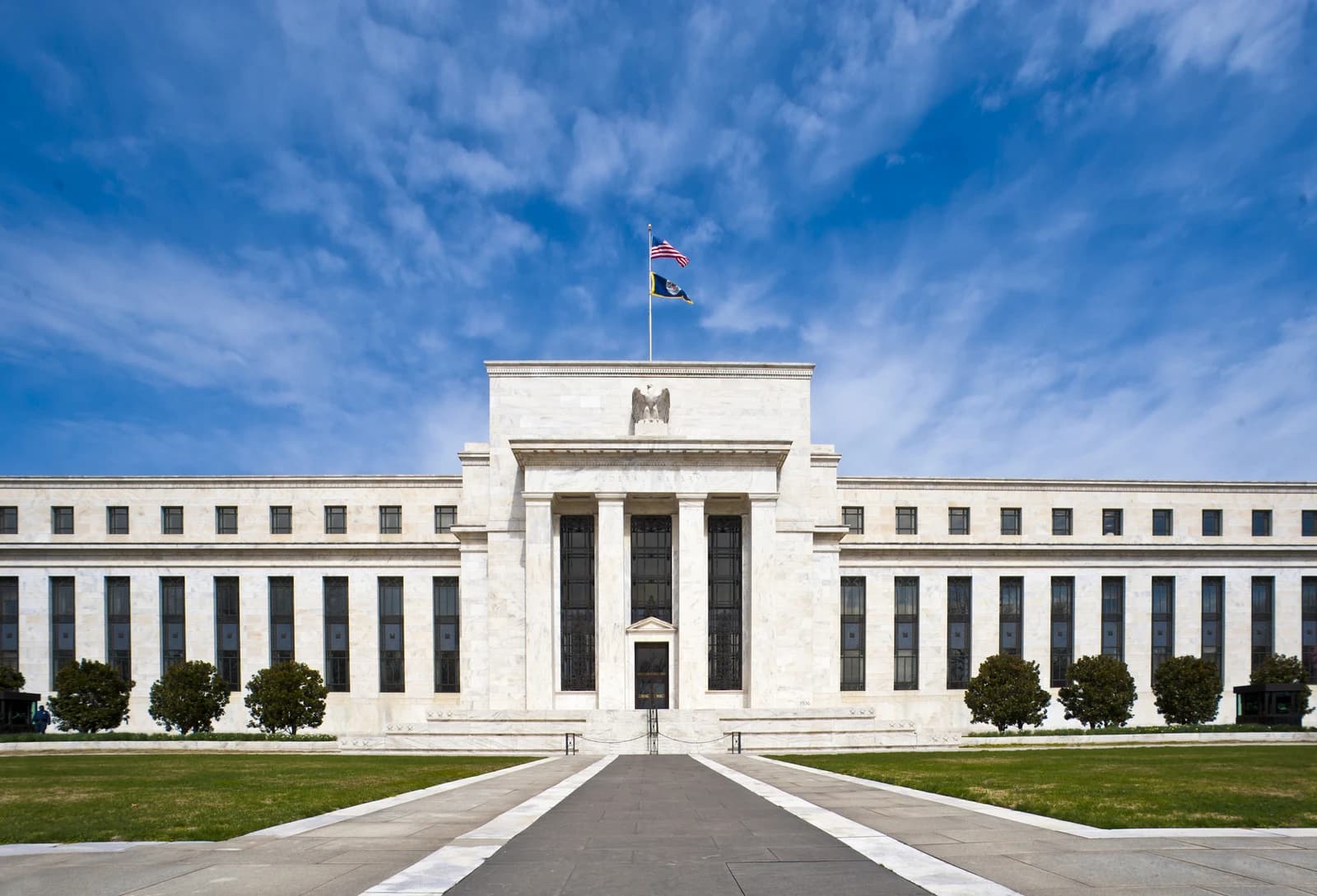
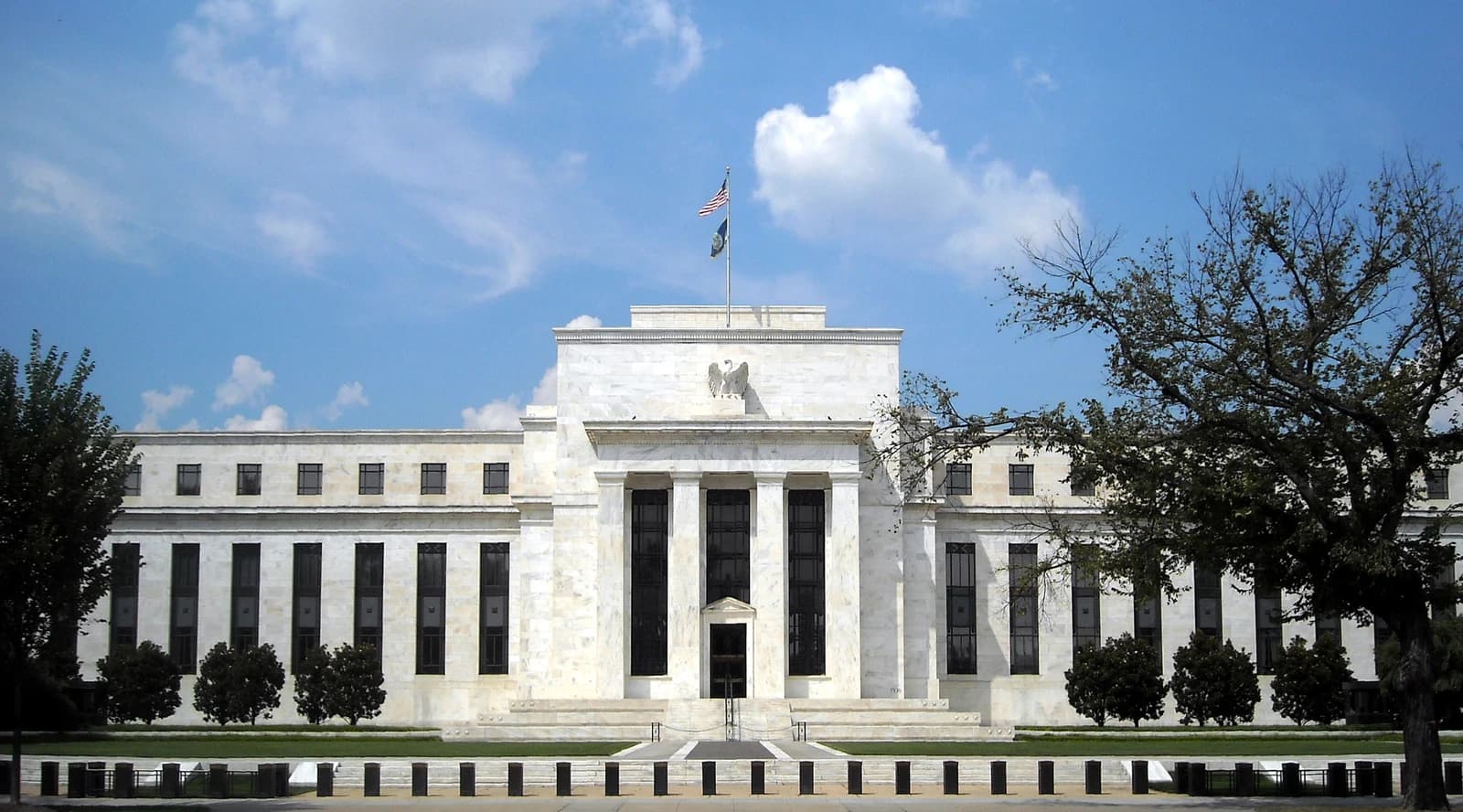
The immediate catalyst was a remark from Fed governor Christopher Waller, who said he would back keeping rates unchanged this month if incoming inflation data shows price pressures are cooling. That helped drive the dollar down against the yen, euro and other majors, with the dollar index weakening and gold climbing more than 2% overnight as rate-cut and pause bets improved sentiment across risk assets.
For Thailand, the currency move is a useful tailwind but not yet a regime change. The baht had closed at 32.99 on Thursday and is now being watched in a 32.80-33.00 range, according to local dealers. It is still close enough to recent levels that exporters should not assume a durable depreciation cushion, while importers and fuel-sensitive businesses remain exposed if the dollar resumes climbing after U.S. labor data.
The broader investment implication is that the baht is becoming a cleaner proxy for the Fed story again. If U.S. inflation keeps cooling and payrolls soften, the dollar could extend its retreat, supporting Asian currencies and easing imported-cost pressure in Thailand. If jobs data comes in stronger than expected, that relief could fade quickly, and the baht would likely hand back some of today’s gains.
For investors, that means the setup favors selective exposure to beneficiaries of a firmer baht and weaker dollar, while keeping hedges in place around exporters and commodity-linked costs. The market’s next inflection point is the U.S. employment report, and that will decide whether this is just a one-day currency repricing or the start of a broader dollar unwind.
| Entity | Gains | Losses |
|---|---|---|
| Thai baht | ▲Near-term support | ▼Exporters' currency cushion |
| U.S. dollar | ▲Lower Fed-hike odds | ▼Safe-haven demand |
| Thai importers | ▲Cheaper imports | ▼ |
| Thai exporters | ▲ | ▼Less favorable FX tailwind |