Thailand’s hotels and hospitality groups are leaning harder into year-end gift sales, packaging hotpot meals and inn accommodation tickets for home use as they try to turn the festive season into a more reliable source of cash flow.
Thai hotels sell vouchers and meal sets for holidays
The strategy matters because it shifts some revenue forward and widens the customer base beyond overnight guests. For a sector still dependent on discretionary spending and seasonal travel, selling vouchers, meal sets and redeemable stays helps operators capture demand even when consumers are cautious about booking trips outright. It also gives hotels a way to monetize rooms and restaurants before the peak holiday window, while reducing the risk of empty inventory.
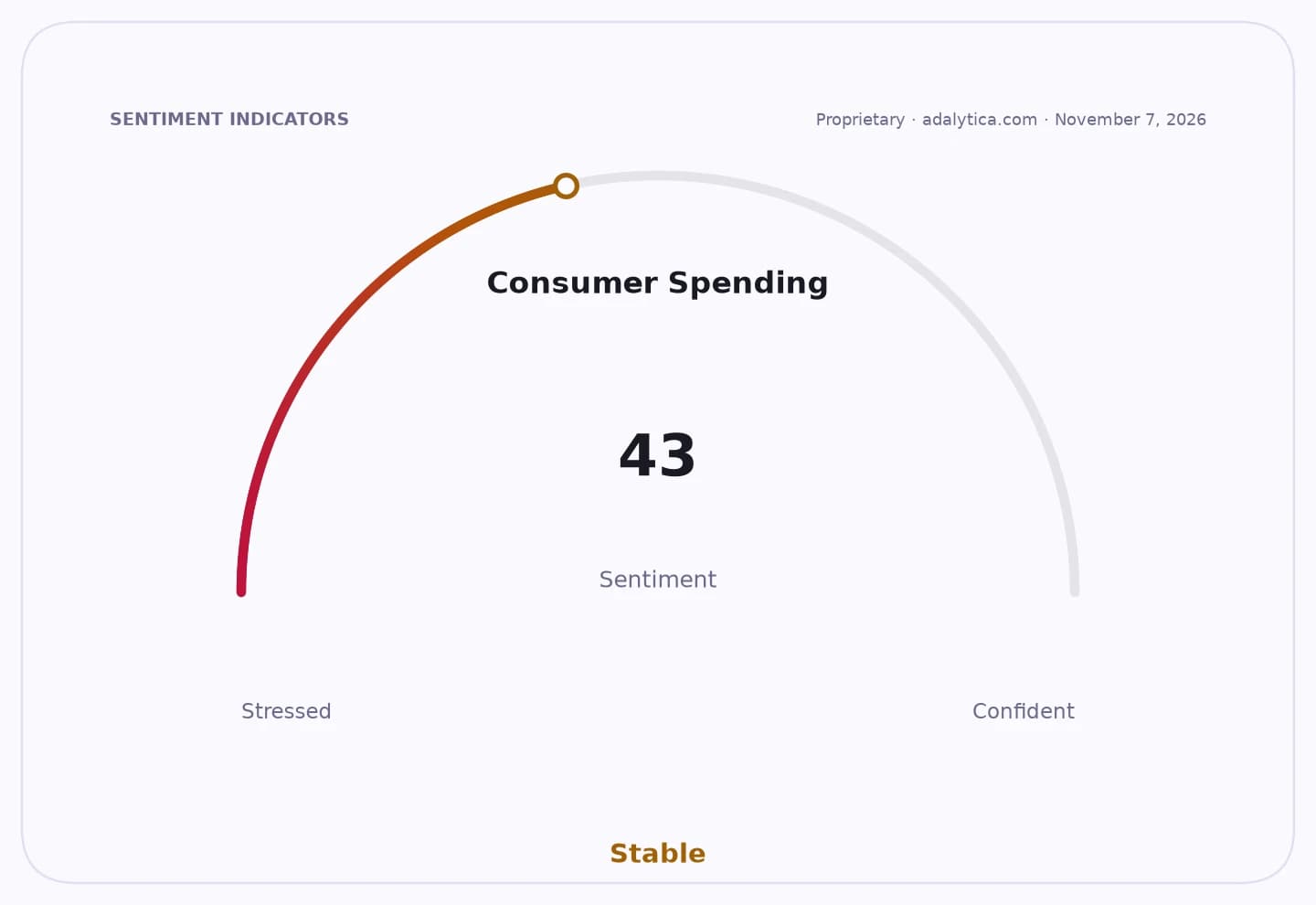
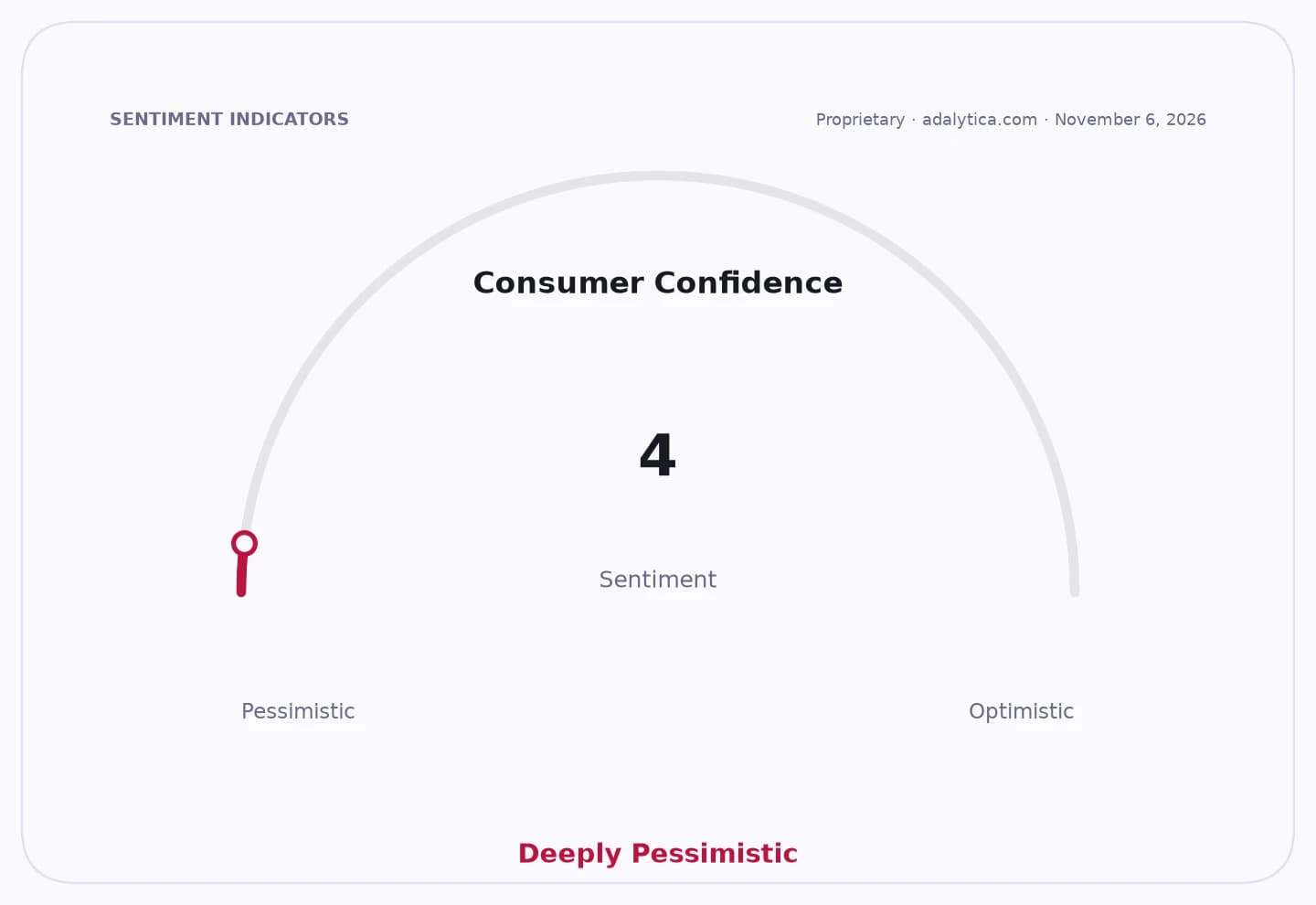
The broader retail backdrop points to the same consumer behavior: shoppers want value, convenience and flexibility. In the context supplied, gift buyers are gravitating toward discounted sets and practical presents rather than high-ticket purchases. That favors hotel vouchers and home-use meal bundles, which can be marketed as both gifts and experiences. For hospitality operators, these products can improve utilization of kitchens, front desks and loyalty channels without requiring a full rebound in tourism demand.
Investors should see the trend as a sign that Thai hospitality is still working to diversify revenue rather than rely solely on guest arrivals. Voucher sales can lift near-term receipts, but they also create deferred liabilities and can pressure margins if redemption rates are high or if discounts are deep. The winners are operators with strong brands, broad distribution and the ability to convert seasonal demand into repeat visitation; the losers are weaker players that must discount more aggressively to compete.
The key question is whether year-end gift sales become a durable revenue stream or simply a holiday-season stopgap. If consumer demand holds, the format could give Thai hotels a useful buffer into 2027. If not, it will mostly be a tactical tool for preserving occupancy and cash generation in a still-uneven leisure market.
| Entity | Gains | Losses |
|---|---|---|
| Thai hotel operators | ▲Early cash flow | ▼Deferred redemption risk |
| Consumers | ▲Discounted gifts | ▼Less flexibility if terms tighten |
| Rival retailers | ▲More traffic for value offers | ▼Share of holiday spending |
| Smaller hospitality chains | ▲Limited benefit | ▼Heavier discounting pressure |