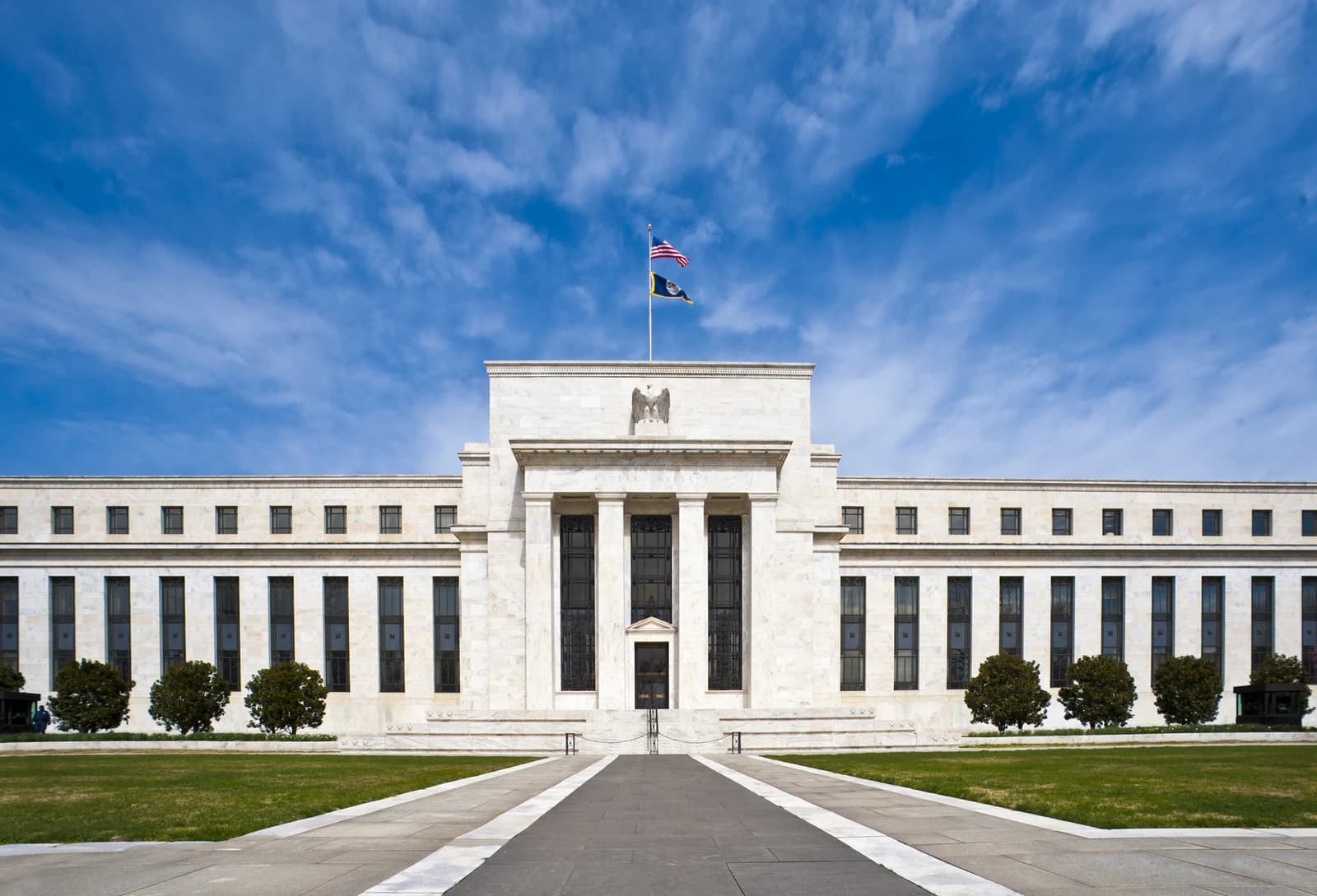
Thailand's central bank is keeping the minimum repayment on credit card debt at 8% of outstanding balances through the end of 2028, three years longer than previously planned, as policymakers try to avoid squeezing borrowers whose incomes are still only gradually recovering.
Thailand extends credit card minimum payments to 2028
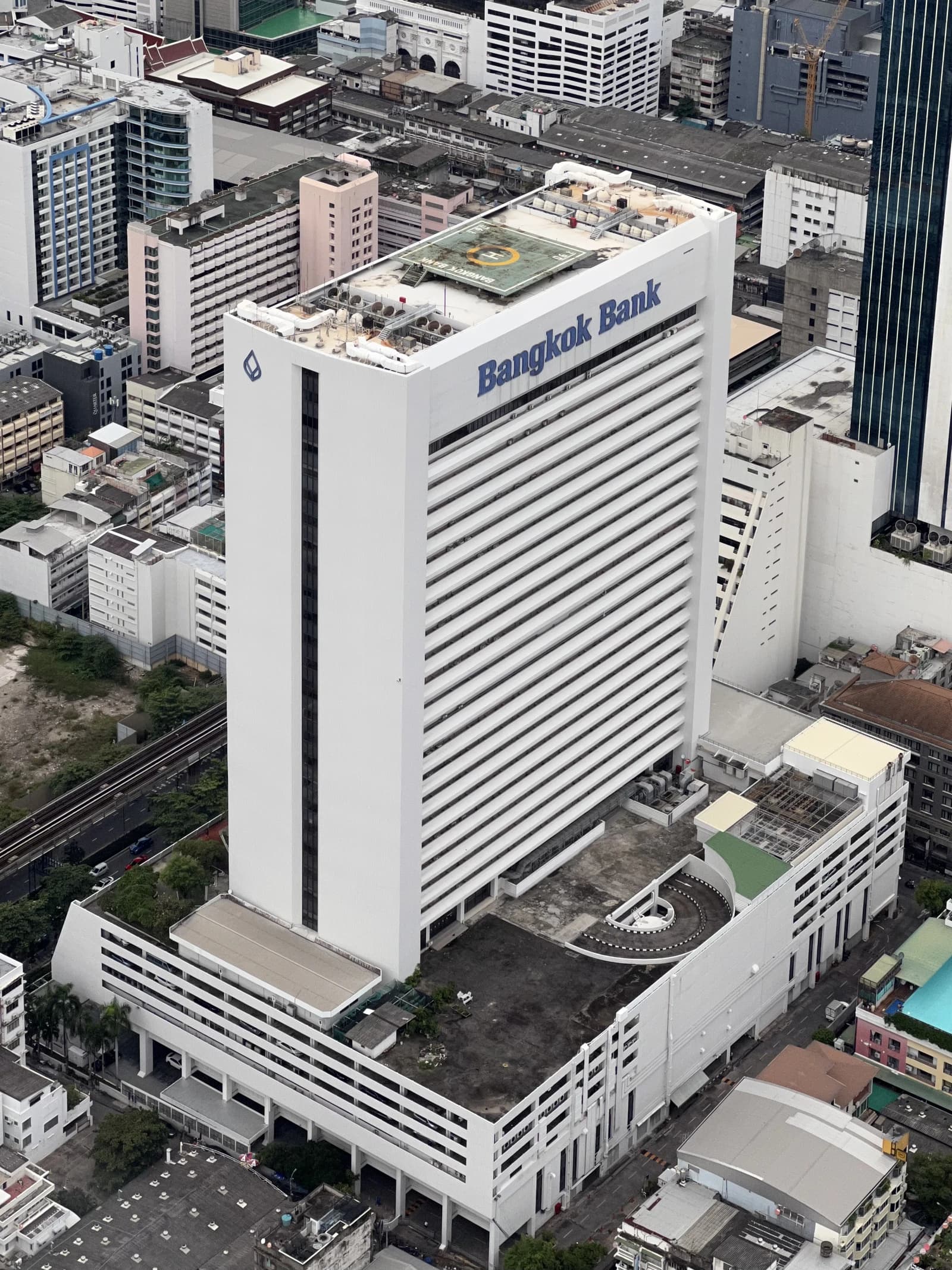
The Bank of Thailand said a return to the 10% minimum next year could hurt liquidity and repayment capacity for some cardholders, even as the broader economy and household income show signs of improvement. The extension pushes back the normalisation timetable from end-2026 to end-2028 and underscores how fragile consumer balance sheets remain after a prolonged period of high debt stress.
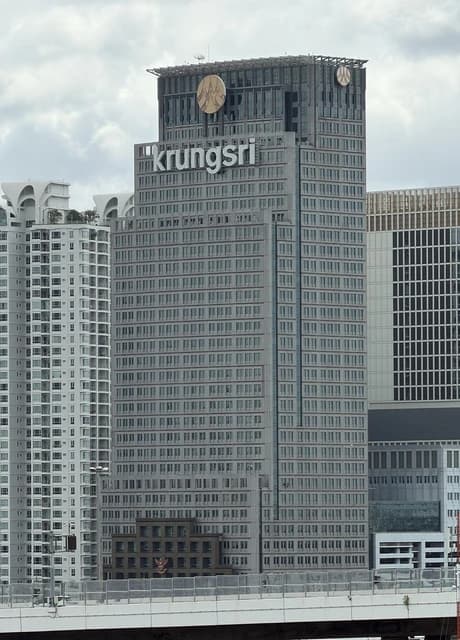
For households, the move lowers the monthly cash burden and gives borrowers more breathing room to stay current. For lenders, it means slower paydown of revolving balances and potentially more interest income over time, but also a lower near-term risk of delinquency spikes if borrowers are forced to meet a steeper minimum.
The policy also lands amid a broader regional debate over consumer credit costs. Thailand is simultaneously facing pressure to rein in household debt while balancing financial stability, a tension that has become more visible as policymakers elsewhere weigh caps on credit-card rates and other relief measures.

Investors will read the extension as supportive for consumer spending and credit quality in the near term, particularly for banks and card issuers with exposure to Thai retail borrowers. The key question now is whether the gradual recovery in incomes is strong enough to justify a higher minimum payment later in the decade, or whether the central bank is being forced into another extension.
| Entity | Gains | Losses |
|---|---|---|
| Thai credit-card borrowers | ▲Lower monthly minimums | ▼Slower debt reduction |
| Thai banks and card issuers | ▲Fewer near-term delinquencies | ▼Slower principal paydown |
| Consumer spending | ▲Better household liquidity | ▼Less forced deleveraging |
| Bank of Thailand | ▲Financial stability buffer | ▼Delayed normalization |