BIDV’s warning that 35% of its outstanding home loans have already rolled into floating rates matters because it shows Vietnam’s biggest lenders are moving from growth to damage control just as borrowers face higher debt-service costs and the property market remains thin.
BIDV says 35% of home loans have floated
That shift is economically important for two reasons. First, it raises borrowing costs for households at a time when demand for home loans has not recovered meaningfully. BIDV said about 62,000 billion dong of home-loan balances will be repriced over the next 12 months, with rates expected to reset by 2 to 3 percentage points. For a bank with roughly 341,000 billion dong in home lending at the end of the third quarter of 2026, that is enough to lift yield, but it also risks pushing more borrowers into stress and swelling delinquencies.
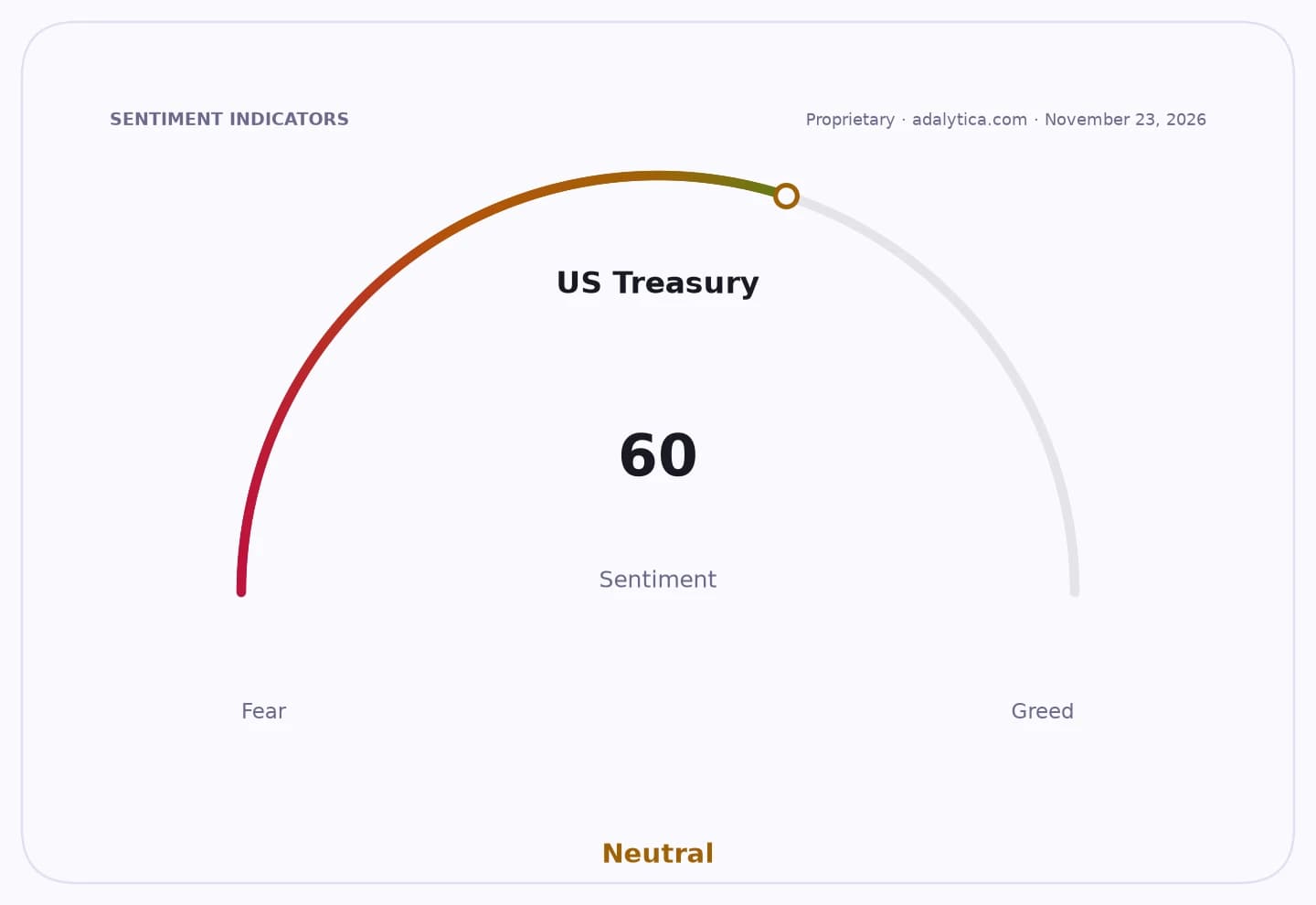
Sentiment Indicators
Second, the increase in bad debt in the mortgage book suggests the pain from earlier promotional lending is finally showing up in asset quality. BIDV said preferential-rate programs from 2023 to 2025 are expiring, and that is already feeding higher non-performing loans in home financing. In a market where real-estate liquidity is still weak, that is a clear warning that the housing recovery is fragile and still dependent on easier rates, better cash flows and stronger transaction volumes.
For investors, the read-through is broader than one bank. BIDV’s comments imply Vietnamese lenders are reaching the end of the easy-cycle phase on mortgages: spreads can improve as fixed-rate loans roll off, but credit risk rises at the same time. That is the classic late-cycle banking trade-off, and it should keep a lid on enthusiasm for consumer lending and property-linked credit until borrowers absorb the new reset.
The bank’s exposure is also sizable enough to matter for the sector. Real-estate-related credit makes up about 24.1% of BIDV’s loan book, near its internal ceiling, while loans to property developers are estimated at about 24,000 billion dong. Management said it will keep favoring projects with clear cash flow and strong sales, which tells investors the bank is not chasing volume. That is prudent, but it also means credit growth may remain more selective than peers expect.
The bigger narrative is that Vietnam’s housing market is still living with the aftereffects of the rate shock. BIDV is signaling that the next phase will not be a simple rebound in mortgage demand, but a slower adjustment in which higher floating rates, weaker affordability and tighter underwriting coexist with only gradual support from infrastructure spending and eventual policy easing.
For investors, that points to a barbell: favor lenders with cleaner books and less property concentration, while treating mortgage-heavy banks as a more defensive, lower-conviction trade until bad debts stop rising and home sales regain momentum.
| Entity | Gains | Losses |
|---|---|---|
| BIDV | ▲Higher loan yields | ▼More mortgage stress |
| Borrowers | ▲Near-term rate relief on new loans | ▼Higher floating payments |
| Vietnamese banks | ▲Wider spreads on repricing | ▼Rising bad debt risk |
| Property market | ▲Long-term support from infrastructure | ▼Weak home-loan demand |