Corporate bond repayment pressure in Vietnam is set to crest in December, when principal and interest due will jump to 55.8 trillion dong, the highest monthly burden of 2026 and a warning that refinancing stress will not fade after year-end.
Vietnam corporate bond repayments peak in December
That matters because the squeeze is not just a calendar issue. It comes as new issuance has already slowed sharply, especially in banks and real estate, while the amount coming due is rising. In October, total corporate bond issuance fell 38.3% from the prior month to 46.7 trillion dong, below the combined value of maturities and early redemptions. Outstanding debt edged down only 0.1% to 1.48 quadrillion dong, showing the market is still churning under pressure rather than healing.
Sentiment Indicators

The biggest risk sits in real estate, where funding costs remain elevated and access to credit is still tight. Issuance by property companies dropped 68.7% in October to 7.6 trillion dong, even as the sector continues to account for a large share of maturities and secondary-market trading. Bank issuance also cooled, falling 22.5% month on month to 35.1 trillion dong. Average issuance yields told a mixed story: bank borrowing costs eased to 8.1% a year, helped by low-rate SHB deals, while real estate yields climbed to 12.5% a year, underscoring how expensive balance-sheet repair remains for weaker issuers.
The near-term numbers are manageable, but only barely. As of Nov. 10, issuers had paid 219.2 trillion dong of principal and interest this year, equal to 74.2% of 2026 obligations. November payments are expected to drop to 24.7 trillion dong from October, but December will bring the real test, with 55.8 trillion dong due. And the pressure does not stop there: FiinGroup expects total 2027 bond payments to rise 28.9% to 394.1 trillion dong, led by 121.3 trillion dong in banks and 182.7 trillion dong in real estate.
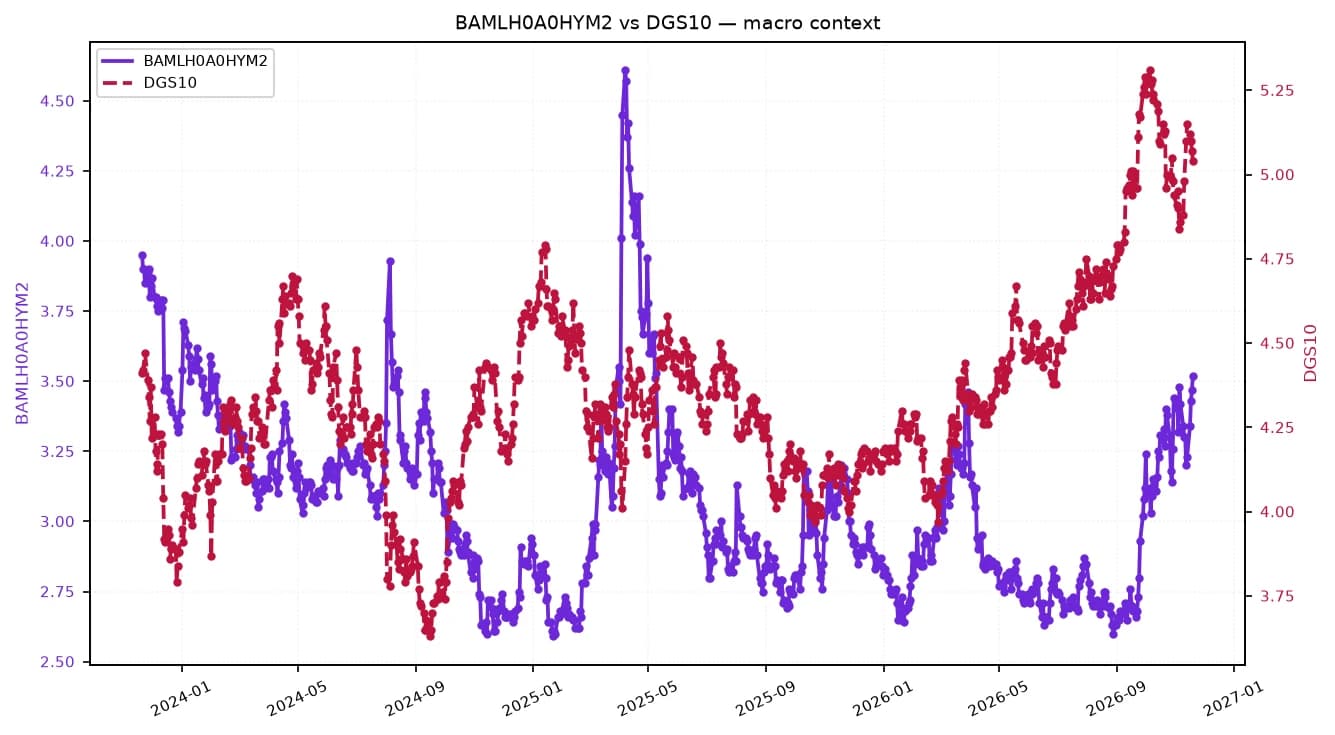
For investors, that is a clear signal that credit selection matters more than headline market size. Secondary-market liquidity has improved, with average daily trading hitting a record 8.8 trillion dong in October, but nearly 80% of activity remains concentrated in banks and real estate. That concentration suggests the market is still pricing stress, not broad confidence. In global terms, the backdrop is also unhelpful: U.S. Treasury yields remain near 5%, while risk appetite across credit is uneven, keeping funding costs high for lower-quality borrowers.
The investment implication is straightforward. The market underestimates how long the refinancing cycle will last in Vietnam’s property complex and how much balance-sheet strength will separate winners from losers in 2027. Banks with access to stable funding should keep taking share, while the weakest real estate issuers will need either asset sales, covenant relief or higher-cost refinancing to bridge the wall. This is exactly the kind of environment where capital flows reward liquidity, punish leverage and create asymmetric opportunities in the stronger names before consensus catches up.
| Entity | Gains | Losses |
|---|---|---|
| Strong banks | ▲Cheaper refinancing access | ▼ |
| Weak real estate issuers | ▲ | ▼Higher funding stress |
| Secondary-market bond traders | ▲Higher turnover | ▼ |
| Investors in high-quality credit | ▲Relative safety | ▼Exposure to defaults |