Thailand’s debate over fuel affordability is shifting from the energy ministry to the Commerce Ministry, with lawmaker Atthawit Suwanphakdi urging the government to use the Price of Goods and Services Act to cap diesel B7 and gasohol 95 at no more than 35 baht a liter.
Thailand Fuel Price Cap Debate Shifts to Commerce Ministry

The push matters because it would move pricing power into a legal framework already used to control essential goods, potentially giving Bangkok a more direct way to blunt higher transport costs for households, truckers and small businesses. Atthawit argues the energy ministry alone cannot solve the problem because the final pricing authority sits with the Commerce Ministry under Thailand’s existing law, which already lists oil as a controlled product.
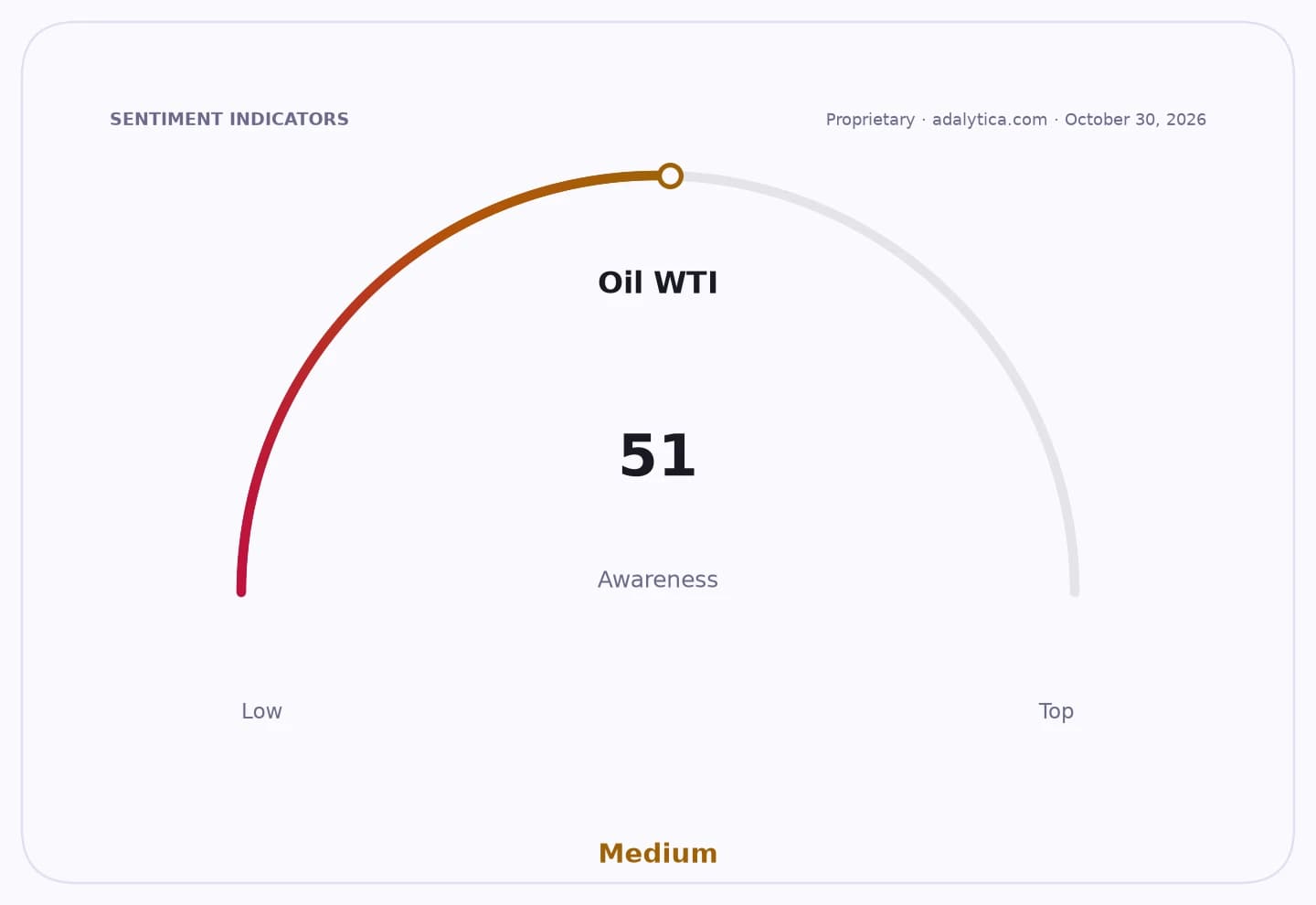
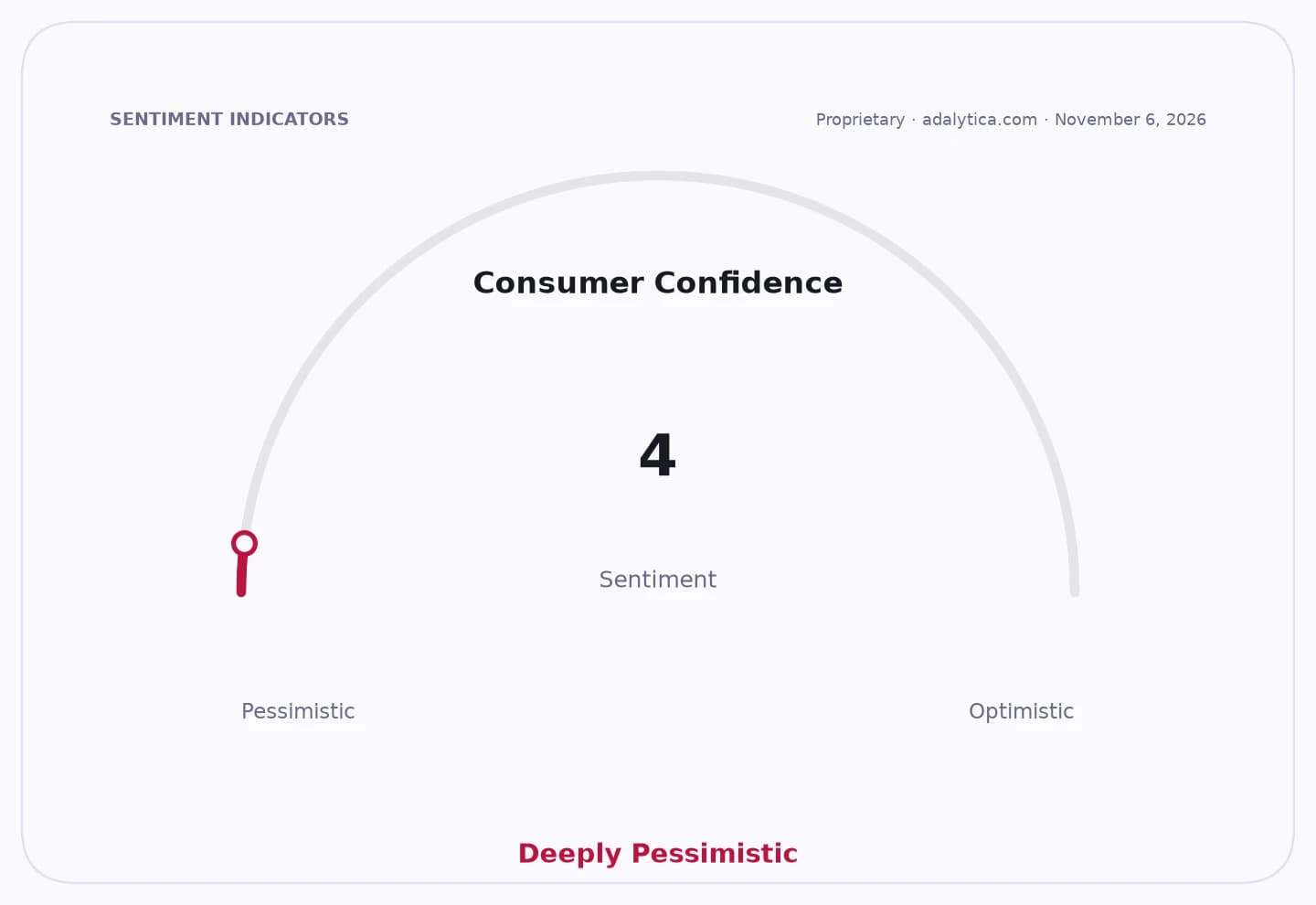
Sentiment Indicators
The proposal comes as crude prices remain volatile and fuel markets stay sensitive to geopolitics. Brent fell 0.4% in the latest move, extending a weekly drop that was the biggest since 2020, even as tensions in the Middle East kept traders wary. U.S. crude traded around $96.56 a barrel on Nov. 6, after touching $98.76 the day before, while the 50-day moving average on the U.S. Oil Fund sat near $152, highlighting how quickly oil-linked assets have swung in recent months.
For investors, the question is less about whether Thailand can lower pump prices than how far any intervention would ripple through inflation, freight costs and fuel margins. A tighter cap could ease consumer pressure and support domestic spending, but it may also squeeze refiners, distributors and energy-linked revenue if the government leans harder on administrative pricing. The country’s consumer price index was still running at 336.298 in September, underscoring why fuel remains politically and economically sensitive.
Atthawit is seeking to route the issue through parliament rather than leaving it to street protests outside the energy ministry, saying lawmakers should push the Commerce Ministry to act immediately. The next catalyst is whether the cabinet or Commerce Ministry takes up the proposal, with any move likely to reset expectations for fuel retailers, transport operators and inflation in the coming weeks.
| Entity | Gains | Losses |
|---|---|---|
| Consumers | ▲Lower fuel bills | ▼Less market pricing flexibility |
| Truckers and transport firms | ▲Reduced operating costs | ▼Delayed policy action |
| Fuel retailers and refiners | ▲Policy clarity if capped | ▼Margin pressure |
| Thai government | ▲Relief from public anger | ▼Higher intervention risk |