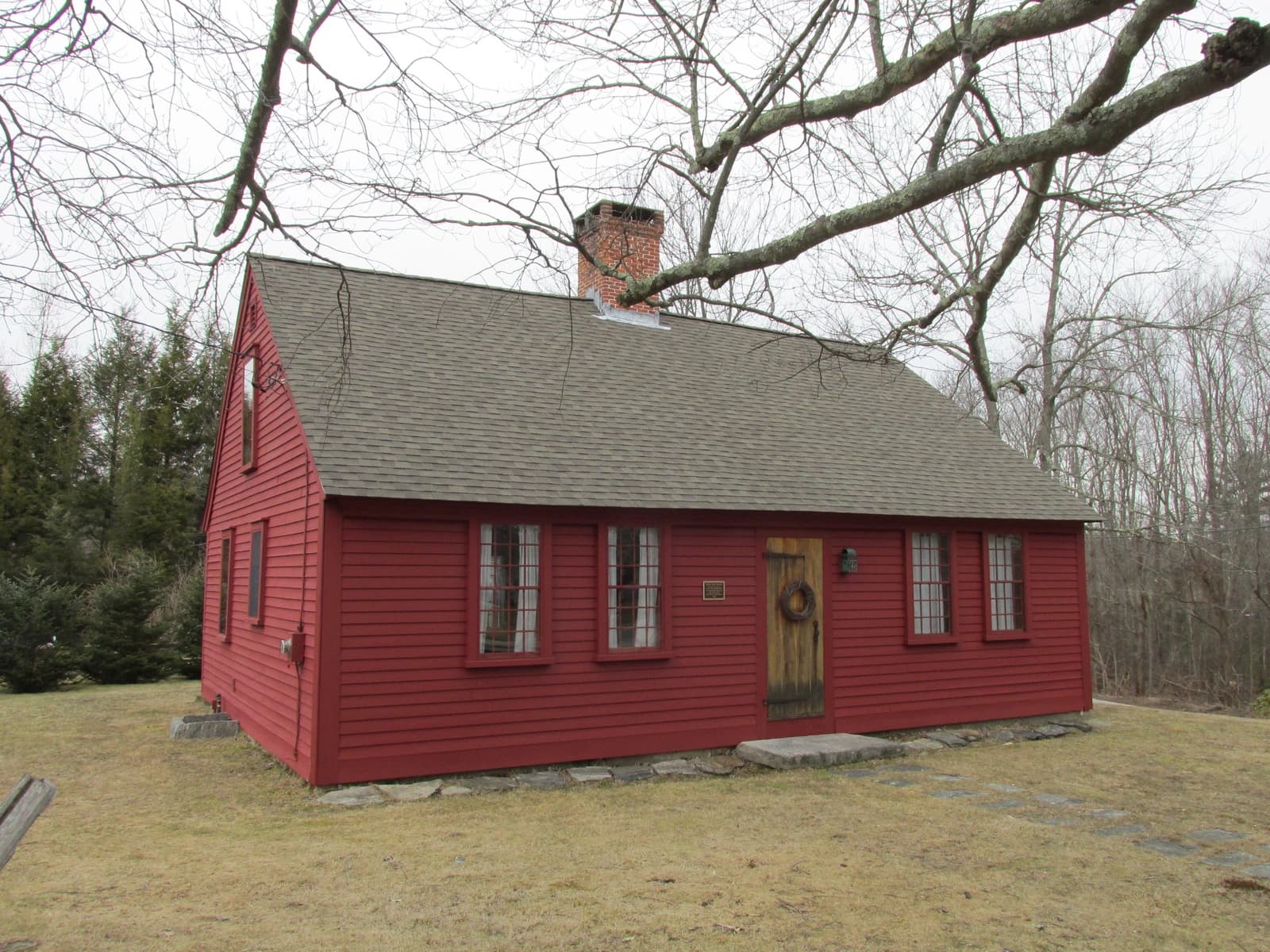
The owner of Sothonchai Nursing Home in Thailand’s Kanchanaburi province says she is ready to sell the care-home business to an investor, turning a local controversy into a potential ownership change in a sector where demand for elder care remains structurally supported by an ageing population.
Thailand nursing home owner ready to sell
Air Force Capt. Phornsermsiri Siriphatrasakun, known locally as “Auntie Maew,” said interested buyers can approach her directly and that the facility is fully prepared for a handover if a serious investor emerges. She framed the sale as an open invitation to businessmen or investors rather than a distress disposal, even as the business has been drawn into a public dispute over allegations of a “secret deal” with a regional health-services office.
For investors, the key issue is not the television drama but the asset itself. Elder-care facilities are increasingly attractive as Thailand’s population ages, and operators with licences, staff, and an established site can be difficult to assemble from scratch. A ready-made nursing home can offer quicker cash generation than greenfield development, particularly if occupancy and regulatory compliance are already in place.
The timing also matters because the sale comes after heightened scrutiny of the home’s relationship with authorities. Auntie Maew denied claims aired by her son that the facility had any improper arrangement with the Health Service Support Centre 5, and said former director Nayana had conducted a thorough inspection while in office. She also signalled willingness to appear on television again to clarify the facts, suggesting the owner is trying to separate the business value of the home from the reputational noise around it.
That distinction is important for buyers. In care services, credibility with regulators, families and local communities is part of the franchise value. Any perception of political or administrative entanglement can weigh on pricing, but a transparent sale and public clarification could also reset the asset’s narrative and make a transaction easier. If the owner can demonstrate compliant operations and stable demand, the facility may appeal to strategic buyers already active in senior living or healthcare real estate.
The broader market backdrop is supportive. Across healthcare and senior-housing markets, established assets are drawing interest from operators seeking scale and from investors looking for recession-resistant cash flow. In listed markets, shares of U.S. peers such as HCA Healthcare, Universal Health Services and Brookdale Senior Living have remained active as investors assess demand resilience, reimbursement pressure and asset quality, underscoring how care providers are being differentiated by operating performance and capital structure rather than simple sector labels.
For now, the immediate catalyst is whether a buyer steps forward and at what valuation. A clean sale could give Auntie Maew an exit and provide an investor with a functioning operating platform. If the controversy deepens, however, the asset could face a wider discount, with investors demanding more diligence on compliance, staffing and governance before committing capital.
| Entity | Gains | Losses |
|---|---|---|
| Auntie Maew / seller | ▲Exit option | ▼Operating burden |
| Investor buyer | ▲Ready-made care asset | ▼Reputation risk |
| Local regulators | ▲Chance to clarify compliance | ▼Public scrutiny |
| Competing nursing homes | ▲Less distraction | ▼Lost acquisition target |