Thailand’s benchmark 5% broken white rice climbed to $475 a tonne, its highest level in two months, as water shortages, weather-related milling bottlenecks and short-term export demand tightened supplies in the region.
Thailand rice prices hit two-month high on supply tightness

The Platts-assessed FOB price rose $9 from the previous week and marked the strongest reading since June 29, when it reached $479 a tonne. The move underscores how quickly rice prices can respond when mills face lower recovery rates and exporters rush to cover nearby cargoes.
For buyers across Asia, the rise matters because Thailand remains one of the main reference points for global rice trade. Higher Thai prices can ripple through regional import bills and feed into procurement decisions for governments and traders that depend on prompt shipments from Southeast Asia.
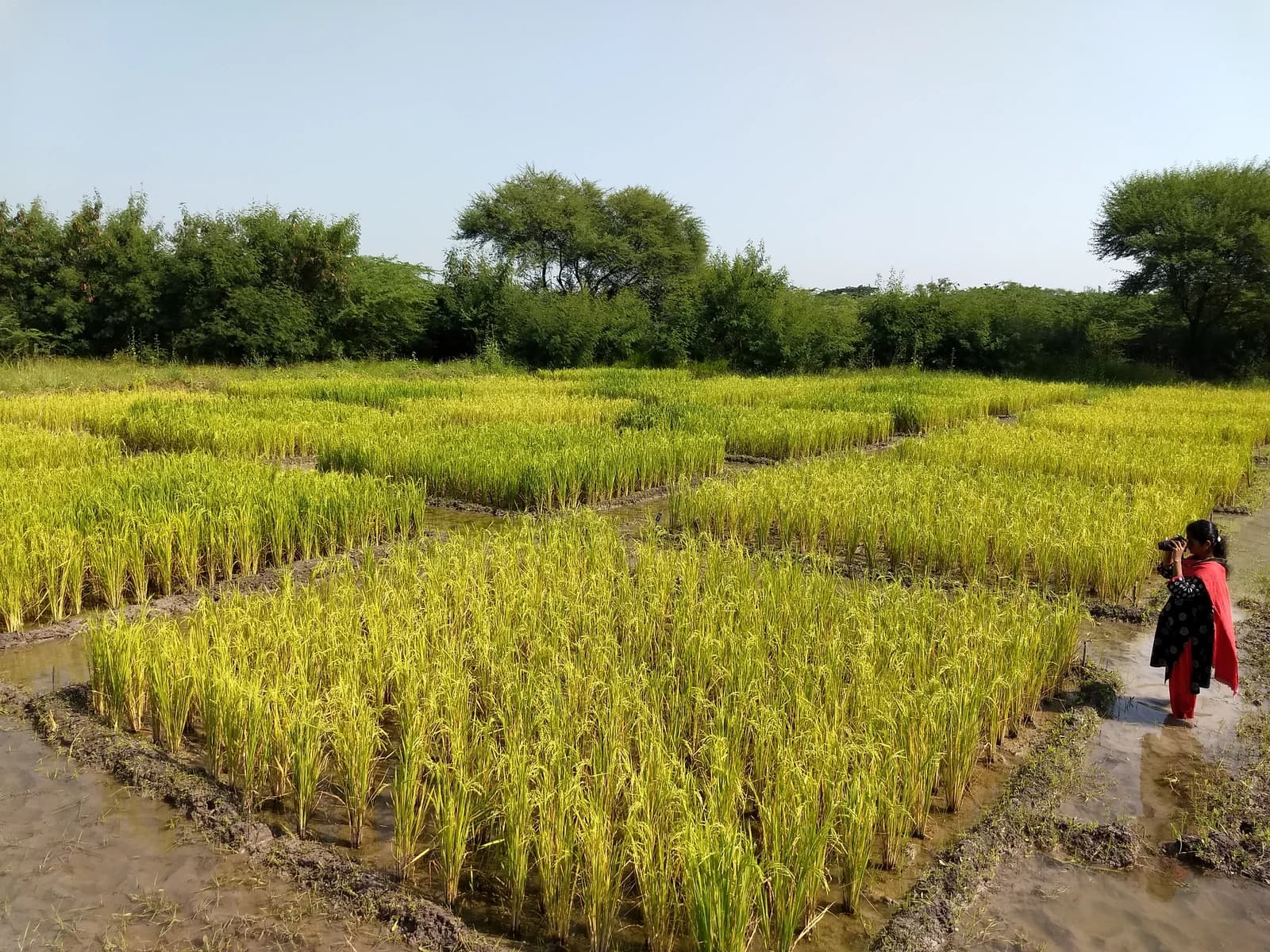
Market participants said the rally could slow if exporters ease buying, but the supply side remains the main driver. Water conditions are said to be tighter than a year ago as the rainy season ends, while continued weather disruptions are hurting milling efficiency and lowering the share of whole grains recovered from paddy rice.
That is pushing up both paddy prices and the cost of producing 5% broken white rice, according to Asia Golden Rice commercial chief Anurak Deesirisathien. He said replenishment buying has been a key support, and that if conditions persist through the month, prices are more likely to stay elevated than reverse quickly once urgent covering ends.
Demand is also shifting within Asia. Thai exporters are focusing more on the Philippines and Malaysia, while demand from Iraq has weakened sharply, though traders said that reflects trade-route changes more than a true drop in consumption.
For investors, the move reinforces the case for firmer agricultural commodity prices where weather, logistics and import demand converge. Exporters with nearby Thai supply may benefit from stronger pricing power, while importers and food buyers face higher short-term procurement costs if the rally extends into the next buying cycle.
The next test is whether export demand holds up enough to absorb the tighter supply. If short-covering fades and exporters step back, prices could flatten; if water stress and milling disruption continue, Thailand’s rice market may stay on the firm side into later September.
| Entity | Gains | Losses |
|---|---|---|
| Thai rice exporters | ▲Higher FOB pricing | ▼Volume if buying slows |
| Rice importers in Asia | ▲Near-term supply access | ▼Higher procurement costs |
| Thai mills/paddy sellers | ▲Better paddy and output pricing | ▼Lower margins if recovery stays weak |
| Short-covering buyers | ▲Avoided supply gaps | ▼Paying up in a tight market |