Thailand will review on Nov. 19 a proposed opening of its market to as much as US$2.6 billion a year of American farm goods, a step that could reshape trade flows, pressure domestic producers and determine how much export relief Bangkok can secure from Washington.
Thailand Reviews US Farm Import Deal Nov. 19
The review is economically significant because it sits at the center of a broader reciprocal-trade deal that could ease access for Thai shipments to the US, the country’s biggest export market. Bangkok is weighing whether to widen duty-free access for selected US agricultural products while preserving safeguards on sensitive goods such as pork, feed ingredients and energy crops, underscoring the government’s attempt to protect rural incomes without jeopardizing a deal that supports jobs and export earnings.
Sentiment Indicators

Prime Minister Anutin Charnvirakul and US President Donald Trump signed a joint statement in Manila confirming the two sides had agreed on the main terms of an Agreement on Reciprocal Trade, though domestic approvals are still needed before it can take effect. Thai officials say the framework would offer duty-free access only for products the country does not produce in sufficient quantities, with quotas or other controls still possible for sensitive items. That approach reflects a familiar trade-off for Thailand: opening import channels to secure lower US tariffs on its exports, while limiting damage to farmers at home.
For investors, the most immediate implication is for Thai exporters, whose competitiveness depends on how far Washington goes in easing tariffs. Thailand is still seeking a cut in a separate forced-labour-related US duty to 10% from 12.5%, a change that could narrow the cost gap with regional peers. Analysts say the final tariff structure will matter for sectors ranging from processed foods to industrial goods, especially after Thailand has emerged as one of the larger sources of the US trade deficit.
US Dollar
Domestic politics and farm economics are likely to slow the process. Agriculture Minister Suriya Jungrungreangkit has told agencies to assess the impact on farmers and consumers, while business groups are pressing the government to disclose the tariff concessions Thailand will make in return. That uncertainty matters because the deal could alter import patterns in feed, pork and other agricultural categories long before it is formally signed.
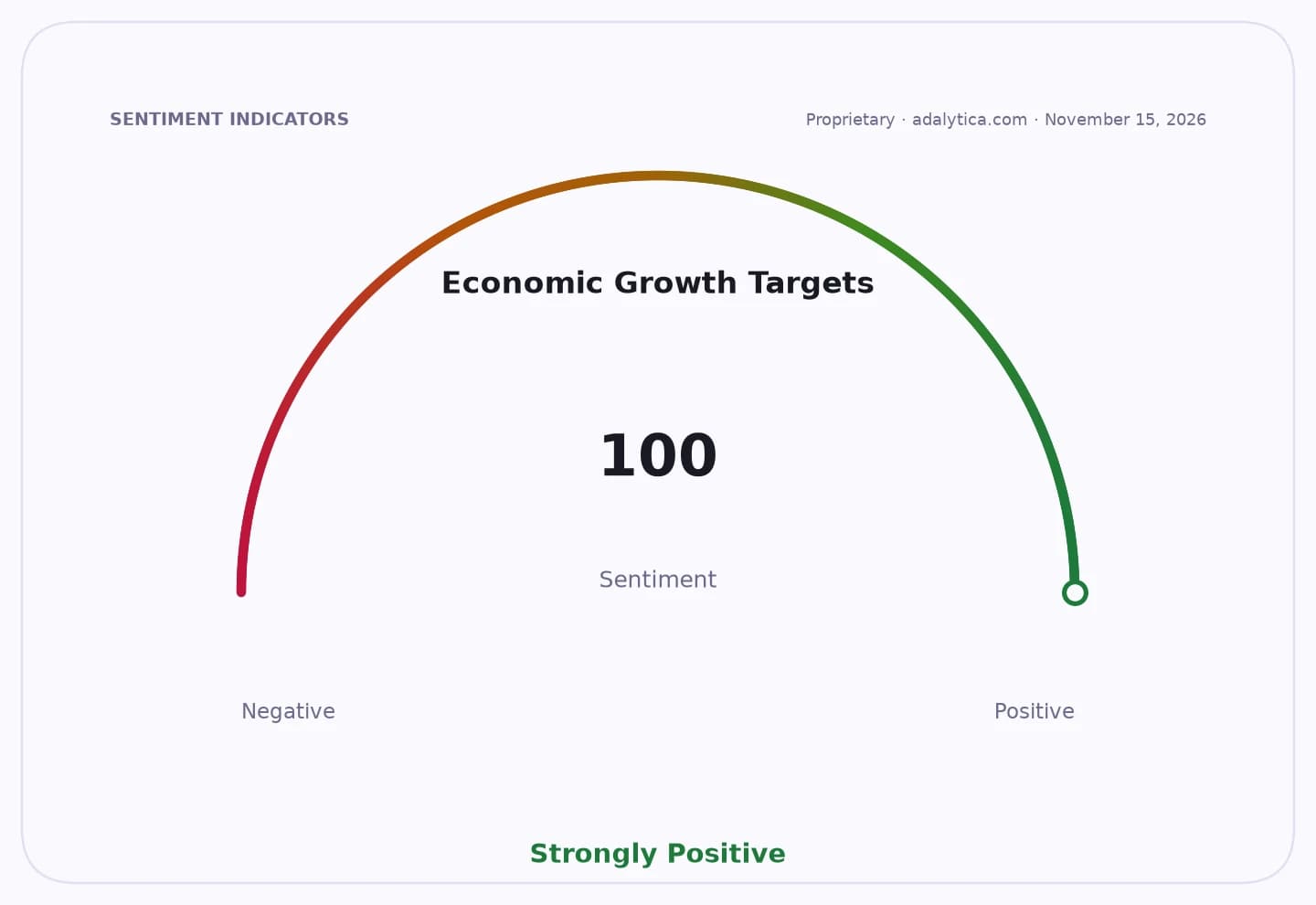
The market read-through is mixed. Thai exporters stand to benefit if the agreement lowers the US tariff burden and locks in more predictable market access. But farmers, feed producers and pork suppliers could face tougher competition if the import window opens wider than expected. The outcome will determine whether the pact becomes a support for Thailand’s growth model or a new source of strain for its rural economy.
For now, Nov. 19 is less about one meeting than about the balance Thailand chooses between trade liberalization and agricultural protection. Investors will be watching not only the eventual tariff list, but also whether Bangkok can preserve export gains without triggering domestic political backlash.
| Entity | Gains | Losses |
|---|---|---|
| Thai exporters | ▲Lower US tariff risk | ▼Policy uncertainty |
| Thai farmers | ▲Protected quotas | ▼More import competition |
| US farm exporters | ▲New market access | ▼Slower approval process |
| Thai consumers | ▲More product choice | ▼Potential domestic producer pressure |