Thailand’s growth outlook is improving as AI-linked electronics exports and a revised industrial production base lift headline GDP estimates, but the economy still looks set to lag Southeast Asia’s major peers by a wide margin.
Thailand GDP Outlook Improves on AI Electronics Exports

The upgrade matters because it points to a modest cyclical lift for Thailand’s economy, yet it does not solve the deeper problem holding back growth: weak domestic demand. Banks and research firms have raised 2026 GDP forecasts by about 0.2 to 0.3 percentage points after a statistical overhaul captured more output from newer factories and fast-growing products tied to AI and data centers. Even so, Thailand is still expected to post the weakest growth among the region’s larger economies, underscoring how far it remains from a broad-based recovery.
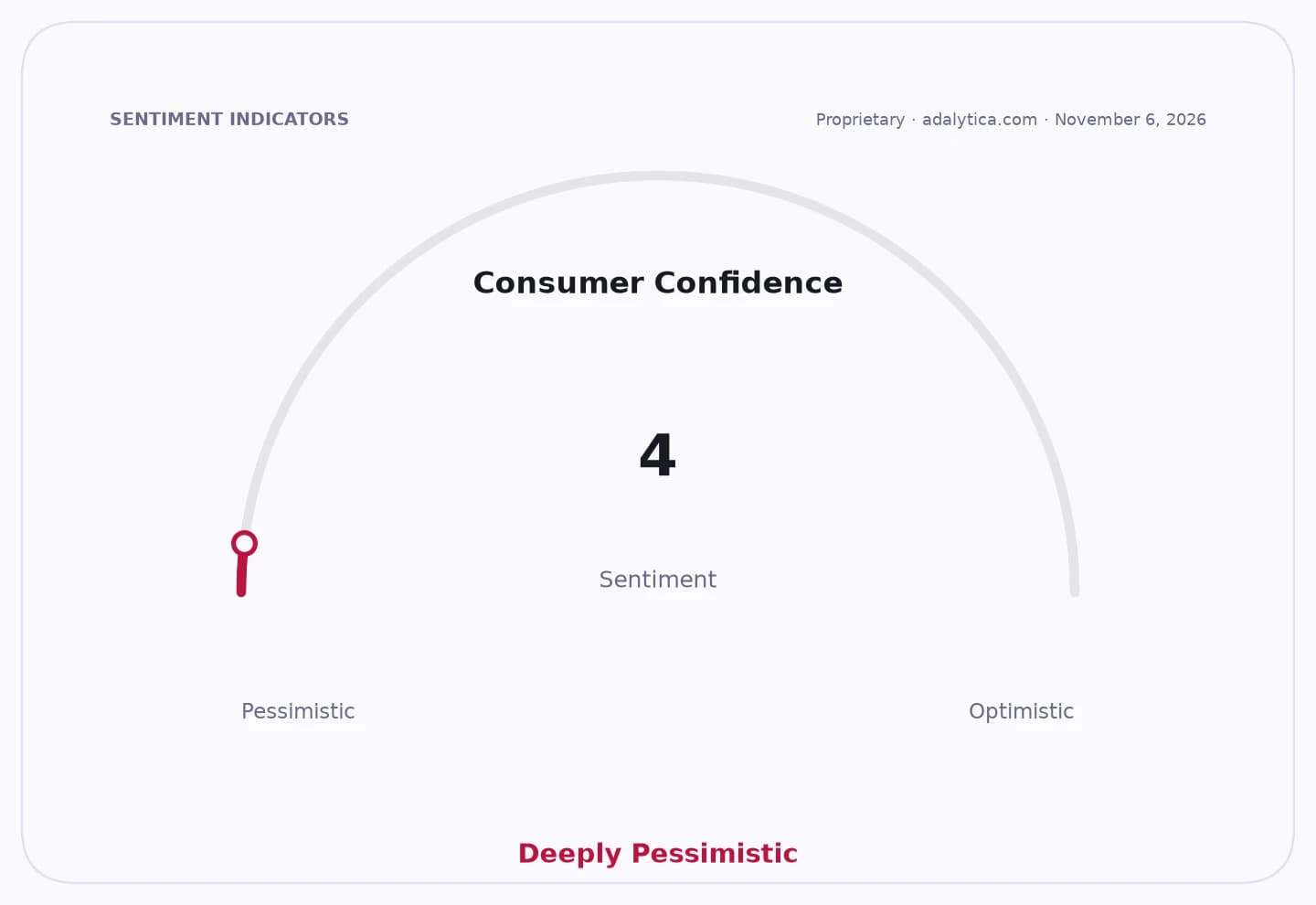
Sentiment Indicators

Kiatnakin Phatra Securities now sees growth at about 2.8% for 2026, up from 2.5%, while Krungthai Compass has lifted its forecast to 2.6% from 2.3%. Standard Chartered is at 2.3%, up from 2.1%. That still leaves Thailand well behind Vietnam, where the IMF expects 8.4% growth in 2026, and trailing Malaysia at 5.2%, Indonesia at 5.1%, Singapore at 5% and the Philippines at 3.4%.
The revision highlights how much of Thailand’s recent improvement is coming from trade and investment rather than household spending. Exports of laptops, optical transceivers and backup power equipment totaled about 802 billion baht, or $24 billion, last year, accounting for more than 7% of shipments. Those products are benefiting from the global AI buildout, helping offset weakness in consumer demand and services. But economists say that is not yet translating into a stronger domestic cycle.
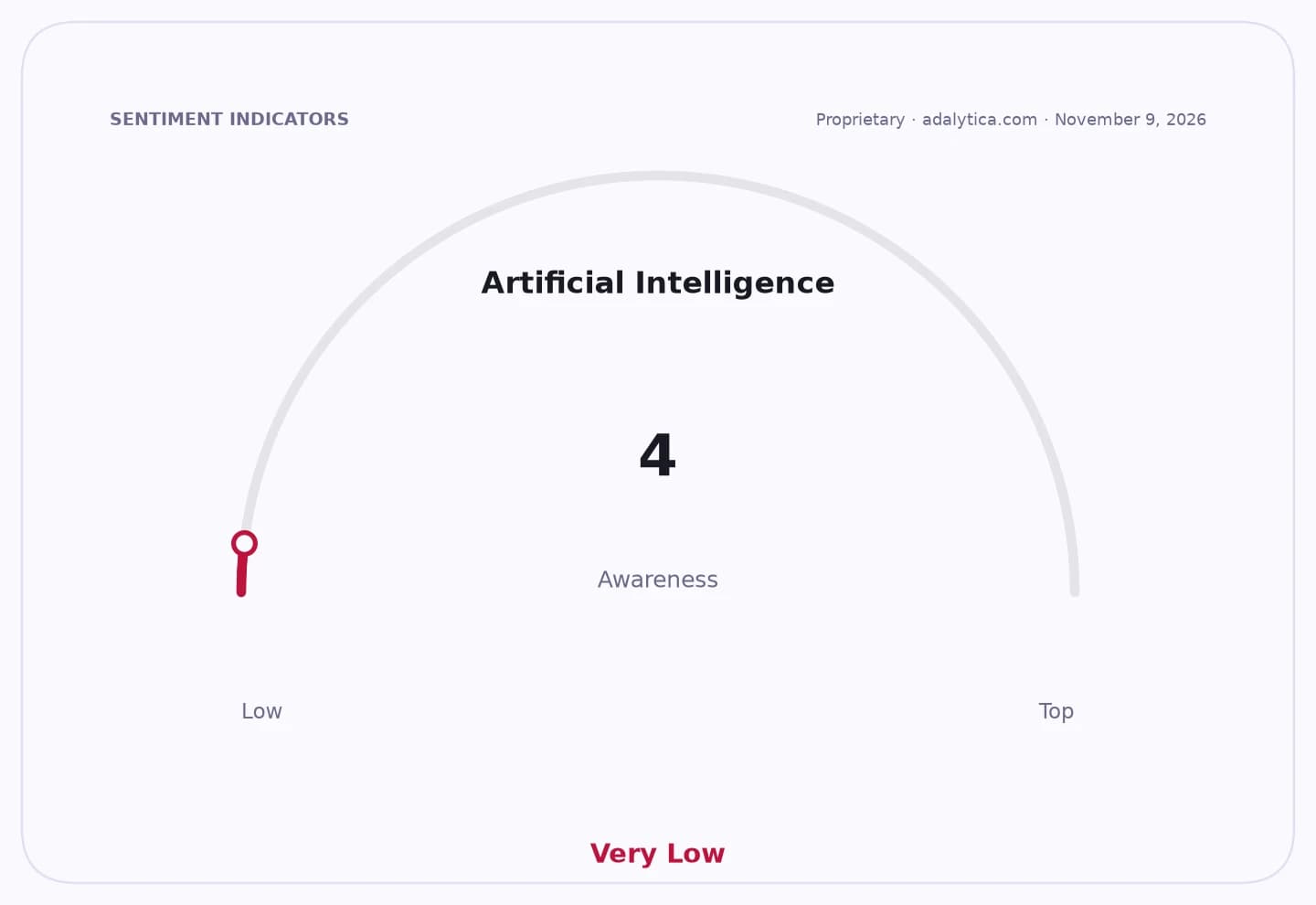
Artificial Intelligence
“The revision raises the measured level of growth but not its breadth,” said Pipat Luengnaruemitchai, emerging Asia economist at Kiatnakin Phatra Securities. “The larger part of the economy, consumption and services, is still held back by weak household finances, so a stronger GDP print should not be read as a broad-based reacceleration.”
The change follows an overhaul of Thailand’s manufacturing production index to include newer factories and products linked to AI and data centers. That means some of the better performance is statistical as well as real, with the economy now capturing output that may previously have been understated in national accounts. Maybank Securities economist Erica Tay estimates the revisions could add 0.2 percentage points to reported growth in 2024, 0.5 points in 2025 and 0.6 points in the first half of 2026. Goldman Sachs has said first-half GDP growth could be revised to 2.9% from 2.4% if that output had been excluded previously.
For investors, the implication is two-sided. The AI export theme supports earnings for electronics suppliers, industrial exporters and logistics-linked names, and it gives Thailand a small but real buffer against softer domestic conditions. It also helps explain why Thailand-focused equities and ETFs have held up better than the broader macro narrative might suggest. But the upside is limited if household debt stays high and consumption remains subdued, because that keeps pressure on retailers, banks and domestic cyclical sectors.
| Entity | Gains | Losses |
|---|---|---|
| Thailand exporters | ▲Higher shipments | ▼None from AI demand |
| Domestic consumers | ▲Little immediate relief | ▼Weak incomes/debt burden |
| Electronics suppliers | ▲Better output growth | ▼Still cyclical risk |
| Policymakers | ▲Easier rate stance | ▼Limited broad recovery |