Kilogram-scale deposits of gold and silver in bank accounts linked to Tirupati Devasthanam officials have become a new focal point in an anti-corruption probe, raising the stakes for one of India’s most closely watched religious institutions and for the wider market in temple-linked assets and donations.
Tirupati Devasthanam gold deposits face probe

The deposits matter economically because they point to the possibility that valuables collected in a highly cash-and-gold-intensive ecosystem may have been converted into bankable financial assets outside normal oversight. In a country where temples handle substantial flows of jewellery, bullion and offerings, any sign that officials parked precious metals in the banking system in large quantities raises questions about leakage, governance and the integrity of asset custody. If investigators substantiate unexplained wealth, the case could prompt tighter controls on temple inventories, donations and deposit practices well beyond Tirupati.
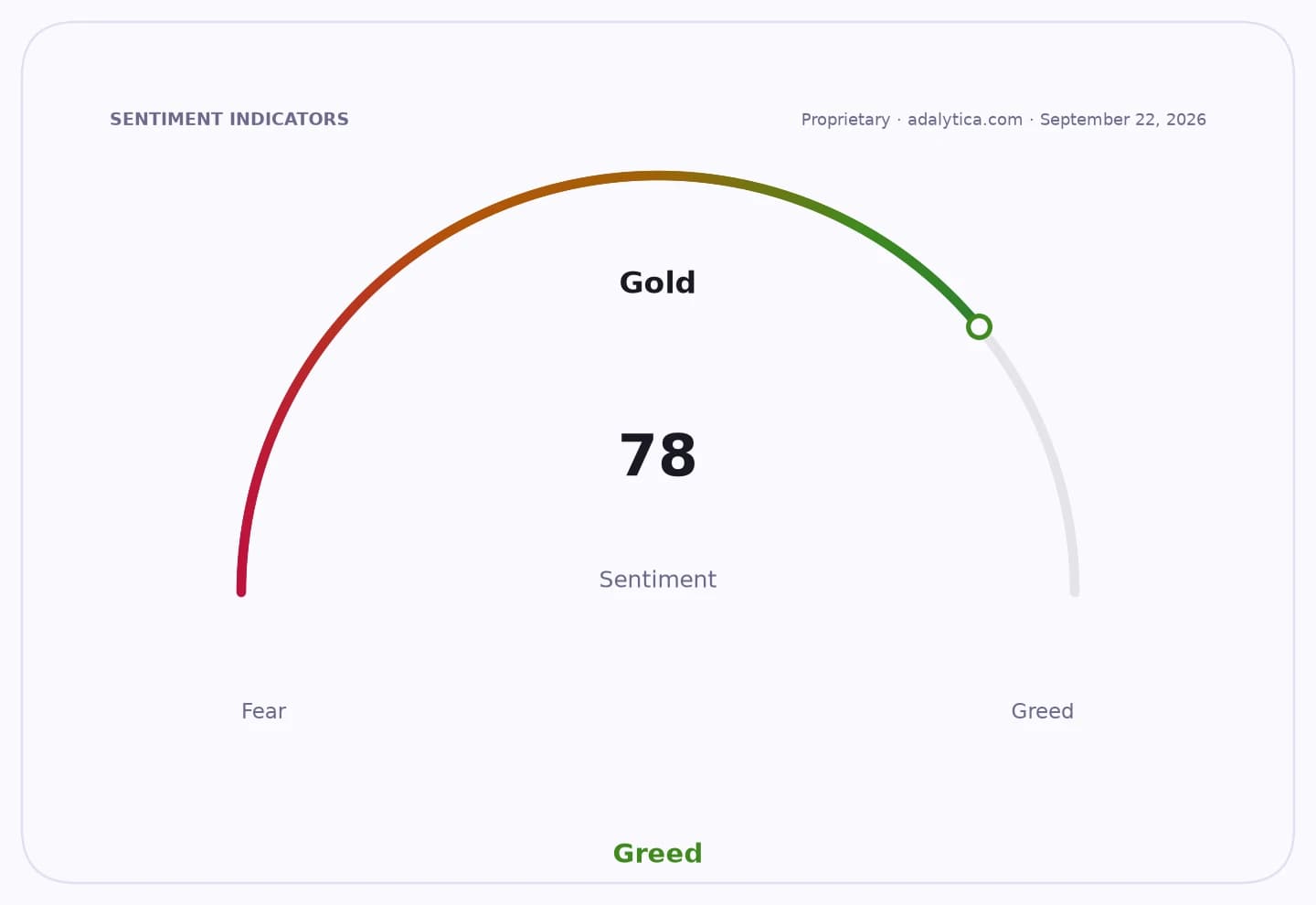
Sentiment IndicatorsⓘProprietary · adalytica.com · September 4, 2026
This is a snapshot — live sentiment, awareness and momentum for 130+ markets update continuously in the dashboard.Open AlphaPulse
The investigation surfaced during the wider probe into alleged adulteration in the famed Tirupati laddu, with agencies said to have found signs that some Devasthanam officials accumulated assets disproportionate to known income. Andhra anti-corruption police have been brought in, and the scrutiny has widened to include the former Devasthanam chief’s personal aide, underscoring that this is no longer just a food-safety or religious controversy but a financial-forensics case.
For investors, the immediate read-through is less about direct exposure than about the broader governance premium attached to institutions that move large volumes of physical gold and silver. Banks, bullion handlers and temple-related contractors may face tougher compliance checks if the probe expands, while local businesses tied to pilgrimage demand could see reputational fallout if public trust weakens. Gold itself remains supported by India’s enduring retail appetite and its safe-haven role globally, but this story is about custody, not prices: it highlights how precious metals can become both a store of value and a channel for alleged abuse when controls are weak.
The next catalysts are whether investigators quantify the deposits, trace their source and establish a link to unexplained income. A finding of systemic diversion would likely deepen pressure for audit reform at religious trusts and could set a precedent for how India polices bullion-heavy institutions.
| Entity | Gains | Losses |
|---|---|---|
| Investigators | ▲Wider mandate | ▼Limited trust in institutions |
| Tirupati Devasthanam donors/devotees | ▲Potential reforms | ▼Confidence in oversight |
| Banks holding deposits | ▲More compliance scrutiny | ▼Reputational risk |
| Bullion and temple contractors | ▲Cleaner rules if reforms follow | ▼Short-term scrutiny |