A magnitude-5-level quake in the Tokyo metropolitan area has briefly disrupted trains, power and daily commerce, reminding investors that Japan’s real opportunity in a seismic economy is not to chase sentiment but to own the assets that keep the country running when shocks hit.
Tokyo quake disrupts trains, power and daily commerce

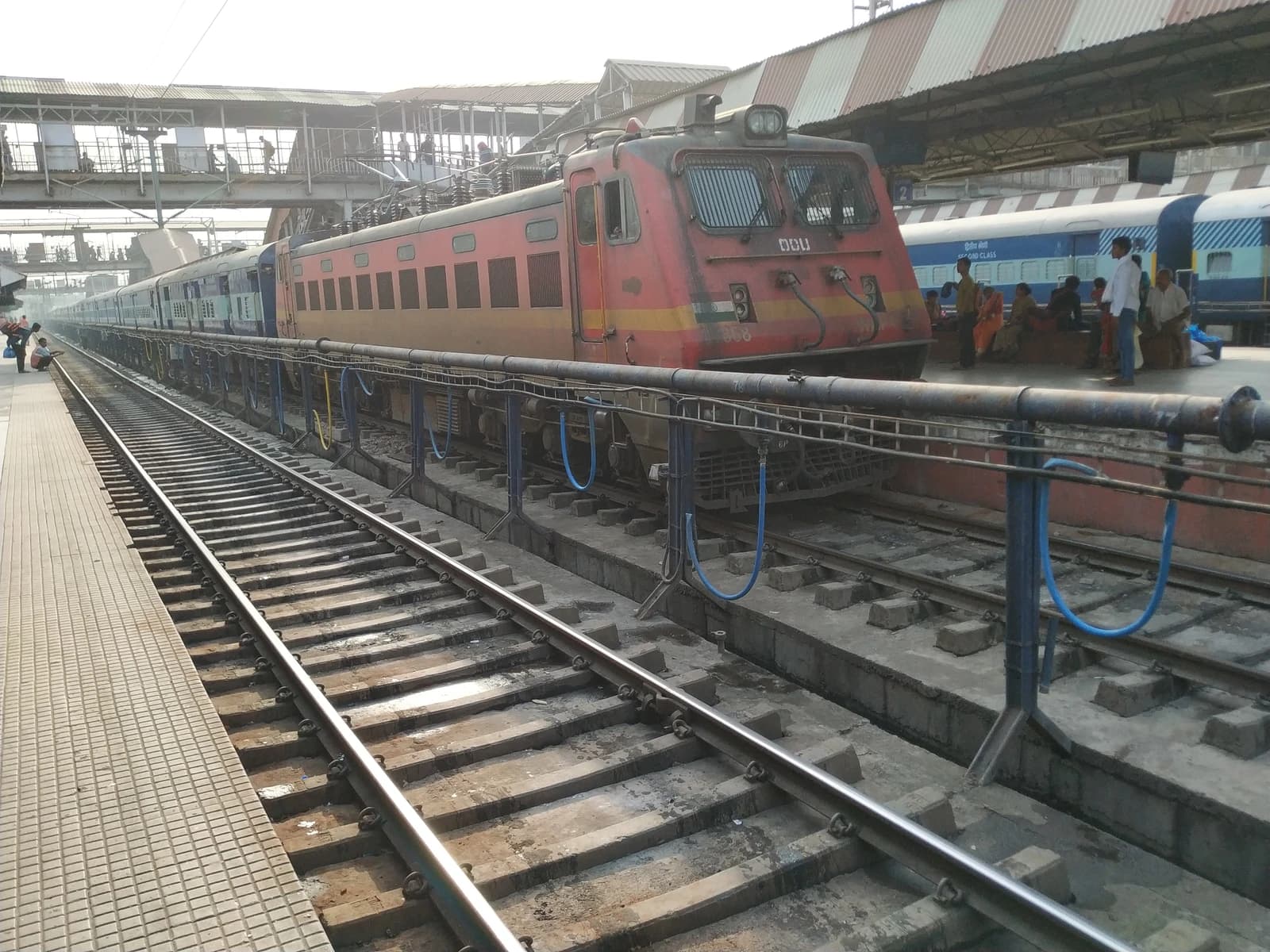
The quake, which affected Tokyo, Ibaraki, Saitama and Chiba, forced suspensions on some rail lines, left nine people injured and caused localized flooding and outages. That is not a macro event in the usual market sense, but it is an economic stress test: every interruption in the world’s largest urban economy exposes the value of resilience, maintenance, emergency systems and balance sheets that can absorb disruption without breaking.
Sentiment IndicatorsⓘProprietary · adalytica.com · September 3, 2026
This is a snapshot — live sentiment, awareness and momentum for 130+ markets update continuously in the dashboard.Open AlphaPulse

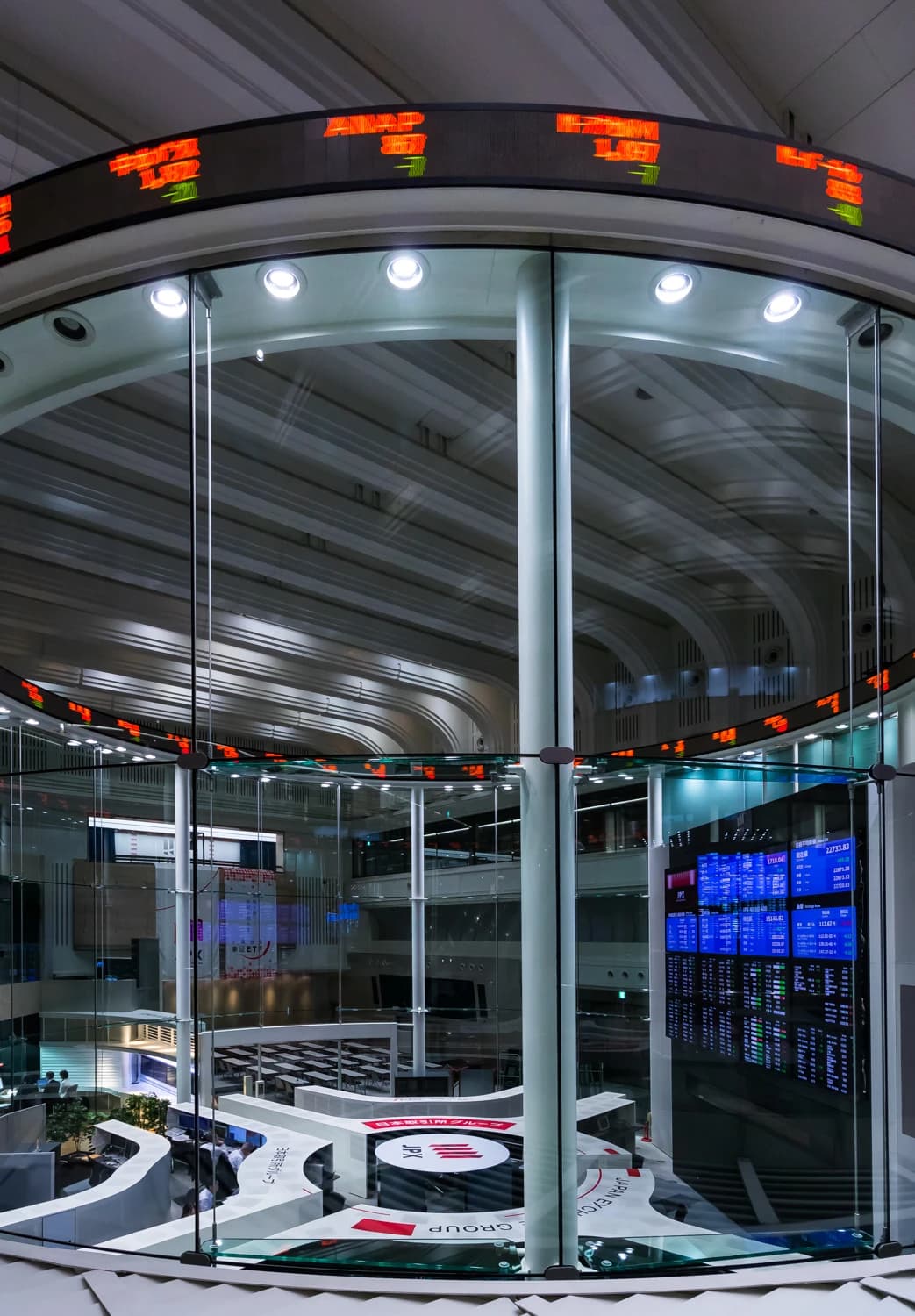
For value investors, the question is not whether the market is fearful after a quake. Fear is the point. The question is which businesses collect tolls from the need to repair, rebuild, insure and harden critical infrastructure. Japan’s recurring seismic risk creates a long-duration demand stream for construction materials, rail and utility equipment, industrial safety systems, property insurers and infrastructure owners with pricing power. Those are the hidden beneficiaries when the market is focused on the headline and ignoring the asset mix underneath it.
The broader implication is that Japan’s urban density makes resilience a capital allocation theme, not a one-off disaster trade. Tokyo’s rail network, underground utilities, commercial property stock and municipal services all need continual investment to reduce downtime from future tremors. That supports a durable case for companies tied to retrofitting, engineering services, rail infrastructure and insurance underwriting discipline, especially if policymakers respond with tighter safety standards and more public spending.

The same logic applies to investors who think in cycles. Earthquakes do not create growth, but they do force spending, and spending flows to firms with existing networks, specialized expertise and pricing power. In a market where headlines quickly fade, the real edge is owning the businesses that turn volatility into recurring cash flow. That is where the value case is strongest now.
| Entity | Gains | Losses |
|---|---|---|
| Infrastructure and retrofit firms | ▲More repair and hardening demand | ▼Project delays from disruption |
| Property and casualty insurers | ▲Higher premiums over time | ▼Near-term claims costs |
| Rail operators and utilities | ▲Renewal capex justification | ▼Service interruptions and outages |
| Tokyo commuters and retailers | ▲— | ▼Transit delays and lost sales |