TSMC’s original decision to make only other people’s chips has become one of the most important business models in modern technology, and it is still the bottleneck that determines who can scale in the AI era.
TSMC and AI Chip Supply Chain Exposure
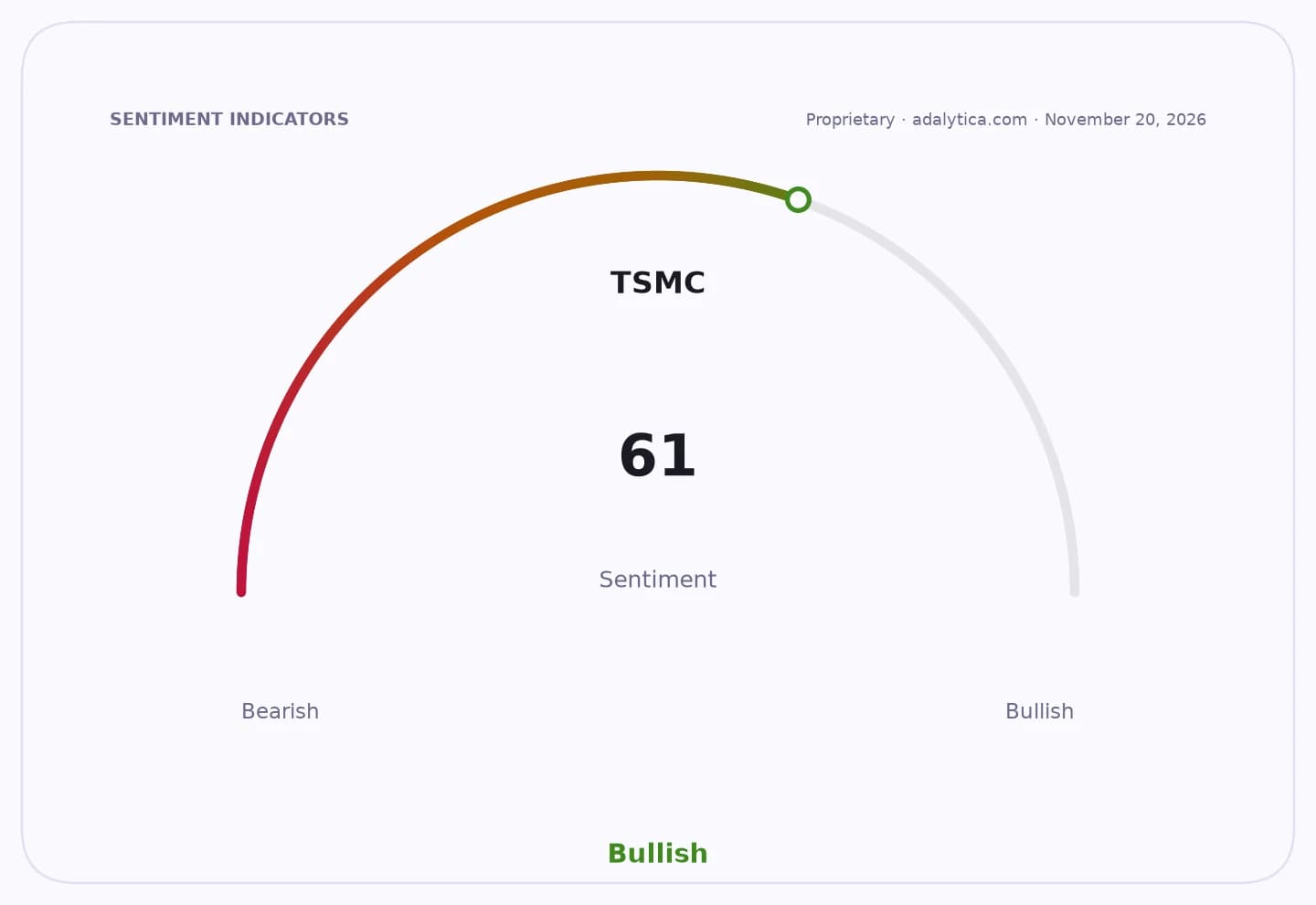
TSMC
The reason that matters is simple: the world’s most valuable chip designs are only as powerful as the factory that can mass-produce them. TSMC pioneered the pure-play foundry model in 1987, separating chip design from manufacturing and letting startups and giant tech companies focus on architecture instead of spending billions on their own fabs. That decision lowered the barrier to entry for the entire semiconductor industry and created a toll road on global compute.
Sentiment Indicators
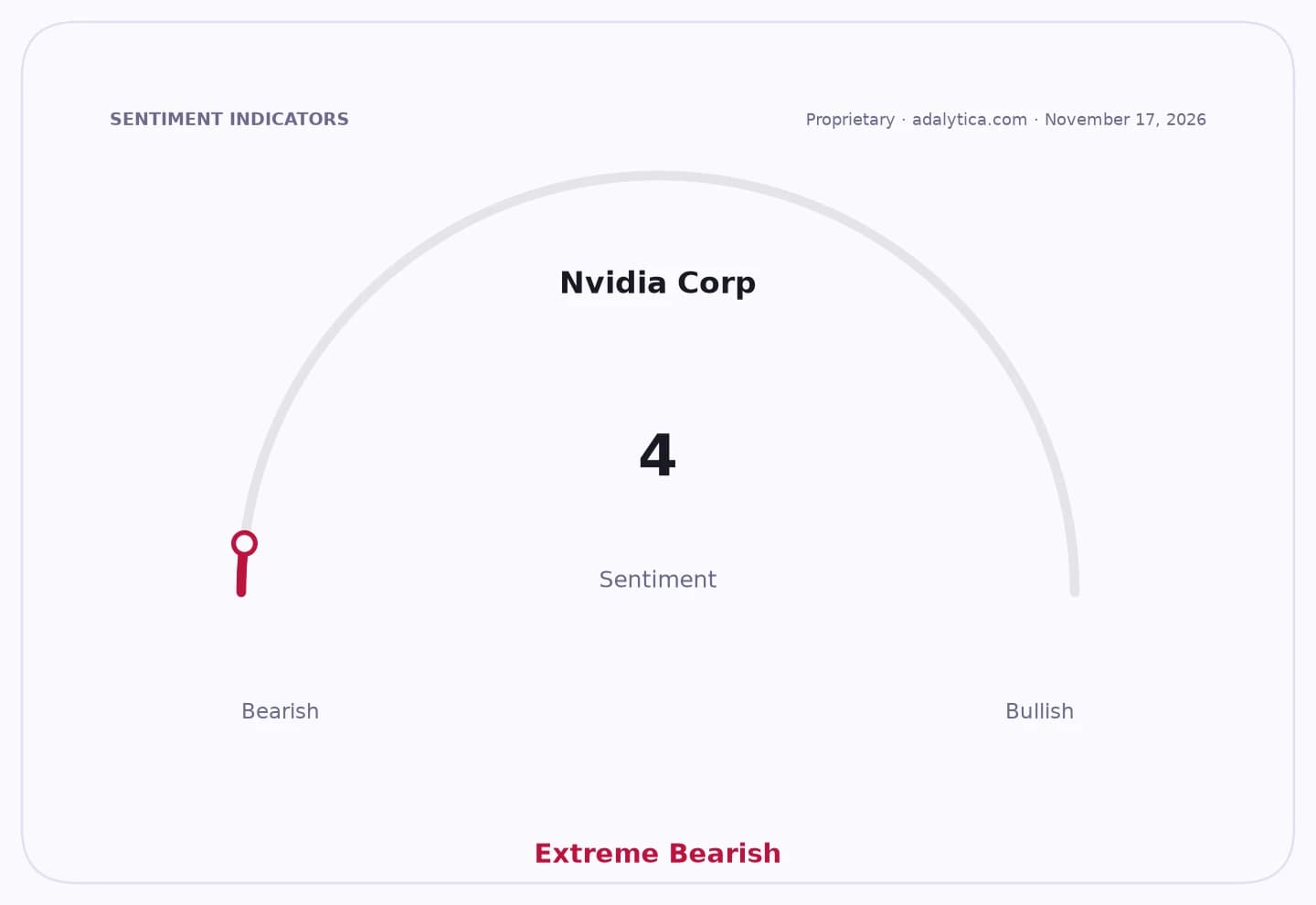
Nvidia Corp
Today, that toll road is more valuable than ever. AI demand is forcing hyperscalers, chip designers and memory makers to pour capital into advanced manufacturing, and the market is rewarding the companies closest to that supply chain. TSMC sits at the center of that capex cycle because it makes the most advanced chips for customers that no longer want to risk building those fabs themselves. Intel is still trying to prove its own foundry ambitions, but TSMC remains the standard the industry is measured against.
The stock has reflected that strategic importance, though not without volatility. TSMC shares have been whipsawed in recent months, and the latest reading shows the stock around $342.34, well below its 50-day moving average of $418.26 and near a weak RSI reading of 47.6, even as the 200-day moving average sits lower at $402.23. That disconnect matters: the market is treating the name like a cyclical semiconductor stock, while the business increasingly looks like core infrastructure for AI.
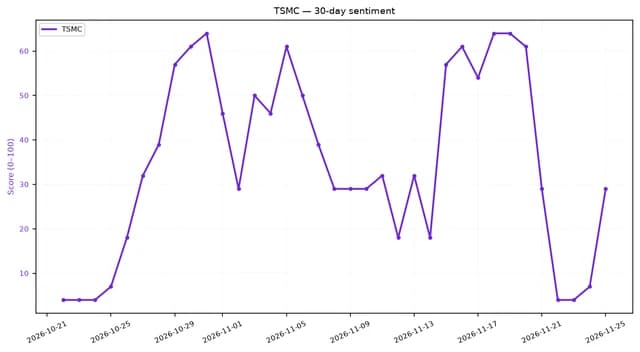
By contrast, the broader chip complex still offers exposure to the same secular trade. Nvidia remains the clearest demand signal for AI compute, while the VanEck Semiconductor ETF and chip-equipment suppliers such as Lam Research and KLA remain leveraged to every incremental dollar of fab spending. The message from the foundry model is that the real money is often made not just in the chip design itself, but in the indispensable manufacturing layer that everyone else depends on.
That is why TSMC’s legacy is bigger than a history lesson. The company didn’t just invent a new way to make chips; it created the industrial framework that made today’s AI buildout possible. For investors, the takeaway is straightforward: as long as AI capex keeps rising, the best asymmetric exposure is not just the chipmakers everyone knows, but the foundry and equipment names that own the chokepoint.
| Entity | Gains | Losses |
|---|---|---|
| TSMC | ▲Foundry pricing power | ▼Manufacturing bottleneck risk |
| Nvidia | ▲AI demand tailwind | ▼Supply dependence |
| Samsung / SK Hynix | ▲Advanced-memory upside | ▼Fab race pressure |
| Intel | ▲Foundry ambition upside | ▼Execution scrutiny |