TSMC shares jumped after a report said Nvidia has asked the foundry giant to help make advanced memory chips, a move that could widen Taiwan Semiconductor’s role beyond cutting-edge logic manufacturing and put it on a collision course with Samsung, SK Hynix and Micron.
TSMC Reported in Nvidia 3D DRAM Memory Talks
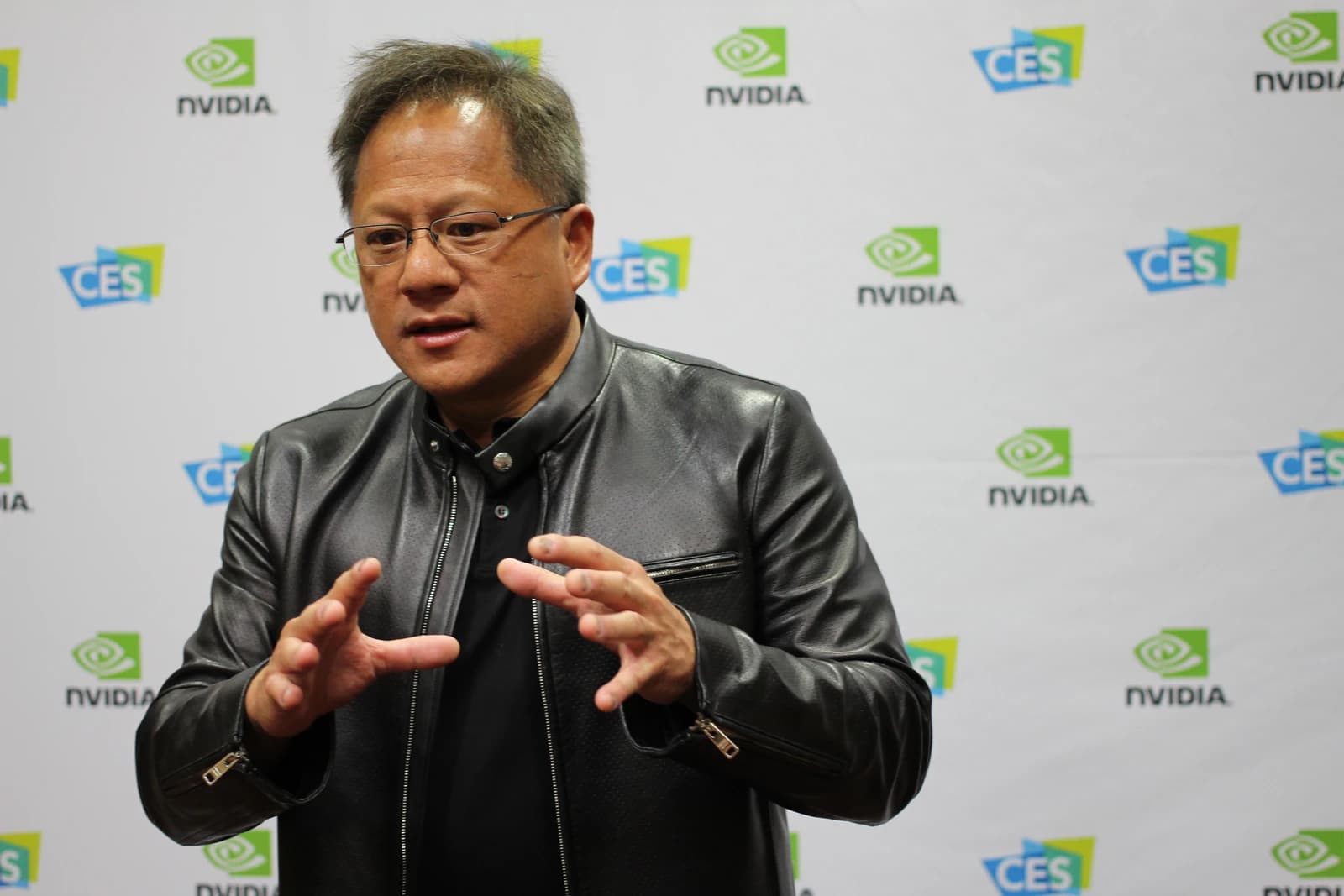
The American depositary receipts rose more than 6% in early trading as investors bet TSMC could gain a bigger slice of the fast-growing AI supply chain. The reported work centers on 3D DRAM, a memory format designed to support the high bandwidth requirements of AI systems and one that has become more strategically important as chipmakers scramble to secure supply.
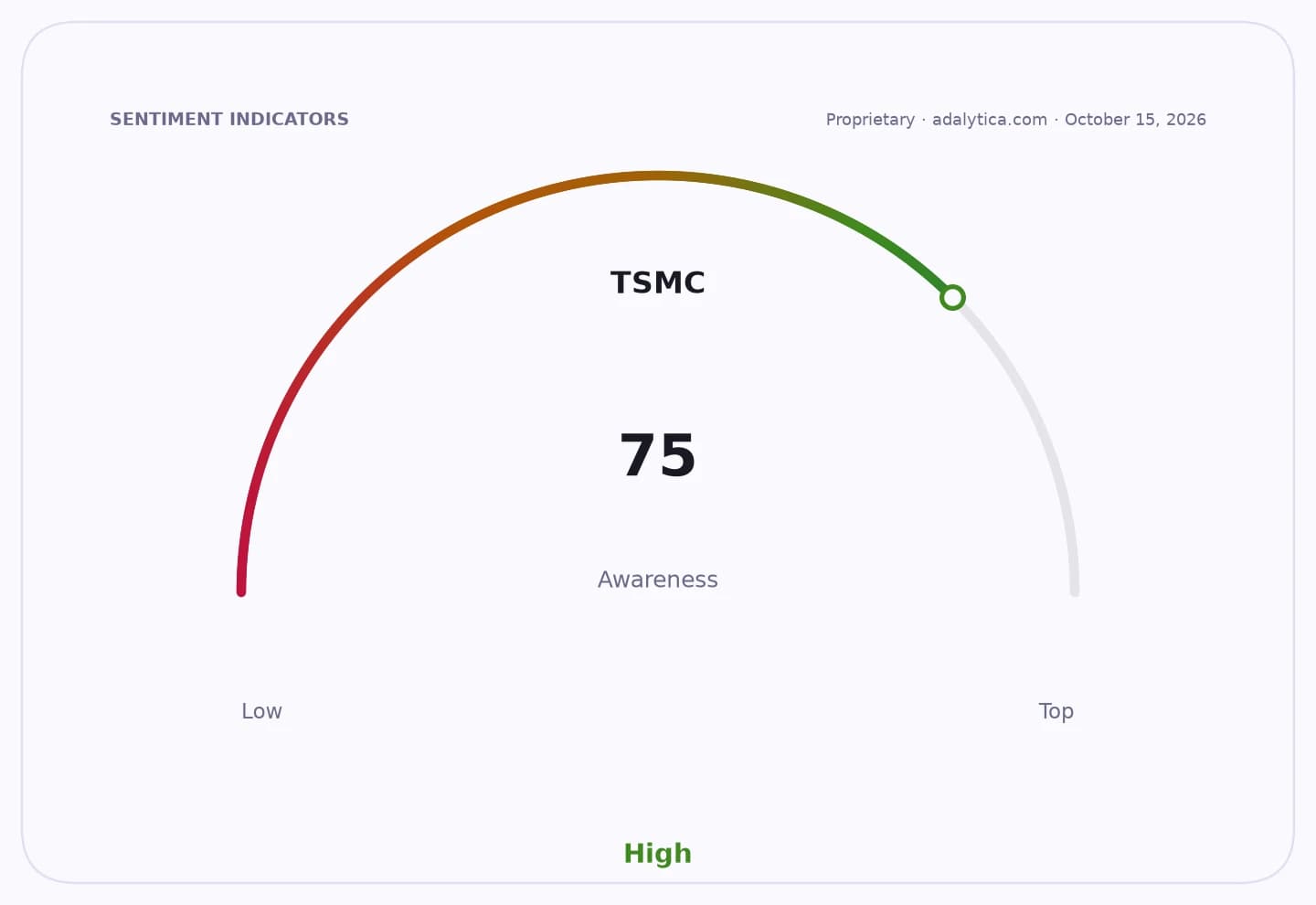
Sentiment Indicators

For Nvidia, the world’s most valuable chipmaker, the attraction is clear: AI systems are increasingly limited not just by compute, but by memory capacity and bandwidth. Nvidia and other large technology buyers, including Apple, have been seeking additional memory sources as AI demand strains supply chains and pushes the industry toward tighter integration between logic, packaging and memory.
The reported push would be a meaningful shift for TSMC because memory chips are a different business from the company’s core foundry model. It would also deepen TSMC’s already dominant position in AI hardware manufacturing and potentially give Nvidia another route to diversify supply away from existing memory leaders.
Samsung Electronics, SK Hynix and Micron currently dominate the advanced memory market, especially high-bandwidth memory used in AI servers. TSMC has patents tied to vertical DRAM technology, but moving from development to large-scale production could still take years, underscoring that any competitive challenge would be gradual rather than immediate.
The stock reaction also reflects the market’s broader appetite for anything tied to AI infrastructure after a rough spell for chip shares. TSMC’s rally stands out against a backdrop of heavy volatility in semiconductor names, while Nvidia’s own shares have been under pressure, with sentiment data on Adalytica showing “Extreme Fear” even as awareness remains elevated.
Investors will now watch whether the reported plan turns into capital spending on new memory capacity or an acquisition of an existing semiconductor plant. If TSMC does move forward, the biggest beneficiaries would likely be Nvidia and other AI customers looking for secure supply, while the biggest risk falls on incumbents already squeezed by cyclicality and pricing pressure in the memory market.
| Entity | Gains | Losses |
|---|---|---|
| TSMC | ▲Broader AI role | ▼Higher capex risk |
| Nvidia | ▲More memory supply options | ▼Less dependence on incumbents |
| Samsung / SK Hynix / Micron | ▲— | ▼New foundry rival pressure |
| AI chip buyers | ▲Tighter supply chain | ▼Potentially higher memory competition |