TSMC is using its position at the center of the AI chip boom to push through higher prices, expand in the United States and deliver record earnings, underscoring why investors may still be undervaluing its pricing power and strategic leverage.
TSMC Gains Pricing Power Amid AI Demand
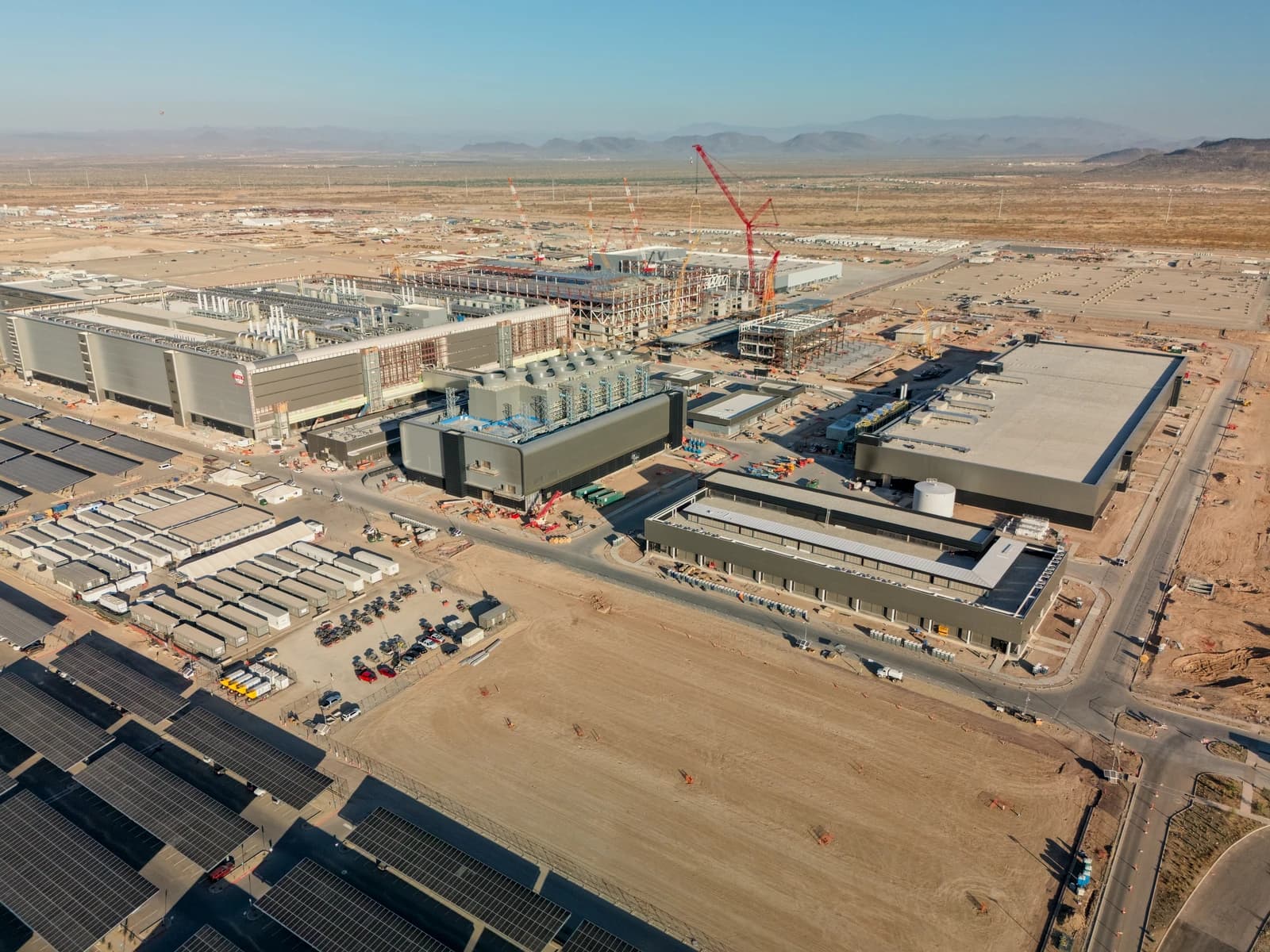
The world's largest contract chipmaker plans to raise manufacturing prices by as much as 10% next year while committing an additional $100 billion to US capacity, a combination that strengthens margins, secures supply with key customers and deepens its role in Washington’s push for domestic chip production. For investors, the message is that TSMC is not just riding AI demand — it is increasingly setting the terms of access to the most advanced semiconductors.
Sentiment IndicatorsⓘProprietary · adalytica.com · July 28, 2026
This is a snapshot — live sentiment, awareness and momentum for 130+ markets update continuously in the dashboard.Open AlphaPulse

That matters economically because TSMC sits at the choke point for the industry’s most important products, from high-end smartphone chips to Nvidia's AI accelerators. When TSMC lifts prices, the cost pressure can ripple through device makers and cloud companies, while the company’s capacity buildout helps determine how quickly the global AI infrastructure can scale.
The stock market has not fully reflected that leverage. TSMC shares were last at $399.09, down from a recent high near $477.57, even after a long rally that left them well above the 50-day moving average of $425.68 and the 200-day moving average of $354.02. RSI readings at 32.3 and a negative MACD point to a sharp pullback in momentum, not a deterioration in the business.

The semiconductor complex has also cooled. The SOXX ETF fell to $516.23 from $551.24 on July 23, while Nvidia dropped to $196.51 from $208.76 over the same stretch, showing that TSMC’s weakness has come alongside broader profit-taking in AI hardware rather than a company-specific breakdown. Adalytica’s TSMC Earnings Sentiment gauge is neutral at 39, but that looks more like a sentiment reset than a reflection of fundamentals after record quarterly profit and stronger pricing.
For investors, the key question is whether the market is pricing TSMC like a cyclical manufacturer or like a strategic toll collector on AI infrastructure. The answer matters for margin estimates, capital spending expectations and the broader semiconductor supply chain, especially as customers face higher wafer costs and the company funnels more production into the US.
The next catalyst is whether TSMC can keep converting AI demand into higher average selling prices without damaging order flow, while also absorbing the execution risk of a much larger US buildout. If it does, the case for giving TSMC more respect from the market only gets stronger.
| Entity | Gains | Losses |
|---|---|---|
| TSMC | ▲Higher pricing power | ▼Near-term stock momentum |
| AI chip customers | ▲More advanced capacity | ▼Higher wafer costs |
| US policymakers | ▲More domestic chip supply | ▼Less pressure on overseas sourcing |
| Semiconductor rivals | ▲Industry growth tailwind | ▼Stronger TSMC scale advantage |