Tunisia’s central bank has approved 13 buy-now-pay-later products over 2025 and the first half of 2026, signaling that installment finance is moving into the space once dominated by cheques as new legal limits reshape consumer payments.
Tunisia central bank approves 13 BNPL products
The shift matters because it shows lenders and payment providers adapting to tighter cheque use by offering short-term credit at the point of sale, a change that can support household spending while also increasing monitoring needs for regulators. The Bank of Tunisia said the new products were a response to changes in the legal framework governing cheque use, underscoring how policy is redirecting retail credit rather than simply reducing it.
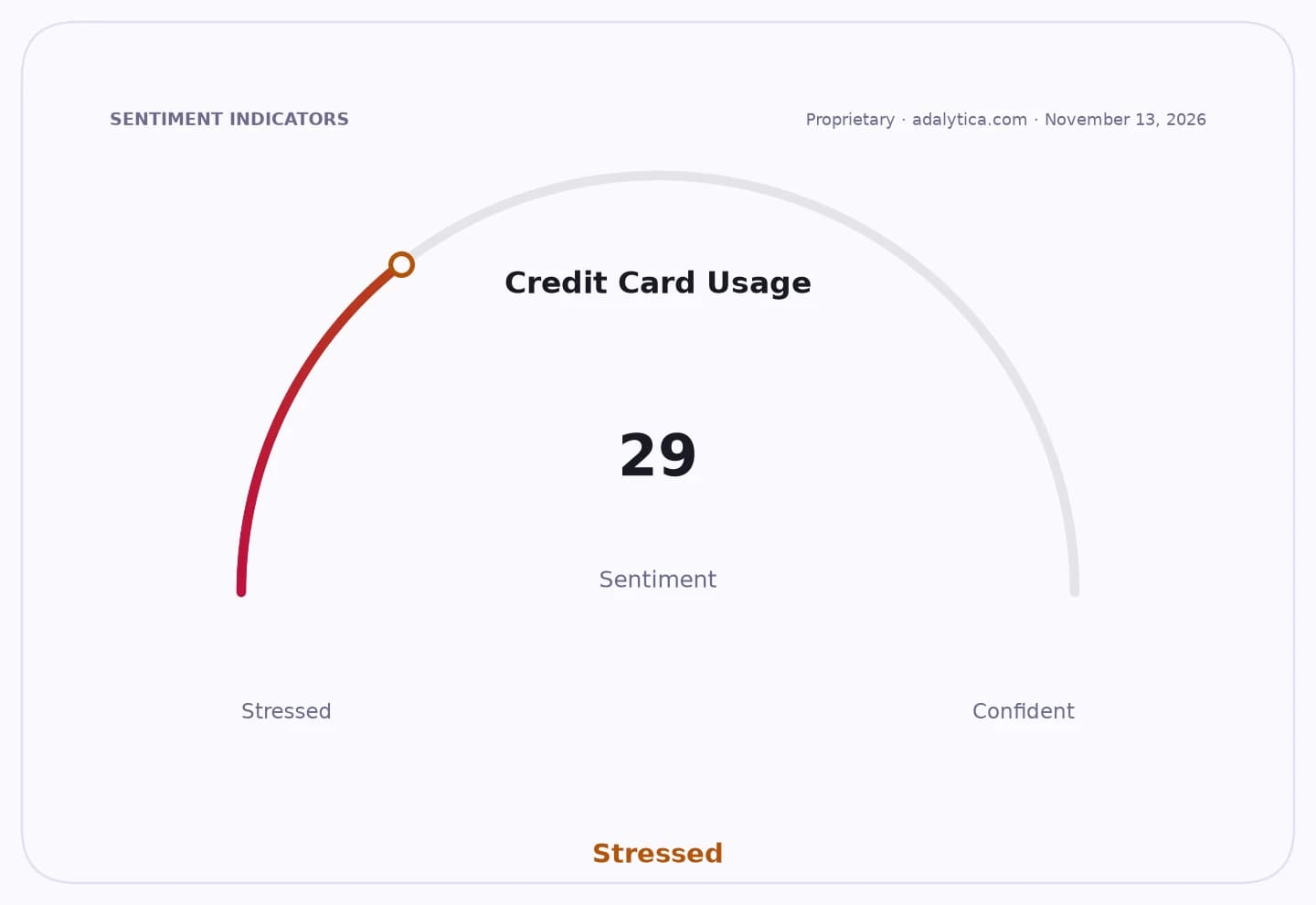
Sentiment Indicators
The approvals were part of a broader pipeline: 17 banks submitted 40 new-product applications over the period, including 16 payment card products, eight financing products and seven digital financial services. Islamic banks accounted for 10 of the filings, highlighting how the country’s lenders are testing multiple channels to capture consumer demand as payments digitize.
The central bank said it reviewed lending and repayment terms, customer disclosure and pricing compliance before granting approval. It did not disclose how many customers have used the products, how much has been financed or whether arrears are building, leaving investors without a read on whether the trend is still in its early, controlled phase or starting to strain borrowers.
Even so, the direction of travel is clear. Consumer credit for everyday spending rose 7.9% in 2025, while the “other loans” category climbed 16.2%, suggesting that demand for short-term borrowing is already broadening beyond traditional bank lending. At the same time, a 2025 circular now allows remote account opening, and five banks had launched the service by the first half of 2026, showing how payment reform and digital onboarding are advancing together.
For investors, the story is less about a single product than about Tunisia’s retail credit market being re-ordered by regulation. Banks that can move fast on compliant installment offers and digital customer acquisition may gain share, while lenders exposed to weaker underwriting or unclear repayment behavior could face higher credit risk if BNPL volumes scale quickly. The next gauge will be whether the central bank starts publishing usage or delinquency data.
| Entity | Gains | Losses |
|---|---|---|
| Tunisian banks | ▲New fee and credit growth channels | ▼Compliance and credit-risk burden |
| Consumers | ▲More payment flexibility | ▼Higher installment debt |
| Central bank | ▲Greater oversight of retail credit | ▼Less visibility without usage data |
| Cheque-based payments | ▲Reduced relevance | ▼Declining role in retail spending |