Turkey’s state water agency has found that land it owns is being occupied and used by private operators without payment, turning public property into a patchwork of restaurants, wedding halls, greenhouses and even a “floating hobby house” on a reservoir.
Turkey DSİ Audit Finds Unauthorized Land Use
That matters because this is not just a quirky real-estate story. It is a leakage problem for the public balance sheet. When a government agency cannot consistently defend, price and monetize its own assets, it loses revenue today and weakens incentives for orderly land use tomorrow. For investors, that is a reminder that property rights, enforcement and administrative discipline are core economic inputs — especially in markets where infrastructure, housing and land development depend on predictable rules.
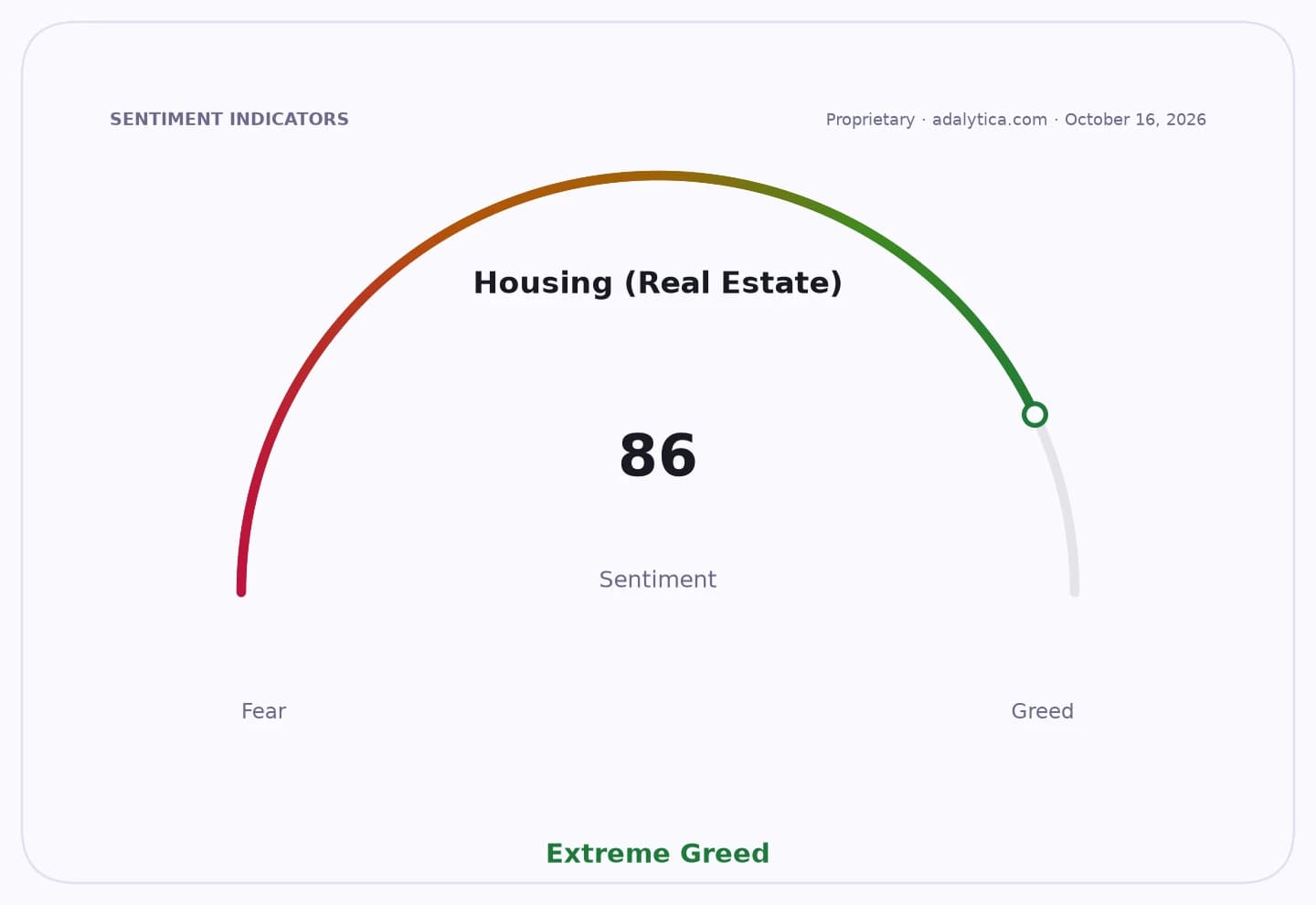
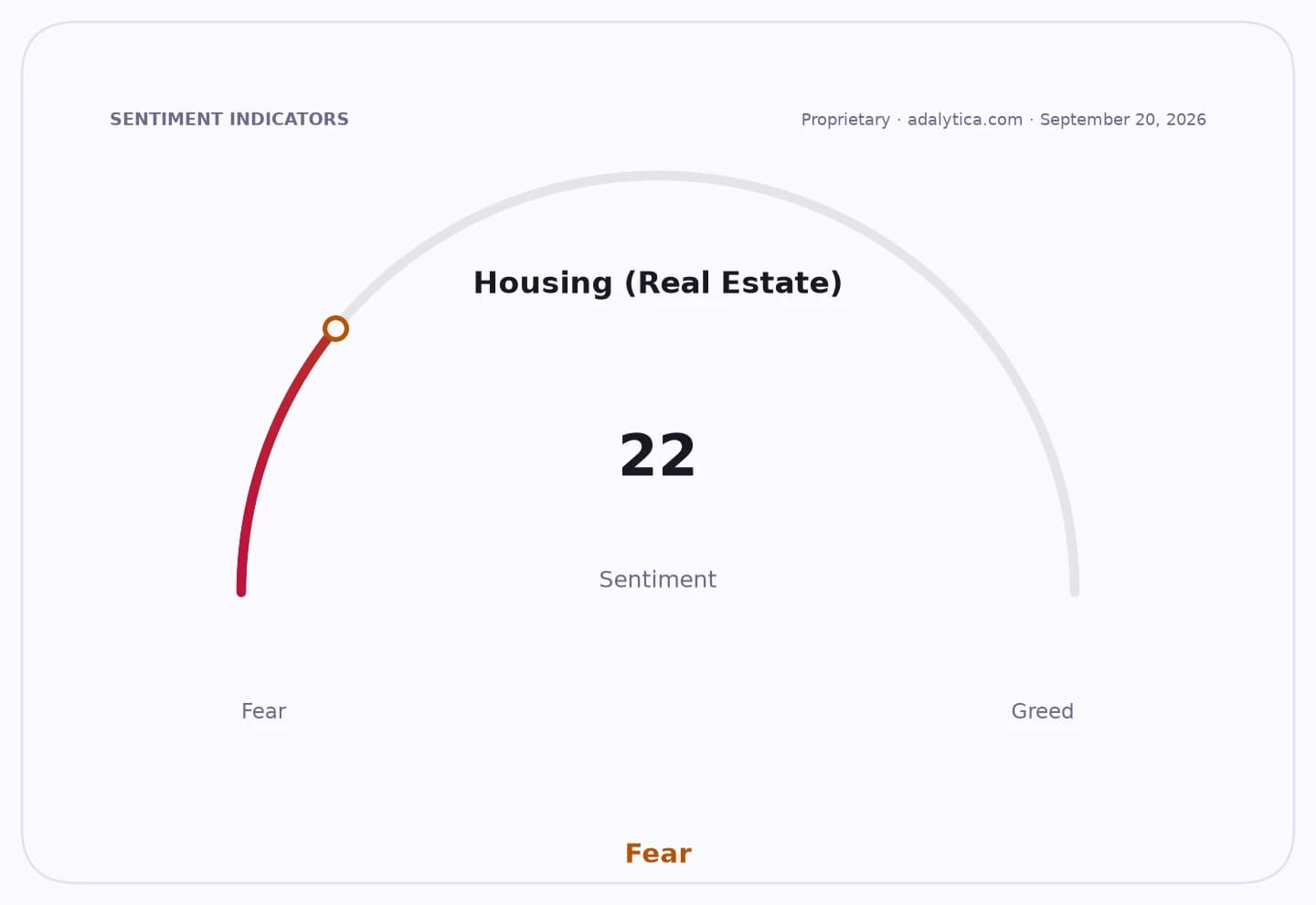
Sentiment IndicatorsⓘProprietary · adalytica.com · October 2, 2026
This is a snapshot — live sentiment, awareness and momentum for 130+ markets update continuously in the dashboard.Open AlphaPulse
A Turkish audit of the State Hydraulic Works, known as DSİ, said regional offices had identified unauthorized occupants of agency-owned land, yet the agency had not sought compensation in the form of ecrimisil, a type of back rent or occupancy charge. The report said the occupied sites included concrete buildings, sheds, agricultural activity, thermal hotel operations, cafes, tea gardens, restaurants and wedding halls. In one of the most striking examples, the audit said a “floating hobby house” had been built on a dam surface in the Kahramanmaraş region.
For the state, that is lost income on assets that already exist and should be producing value. For taxpayers, it is a form of quiet fiscal erosion: land that should support public services or be leased under formal terms is instead being used informally, often commercially, with no clear return flowing back to the budget. The audit also said some DSİ properties transferred to other public bodies, and properties transferred to DSİ by other agencies, were missing from financial statements — another sign that the asset register itself is not being managed tightly enough.
Investors should care because weak asset administration tends to spill beyond a single agency. It affects creditworthiness, public-sector efficiency and the broader investment climate, particularly in sectors tied to land, construction, utilities and tourism. When a government tolerates unauthorized use of its own holdings, it raises the risk that zoning, permitting and compensation processes will be slow, uneven or politically discretionary. That can distort land prices and make project economics harder to model.
The report says DSİ prepared a draft ecrimisil circular in 2026 and informed its organization, suggesting the agency now recognizes the scale of the problem. That is the right direction, but execution is what counts. Back rent is only meaningful if it is assessed, collected and enforced systematically.
For long-term investors, the broader lesson is straightforward: countries that protect and properly price public assets usually create better conditions for compounding private capital. Turkey’s growth story will not be determined by one dam-side hobby house, but these kinds of governance gaps matter. They tell you whether public resources are being managed as productive capital — or quietly treated as free real estate.
| Entity | Gains | Losses |
|---|---|---|
| DSİ and Turkish taxpayers | ▲Better asset control, possible back rent | ▼Lost revenue from occupation |
| Unauthorized occupants | ▲Free or cheap land use | ▼Risk of eviction and charges |
| Property-rights environment | ▲Tighter enforcement norms | ▼Informal land use and weak governance |
| Investors in Turkey | ▲Clearer rules if enforced | ▼Higher uncertainty if enforcement fails |