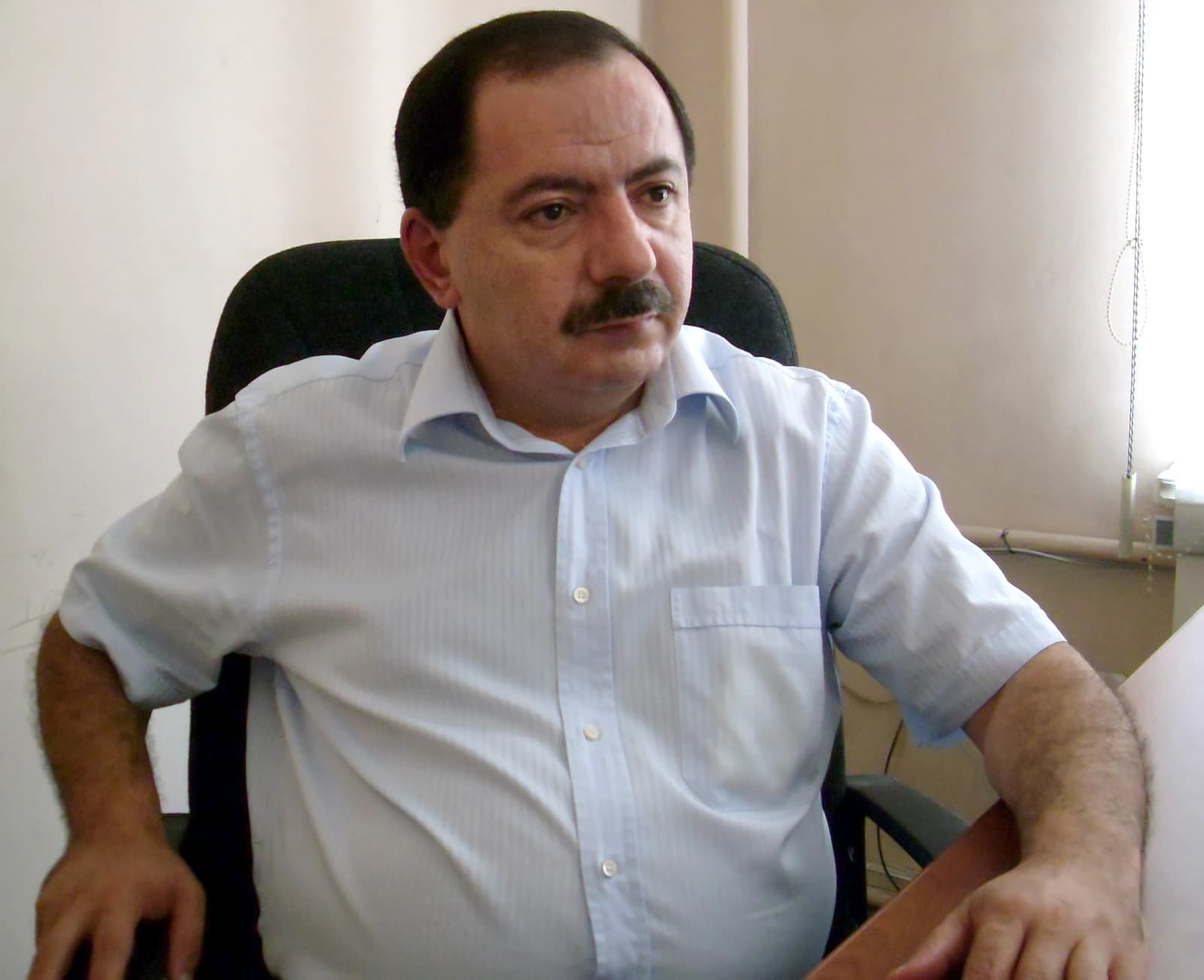
Armenia’s Prosecutor’s Office is seeking to confiscate real estate and about 235 million drams from Aghvan Vardanyan, a sitting lawmaker and former labour and social affairs minister, in a move that puts renewed focus on the state’s use of asset-forfeiture powers against senior political figures.
Armenia seeks to confiscate assets from Vardanyan
The demand matters because confiscation actions can shift meaningful private wealth back to the state and signal how aggressively Armenian authorities are pursuing unexplained-wealth cases. For investors and businesses, the broader relevance is institutional rather than market-specific: enforcement intensity shapes perceptions of rule of law, political risk and the security of property rights in a small economy where public-sector decisions still weigh heavily on capital allocation.
Sentiment IndicatorsⓘProprietary · adalytica.com · October 15, 2026
This is a snapshot — live sentiment, awareness and momentum for 130+ markets update continuously in the dashboard.Open AlphaPulse
The case against Vardanyan, who is also a member of the National Assembly, was reported by the Prosecutor’s Office as being brought in favour of the state. No further details were provided on the properties targeted or the legal basis for the claim, limiting immediate conclusions about the strength of the case or the assets involved.
Even so, the size of the demand is material in local terms. About 235 million drams is roughly $600,000, a sum that can matter in Armenia’s economy and underscores that the state is not limiting forfeiture efforts to symbolic actions. Such cases can also have a chilling effect on politically exposed persons and may encourage more rigorous disclosure, but they raise the opposite concern for critics: that enforcement tools could become a political pressure point if standards are not applied transparently.

For markets, the immediate read-through is not to equities or rates but to governance. Countries that demonstrate consistent anti-corruption enforcement can improve long-term investment confidence, while uneven or opaque prosecution can do the reverse. The key question now is whether this case is part of a broader, rules-based tightening around illicit assets or an isolated action with limited precedent value.
Investors watching Armenia will look for whether the proceedings are accompanied by further disclosures, court filings or additional forfeiture cases involving public officials. The more transparent the process, the stronger the signal for institutional credibility; the less detailed the case, the more it risks being viewed through a political lens.
| Entity | Gains | Losses |
|---|---|---|
| Armenian state | ▲Potential asset recovery | ▼Legal costs, scrutiny |
| Prosecutor’s Office | ▲Enforcement credibility | ▼Risk of politicization claims |
| Aghvan Vardanyan | ▲— | ▼Real estate, 235 mln drams |
| Investors in Armenia | ▲Stronger rule-of-law signal | ▼Higher governance uncertainty |