Turkey is intensifying its diplomatic campaign to cool tensions between Iran and the United States, even as fresh U.S. sanctions on Turkey-based entities highlight the risks of Ankara’s balancing act.
Turkey Pushes Iran-US Diplomacy as Sanctions Rise
President Recep Tayyip Erdogan said Turkey would continue “diplomatic efforts” to end the confrontation between Tehran and Washington after a call with UAE President Sheikh Mohamed bin Zayed Al Nahyan, underscoring Ankara’s bid to position itself as a regional broker rather than a bystander. The message matters because a widening Iran-U.S. conflict would threaten trade routes, energy flows and investor confidence across the Middle East, with Turkey exposed on all three fronts.
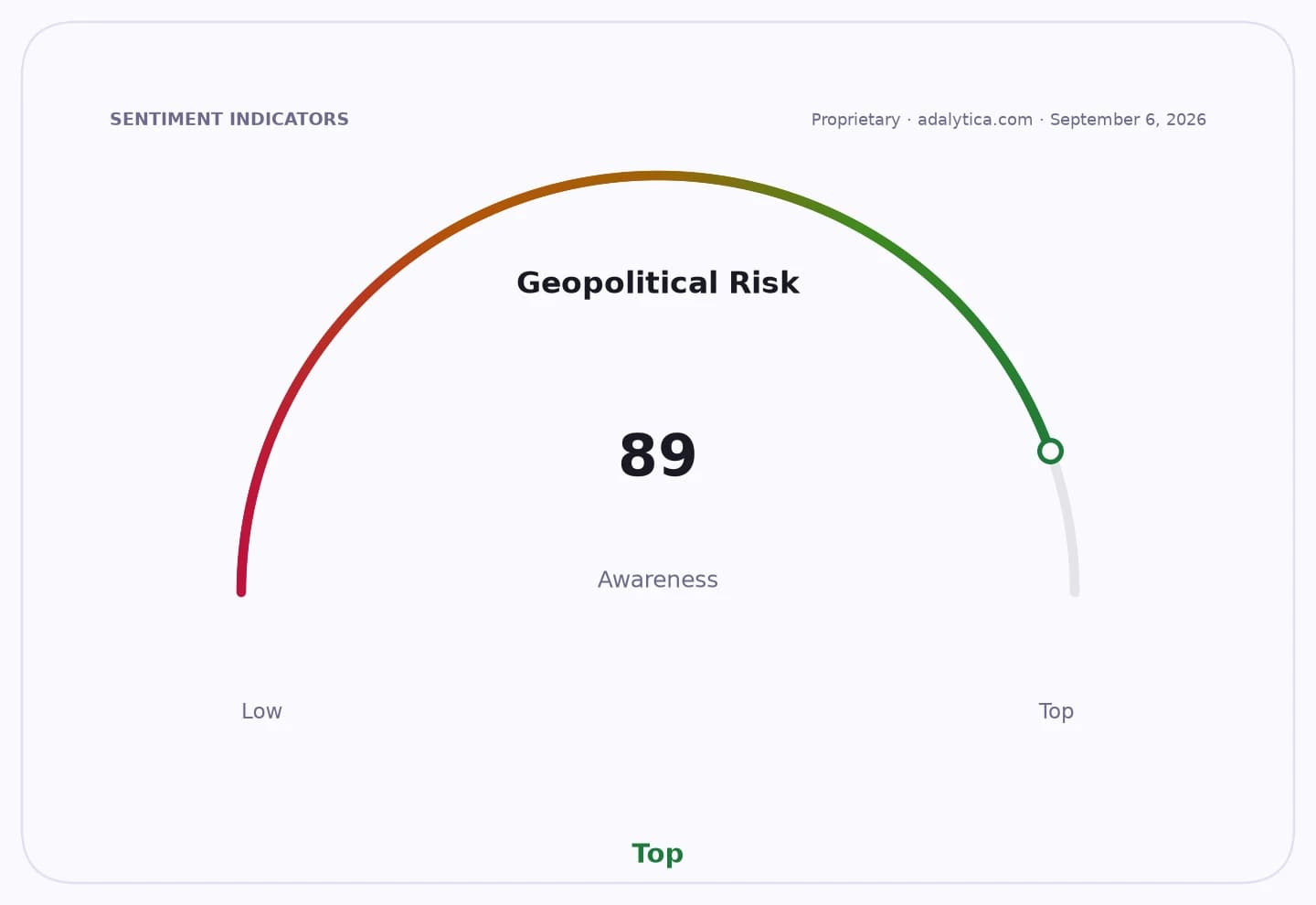
Sentiment IndicatorsⓘProprietary · adalytica.com · September 6, 2026
This is a snapshot — live sentiment, awareness and momentum for 130+ markets update continuously in the dashboard.Open AlphaPulse
The push comes at a delicate moment for Ankara. Turkey has also been discussing the state of U.S.-Iran negotiations with its own foreign minister, signaling that the effort is not a one-off statement but part of a broader diplomatic track. At the same time, Washington has imposed sanctions on three Turkey-based entities, including Golden Global Bank, over allegations that they helped channel funds for Iran’s Revolutionary Guards. That raises the cost of neutrality for Turkish institutions and increases the risk that financial links with Iran become a direct liability.
For investors, the immediate issue is not just geopolitics but policy spillover. Any escalation between Iran and the U.S. would tend to lift regional risk premia, pressure Turkish assets and complicate access to dollar funding for banks and corporates seen as exposed to sanctions compliance issues. A successful mediation effort, by contrast, would support Turkey’s standing with Gulf partners and help reduce the probability of further secondary sanctions or tighter enforcement.
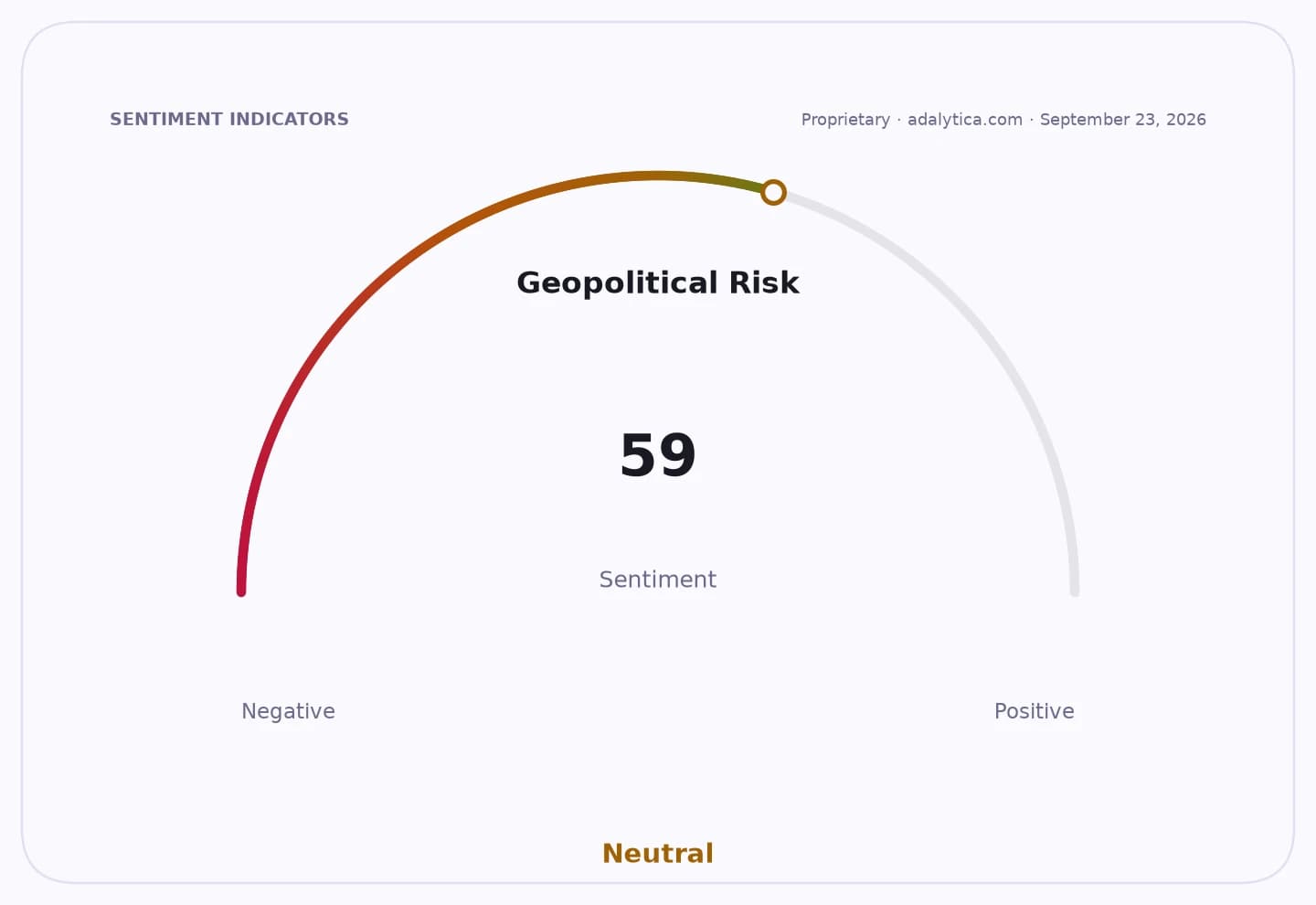
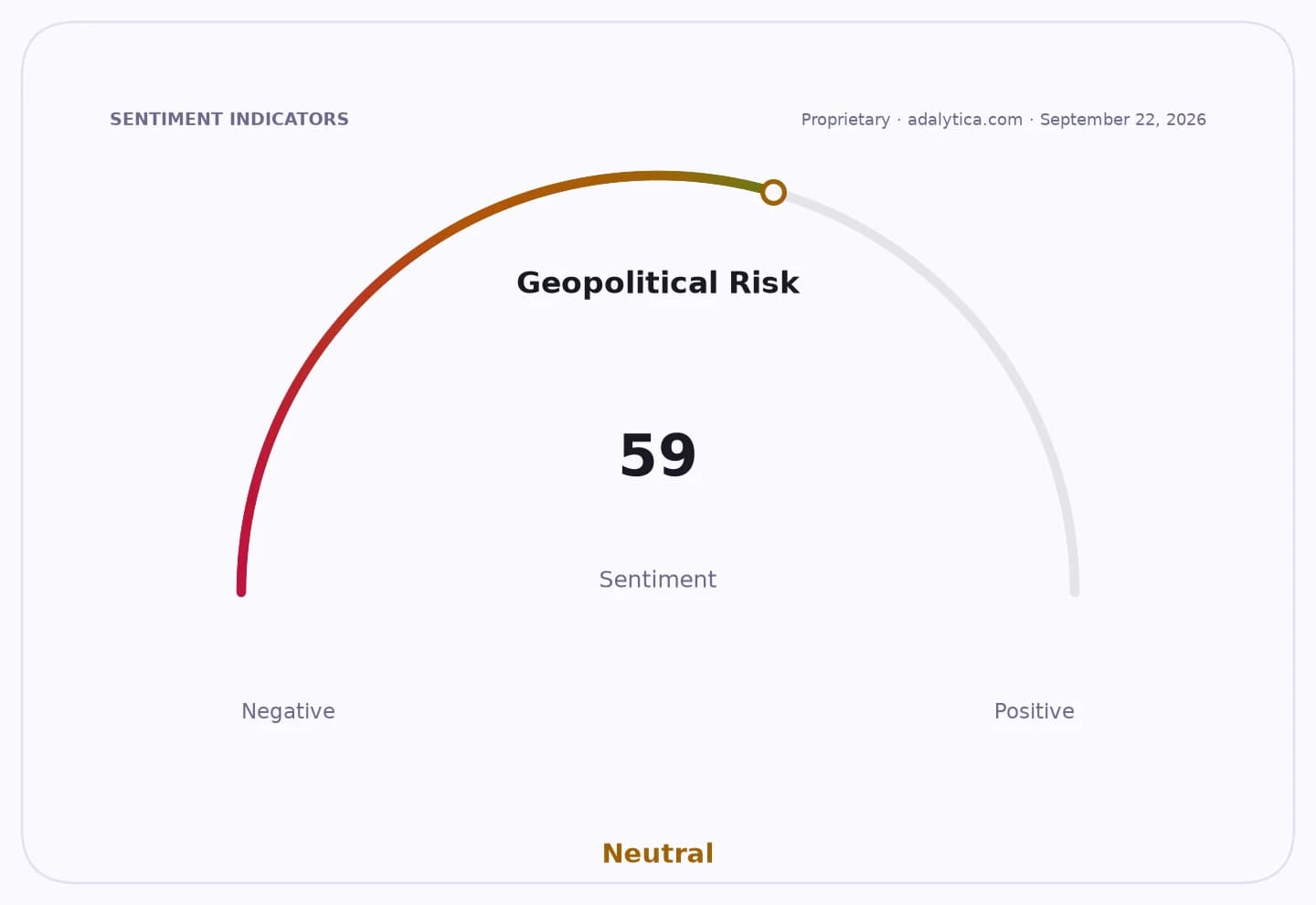
Geopolitical Risk — 30-day sentimentadalytica.com
Explore this data interactively — full history, time series and cross-market comparisons.Open AlphaPulse
Erdogan is also trying to broaden Turkey’s diplomatic value proposition. In the same call, he and the UAE leader discussed expanding cooperation in defense and the economy, suggesting Ankara wants regional security influence to translate into commercial ties. That approach fits Turkey’s wider foreign-policy strategy: keep channels open with Iran, preserve ties with the West, and use regional mediation to gain leverage in both directions.
The market signal is that the story is now as much about sanction risk as diplomacy. Turkey’s role as a bridge between rival camps can be an asset when tensions ease, but it becomes a vulnerability if Washington decides Ankara is enabling Tehran’s financial networks. Investors will be watching for any follow-up U.S. actions, signs of movement in Iran-U.S. talks, and whether Turkey’s mediation efforts can slow the drift toward deeper confrontation.
| Entity | Gains | Losses |
|---|---|---|
| Turkey | ▲Diplomatic relevance | ▼Sanctions exposure |
| Iran | ▲Regional interlocutor | ▼Isolation pressure |
| United States | ▲Sanctions leverage | ▼Negotiation flexibility |
| Turkish banks/firms | ▲Gulf ties if tensions ease | ▼Compliance and funding risk |