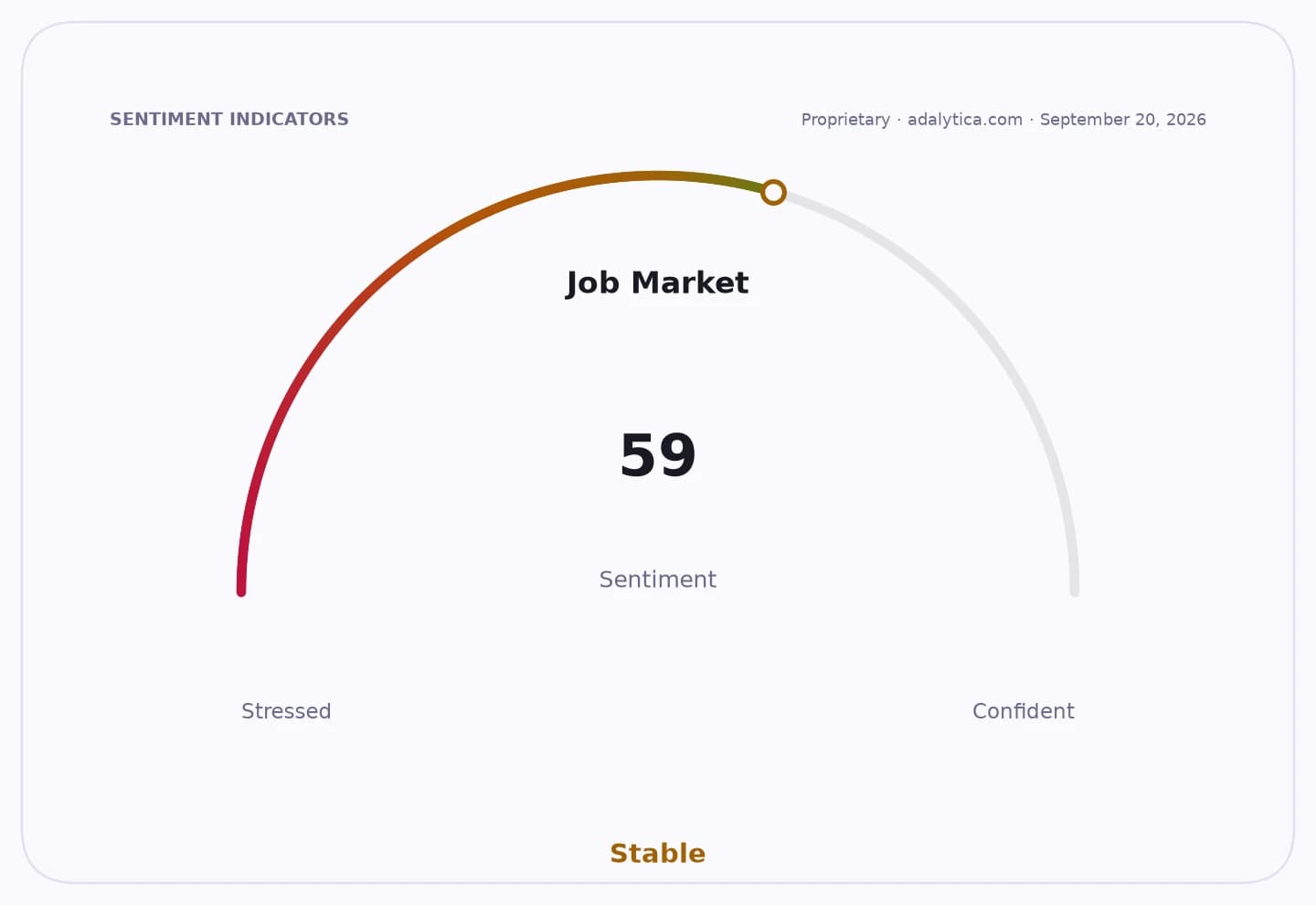
Turkey’s state job agency said it helped place more than 947,000 people into work in the first eight months of the year, a sign the labor market is still generating enough demand to keep hiring flows moving despite a volatile macro backdrop.
Turkey ISKUR reports 947,000 job placements
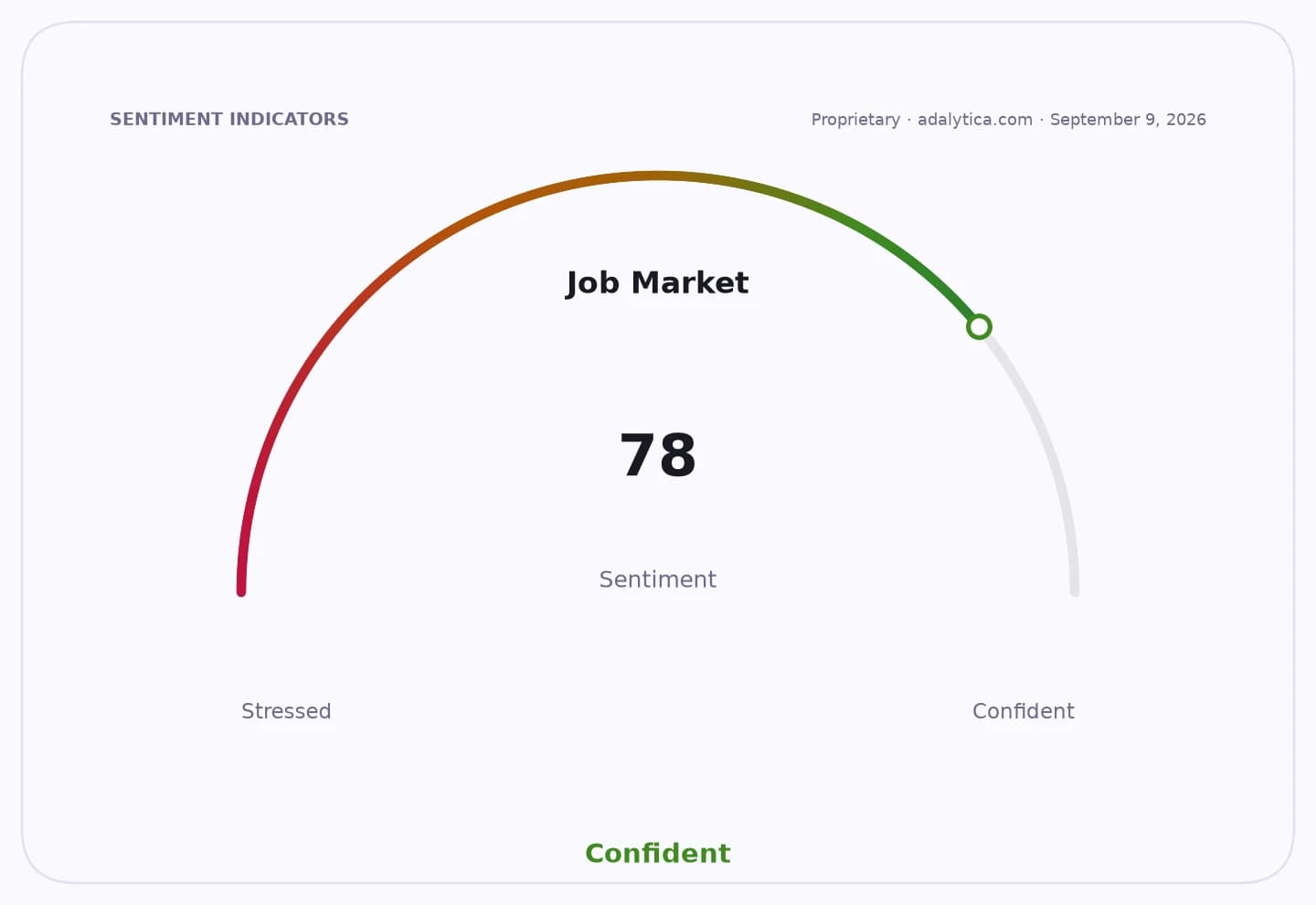
That matters because employment remains one of the cleanest real-time gauges of domestic momentum in Turkey, where policymakers are trying to keep growth on track without letting inflation regain too much traction. Vedat Işıkhan, the labor minister, said İŞKUR also held more than 2.2 million individual interviews and identified over 1.6 million open jobs sought by employers, underscoring that companies are still recruiting across the economy.
The number is important economically for two reasons. First, it suggests Turkish firms have not meaningfully stepped back from hiring, even as higher rates, tighter financial conditions and slower global demand continue to weigh on the outlook. Second, it gives the government room to argue that its labor-market policies are still working alongside the medium-term economic program, which is designed to support employment while gradually restoring stability.
For investors, that points to a labor market that may be more resilient than the market assumes. A steady pace of placements helps support consumer income, local spending and corporate revenue in domestically exposed sectors. It also reduces the odds of a sharp deterioration in activity that would force the central bank or government into a more aggressive response.
The message from Ankara is also political as much as economic: officials want to show that job creation remains a central plank of policy. The labor ministry said it will continue matching workers with openings based on current market needs, a reminder that Turkey is trying to manage both growth and social pressures at the same time.
For markets, the key question now is whether this hiring momentum can persist into the final months of the year. If it does, Turkey’s growth story looks sturdier than the prevailing caution suggests. If it fades, the strain will quickly show up in consumption, credit quality and corporate earnings.
| Entity | Gains | Losses |
|---|---|---|
| Turkish job seekers | ▲More placements | ▼Less bargaining power |
| Employers | ▲Faster hiring | ▼Wage pressure |
| Turkey economy | ▲Stronger employment | ▼Inflation risk |
| Policymakers | ▲Policy credibility | ▼If momentum fades |