Turkey’s public-sector unions are stepping up pressure on the statistics office as August inflation eases to 31.5% year on year but still leaves millions of workers and pensioners facing a sharp erosion in purchasing power.
Turkey unions protest August inflation data

The Bağımsız Kamu Sendikaları Konfederasyonu, or KASK, rallied outside the Turkish Statistical Institute, known as TÜİK, in Ankara on Tuesday, arguing that the official data understate the cost of living and calling for wages and pensions to be indexed more directly to inflation. The protest came after TÜİK said consumer prices rose 1.84% in August, a figure the unions say bears little resemblance to grocery bills, rents and utility costs.
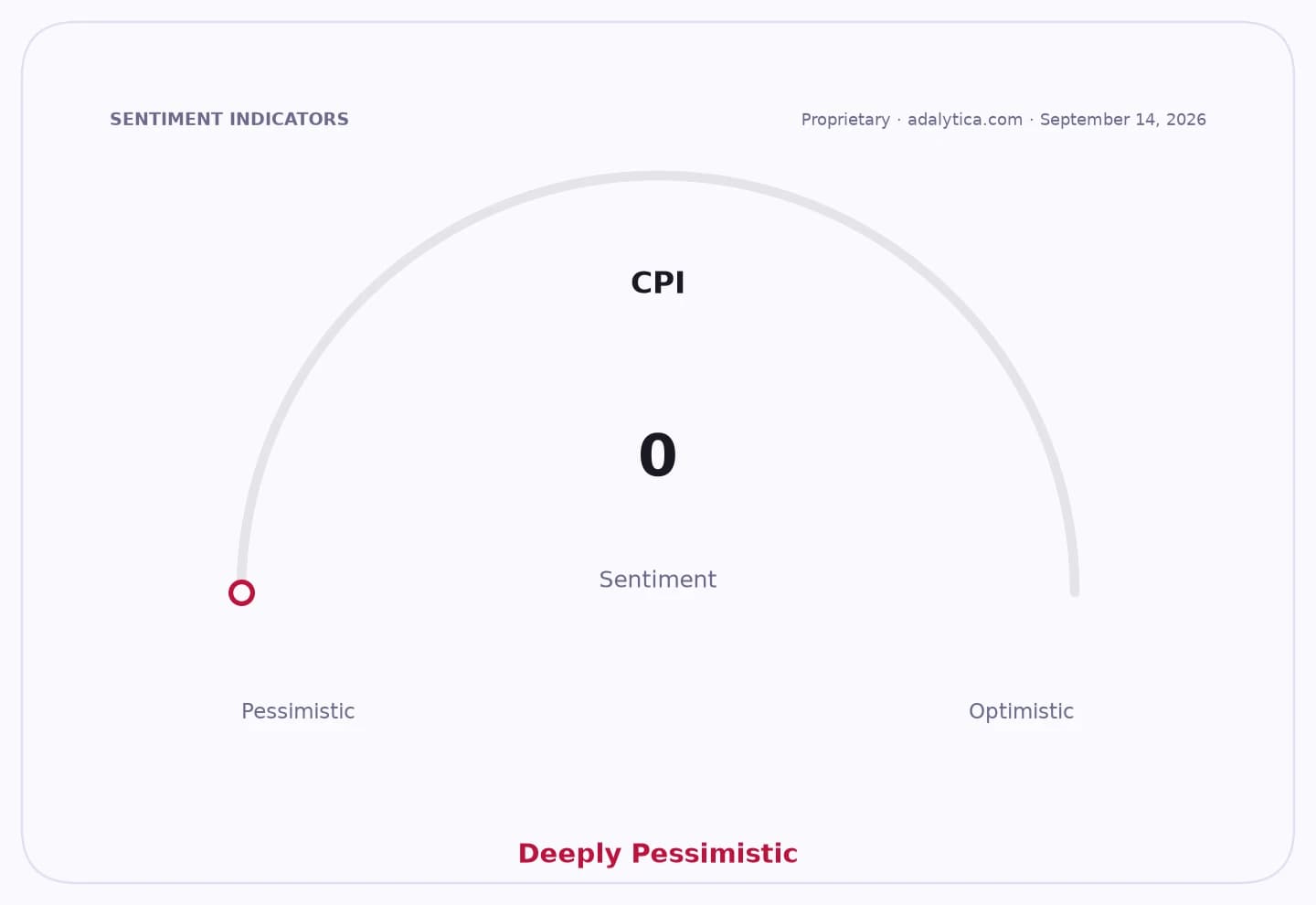
Sentiment IndicatorsⓘProprietary · adalytica.com · September 5, 2026
This is a snapshot — live sentiment, awareness and momentum for 130+ markets update continuously in the dashboard.Open AlphaPulse
The dispute matters because the official inflation print feeds directly into public-sector pay talks and pension adjustments in a country where inflation remains one of the biggest economic and political flashpoints. KASK said the poverty threshold has climbed above 120,235 lira, while housing costs for a 100-square-meter home have surged to 28,402 lira nationally, 40,000 lira in Istanbul and about 26,000 lira in Ankara and Izmir.
The unions also highlighted the widening gap between Turkey’s official inflation readings and those published by alternative groups such as ENAG, which said prices rose 2.24% in August. For workers, the gap is more than an academic debate: it shapes expectations for pay rises, retirement income and the real value of state support.
Investors watch these disputes closely because they feed into the outlook for inflation, real rates and monetary policy credibility. Türkiye’s central bank has been trying to bring price growth under control while balancing growth and financial stability, and persistent skepticism around official data can complicate that effort.
Turkish markets have already been tracking signs of cooling inflation, with annual consumer price growth easing to 31.5% in August, the lowest since March, but the pace remains far above the central bank’s target. KASK said that unless inflation is reflected more fully in wages, the burden will keep shifting onto salaried workers, retirees and households already squeezed by food, housing and transport costs.
The next flashpoint is likely to be the ninth round of collective bargaining for public workers, with unions vowing to push harder for automatic inflation pass-through and bigger pay protection if price pressure remains elevated.
| Entity | Gains | Losses |
|---|---|---|
| Public-sector unions | ▲More leverage in wage talks | ▼Less room for restrained pay deals |
| TÜİK | ▲Defends official credibility | ▼Faces stronger data skepticism |
| Turkish workers and pensioners | ▲Higher pay claims gain support | ▼Real incomes stay under pressure |
| Turkish policymakers | ▲Lower inflation aids disinflation narrative | ▼Social tension rises if wages lag |