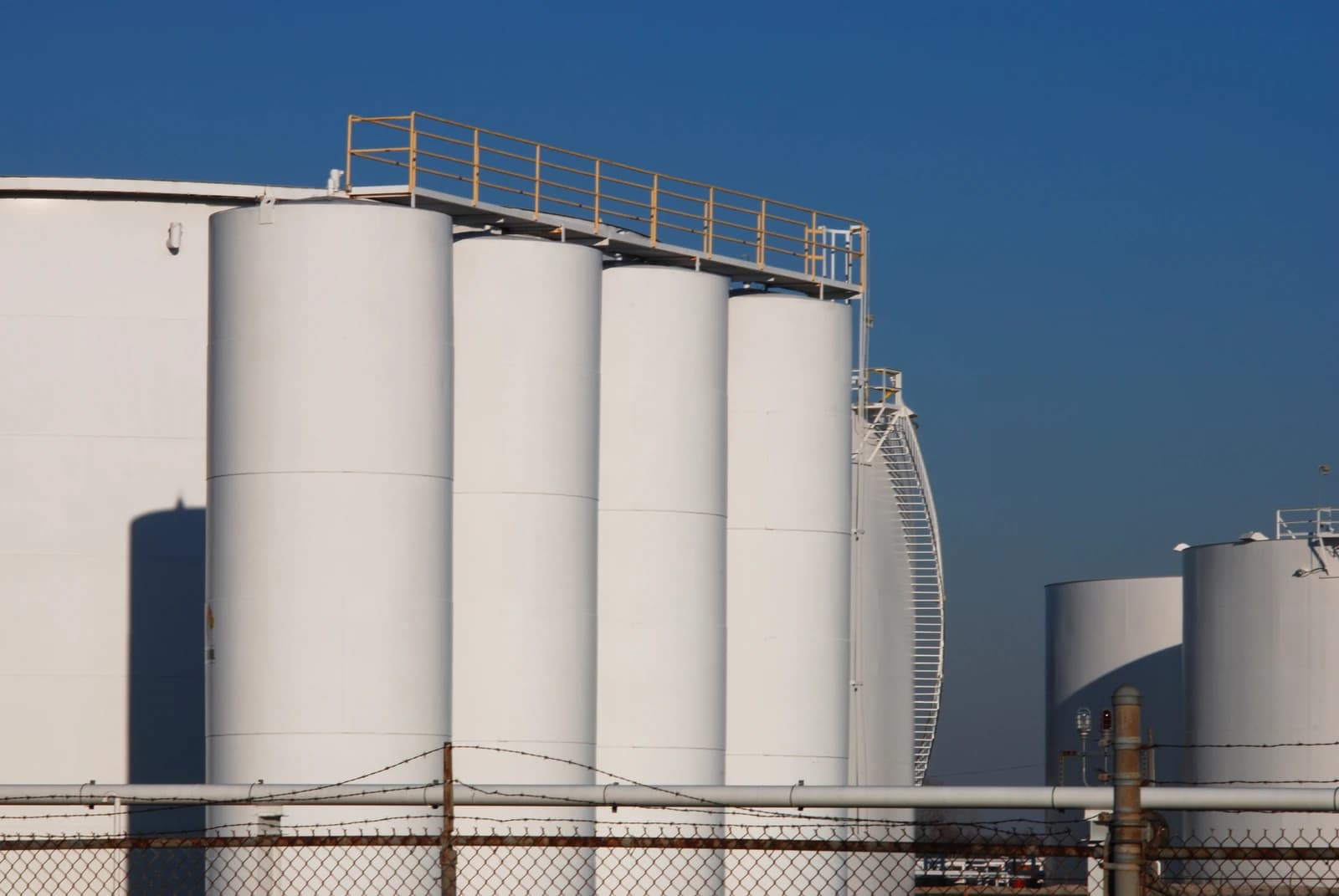
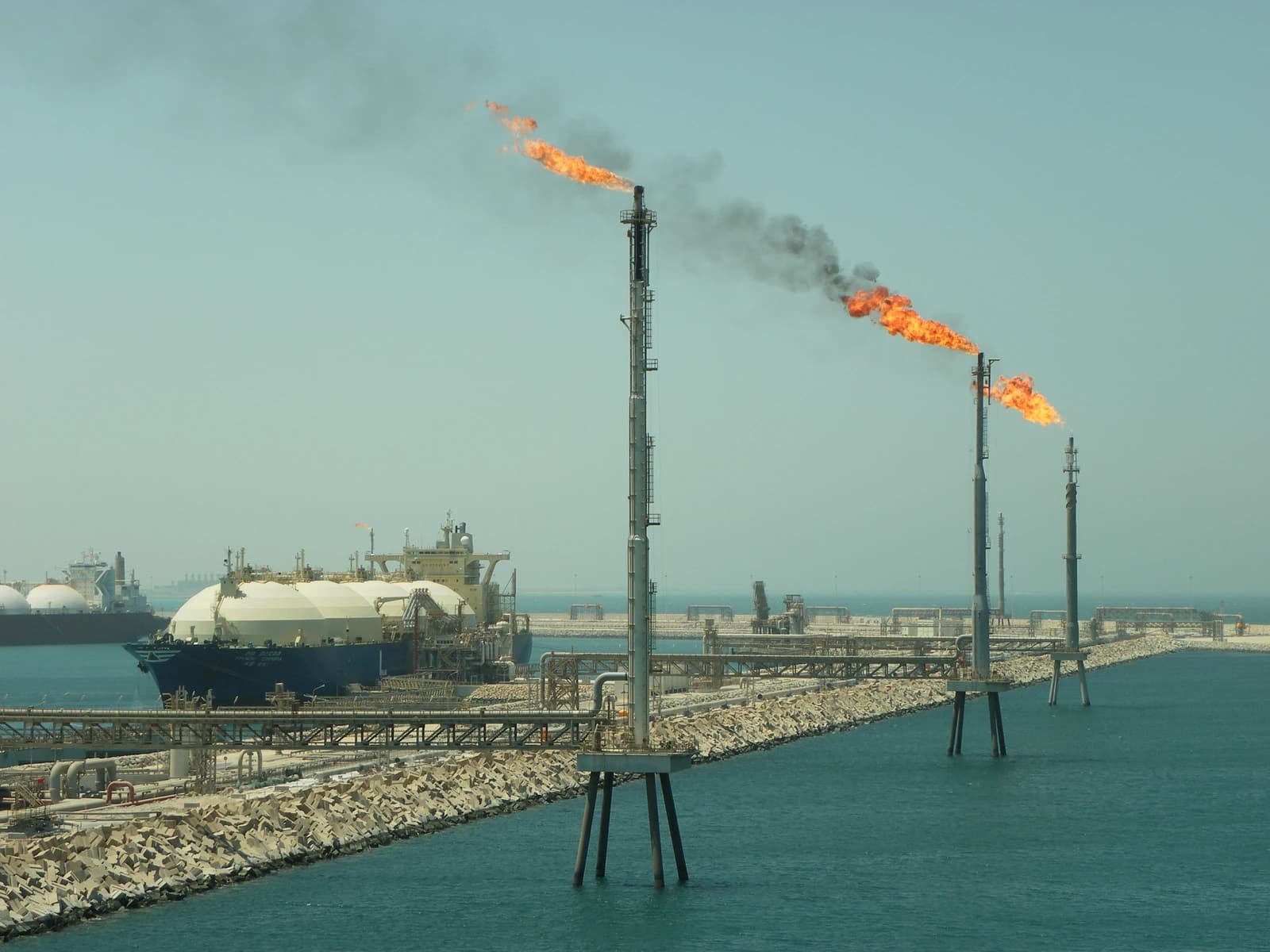
Iron cages around oil reservoirs in the UAE are the latest visible sign that Gulf producers are hardening energy infrastructure as security risks in the Strait of Hormuz spill from geopolitics into markets.
UAE adds cages around oil reservoirs
The move matters because the UAE sits inside one of the world’s most important oil-exporting corridors, where even limited disruptions can tighten prompt crude supply, lift freight and insurance costs, and keep a geopolitical premium embedded in prices. Brent futures have held around the mid-to-high $80s, with the front-month contract at $87.06 on Aug. 21, while U.S. crude ETF USO has climbed to $134.64 and the energy sector ETF XLE to $63.64, reflecting investor demand for direct exposure to higher oil and a more defensive stance on supply risk.
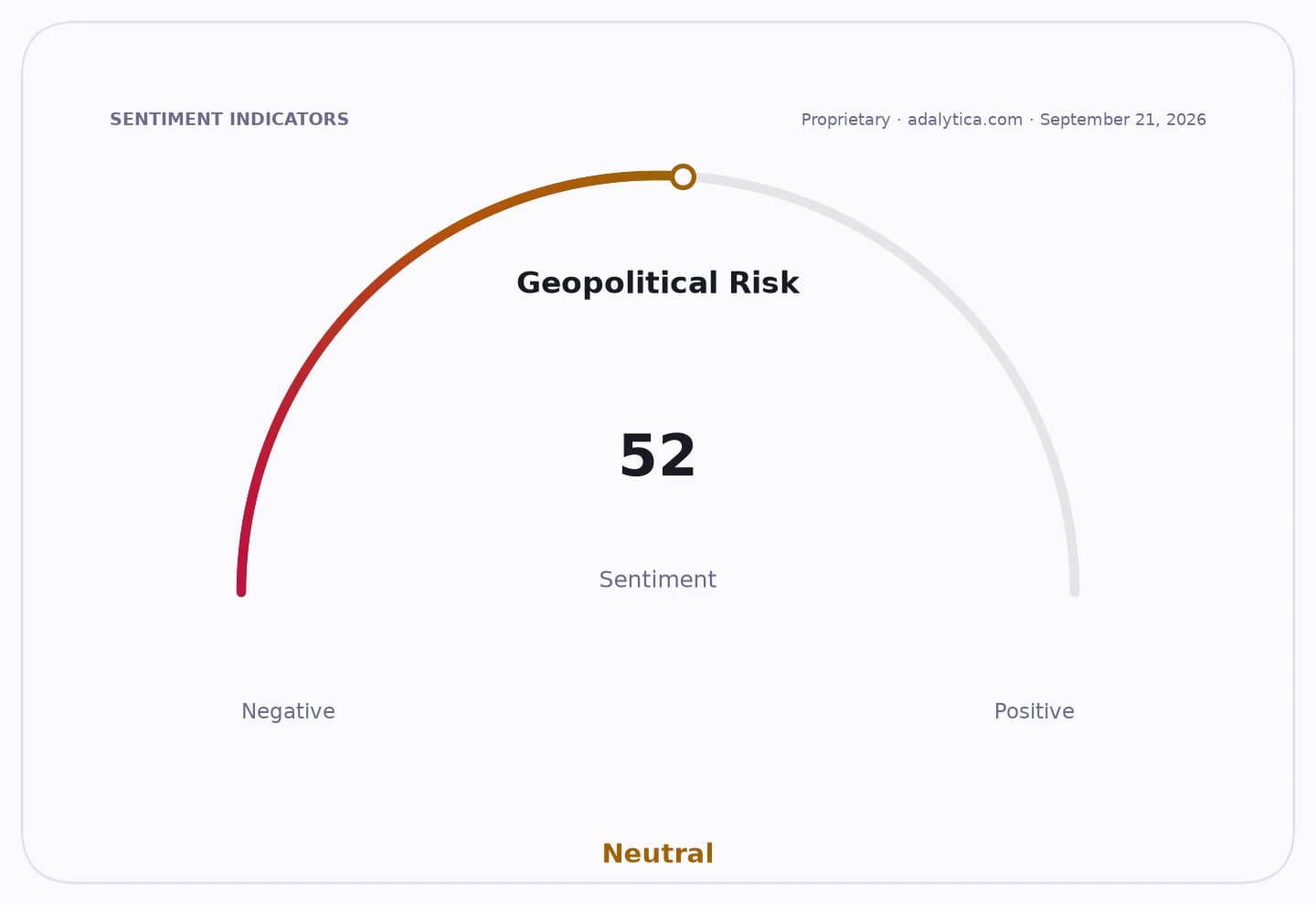
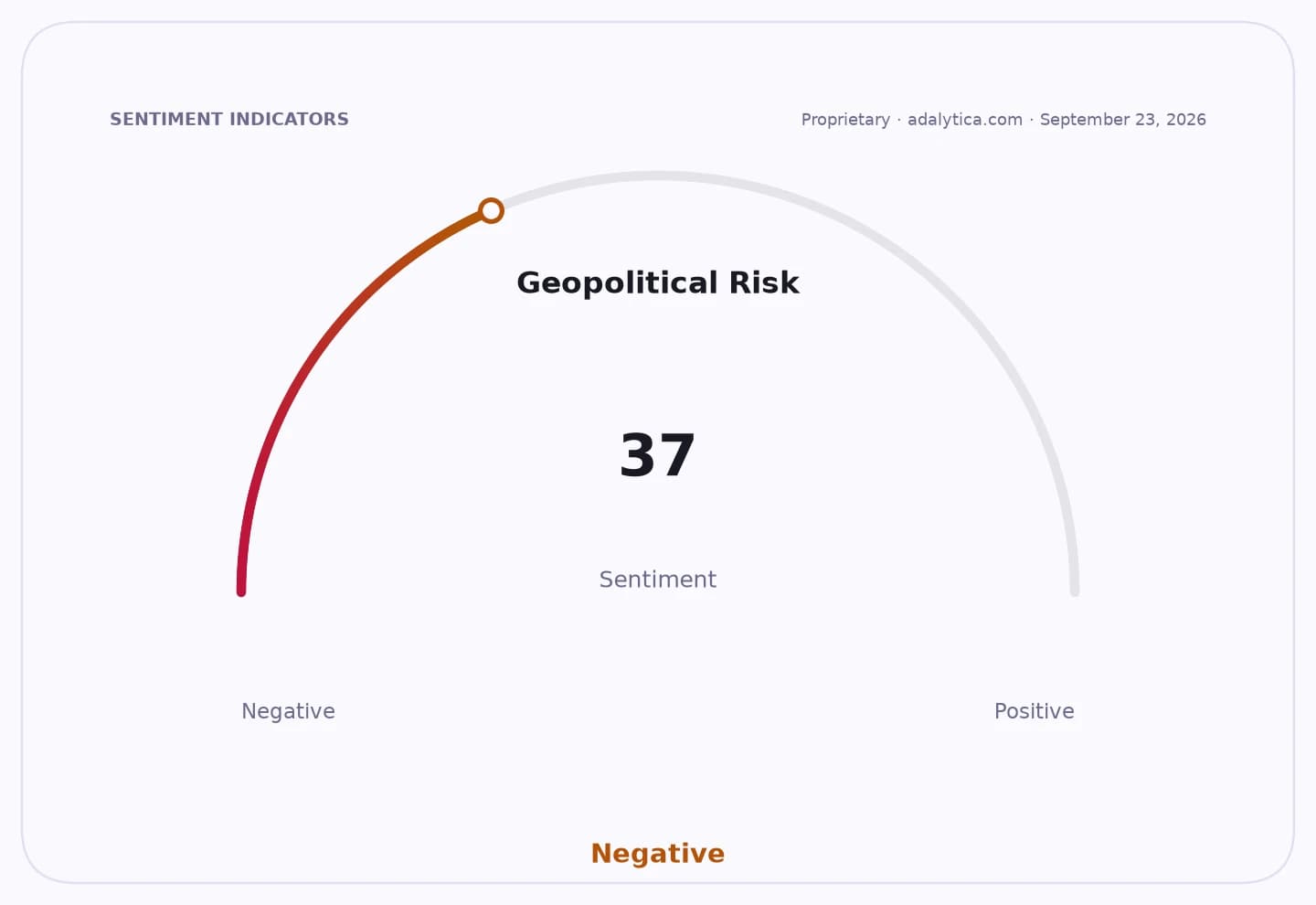
Sentiment IndicatorsⓘProprietary · adalytica.com · August 23, 2026
This is a snapshot — live sentiment, awareness and momentum for 130+ markets update continuously in the dashboard.Open AlphaPulse
The cages are a practical response to a broader pattern of escalation in and around the waterway. The UAE has accused Iran of attacking vessels linked to state-run oil companies, and the summary of recent incidents points to missile strikes, threats against Gulf allies and continued disruptions to shipping through Hormuz. That is economically important well beyond the Gulf: the strait is a chokepoint for a large share of seaborne crude, so any sustained rise in perceived risk can ripple through global inflation, tanker rates and refinery margins even if physical exports are not immediately shut in.
For investors, the story is less about one security measure than about the persistence of the risk premium. Oil producers and integrated majors tend to benefit when supply fears keep benchmark prices elevated, particularly if the market starts pricing in a longer period of constrained flow. The recent move in XLE above both its 50-day and 200-day moving averages suggests energy equities are participating in the crude rally, though the sector can be vulnerable if higher prices eventually trigger demand destruction or a diplomatic thaw reduces the fear bid.
The biggest losers are import-dependent economies, airlines, chemical users and refiners that cannot fully pass through feedstock costs. A sustained Hormuz risk also complicates the policy outlook for central banks already managing sticky inflation, especially if crude holds above the levels that typically feed through to transport and consumer prices with a lag.
The immediate question is whether the UAE’s fortification is a temporary precaution or the start of a more permanent security architecture around regional oil infrastructure. If tensions remain elevated, the market is likely to keep treating Gulf supply as fragile and energy as a hedge; if diplomacy gains traction, part of the premium could unwind quickly, exposing short-term longs in crude-linked assets.
| Entity | Gains | Losses |
|---|---|---|
| UAE oil producers | ▲Better asset protection | ▼Higher security costs |
| Oil bulls / energy stocks | ▲Persistent risk premium | ▼Less upside if tensions ease |
| Oil importers / airlines | ▲— | ▼Higher fuel and freight costs |
| Global consumers / central banks | ▲— | ▼More inflation pressure |