Uganda’s shilling and Ghana’s cedi are poised to weaken further over the coming week as strong demand for dollars from energy importers, businesses and foreign investors keeps pressure on both currencies.
Uganda Shilling and Ghana Cedi Face Dollar Demand

In Uganda, the shilling is already trading at 3,780/3,790 to the dollar, down from 3,750/3,760 last Thursday, as firms rush to cover fuel and other hard-currency needs. Traders said concerns over Middle East volatility are sustaining that demand, keeping banks and corporates in the market for dollars.
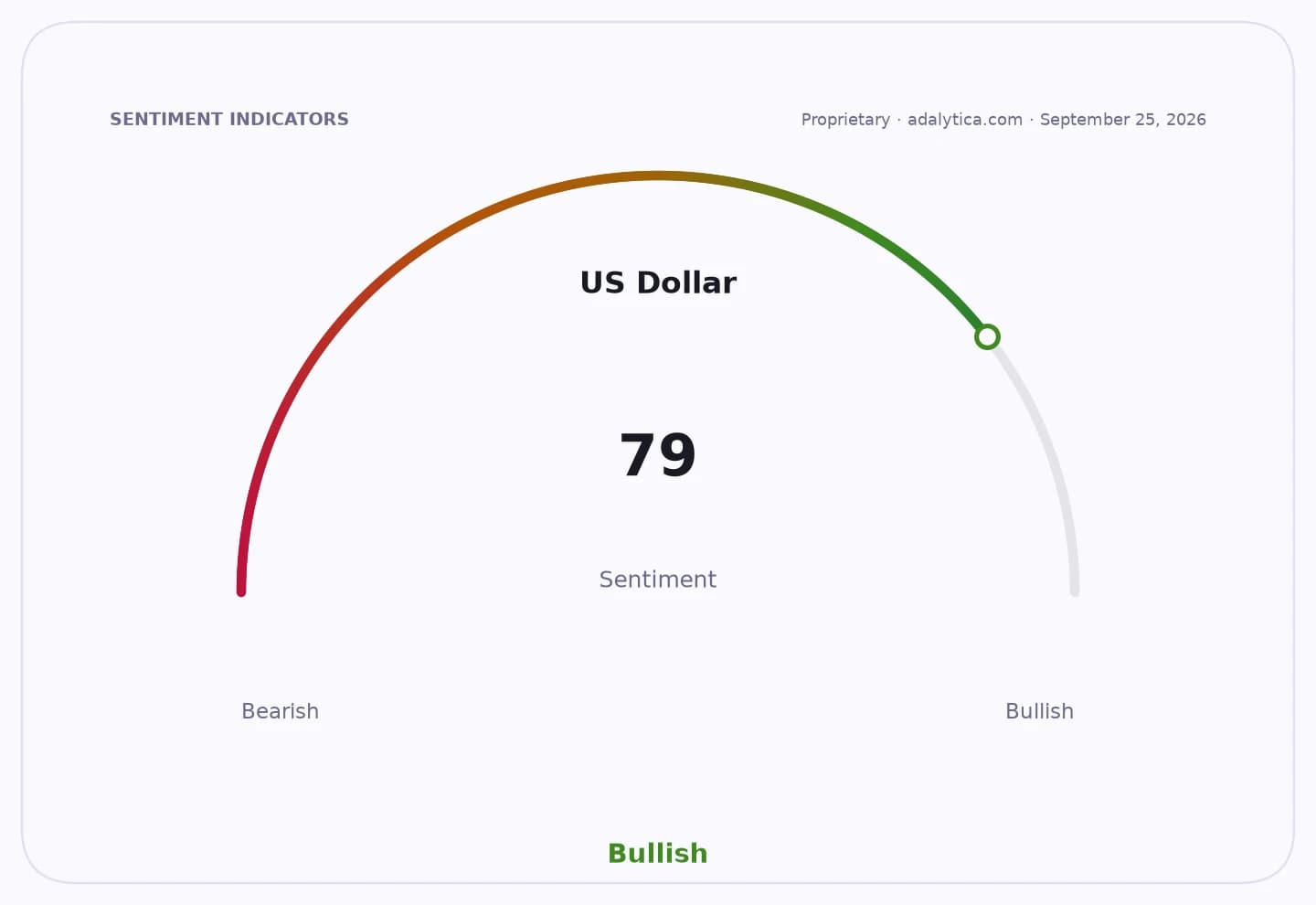
Sentiment IndicatorsⓘProprietary · adalytica.com · September 3, 2026
This is a snapshot — live sentiment, awareness and momentum for 130+ markets update continuously in the dashboard.Open AlphaPulse
Ghana’s cedi is under a similar strain. It slipped to 11.30 per dollar from 11.20 a week earlier, with traders citing persistent import-related demand, as well as foreign portfolio investors seeking coupon repatriation. Absa Bank Ghana’s Andrews Akoto said recent central bank FX auctions have drawn strong bidding, underscoring how quickly dollar demand is absorbing official supply.
The move matters because weaker local currencies raise the cost of imports, especially fuel and other essentials, and can feed inflation in economies that rely heavily on foreign-currency purchases to keep trade flowing. For Uganda, higher oil-import bills can add pressure to already fragile external balances. For Ghana, a softer cedi also complicates efforts to stabilize inflation and preserve investor confidence after years of currency stress.
By contrast, Kenya’s shilling and Zambia’s kwacha are seen holding relatively steady. Kenya’s currency was little changed at 129.35/55 per dollar, while Zambia’s kwacha was quoted at 19.37, supported by copper prices and reduced speculative pressure.
For investors, the split highlights where dollar shortages remain most acute in frontier Africa. Persistent weakness in Uganda and Ghana can lift hedging costs, hurt local bond returns in dollar terms and keep pressure on central banks to use reserves or auctions more aggressively. The next test will be whether hard-currency demand eases as oil-price and geopolitical volatility settle, or whether both currencies extend their losses into mid-September.
| Entity | Gains | Losses |
|---|---|---|
| U.S. dollar | ▲Safe-haven demand | ▼None |
| Ugandan shilling | ▲— | ▼Importers, borrowers |
| Ghanaian cedi | ▲— | ▼Importers, portfolio outflows |
| Kenya shilling / Zambia kwacha | ▲Relative stability | ▼Limited upside from dollar strength |