The UK has clarified that seven work visa routes now fall under a five-year maximum stay rule, tightening the framework for multinational companies that rotate employees into Britain and for foreign workers who rely on repeat assignments.
UK tightens five-year cap on work visa routes
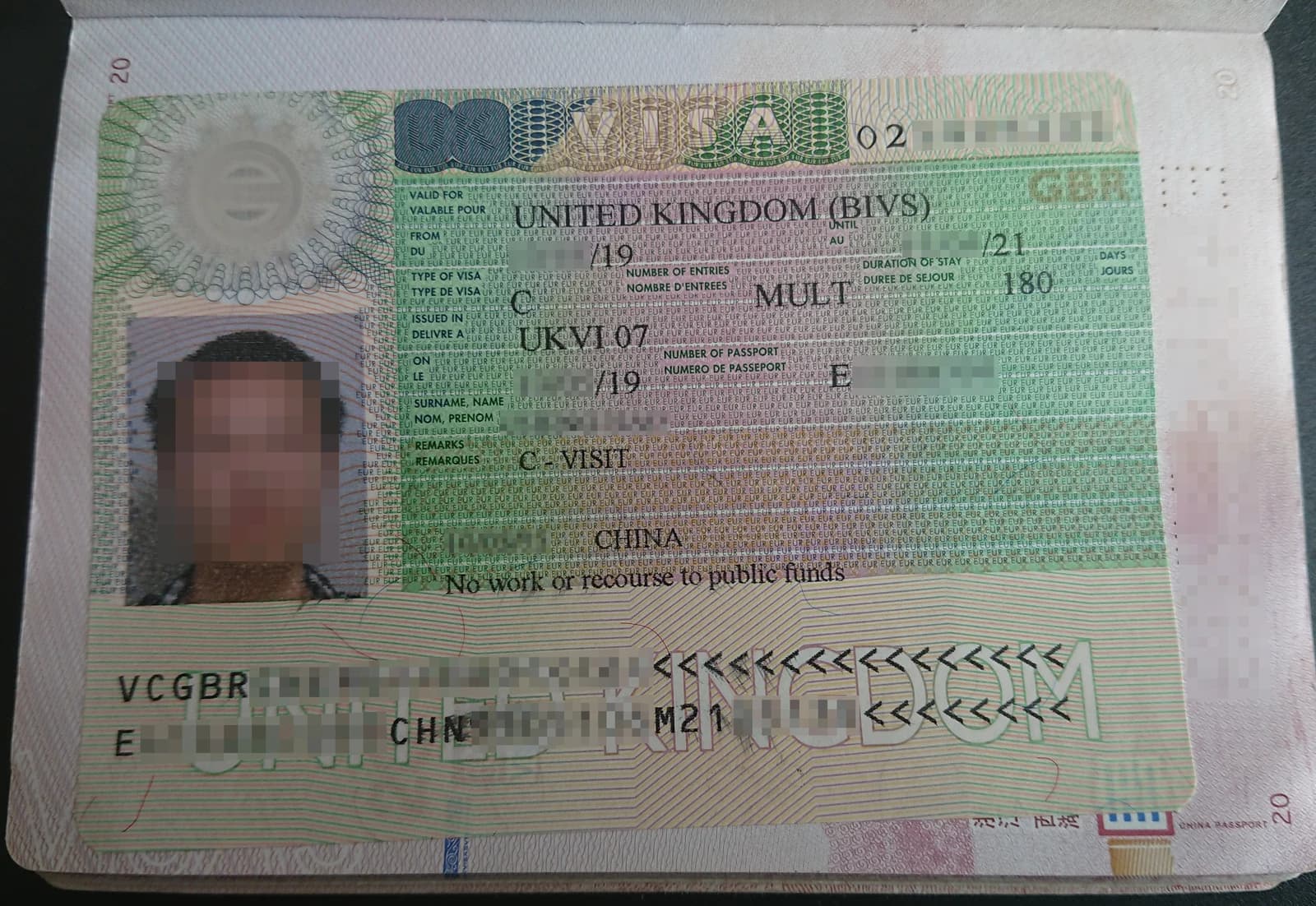
The guidance matters because it sets a hard limit on how long holders of several business mobility visas can remain in the country over a rolling six-year period, reducing flexibility for employers that use the UK as a regional base and for workers planning long-term transfers. It also adds a pre-application hurdle: applicants must have worked for their sponsoring employer outside the UK for at least three continuous months before applying.
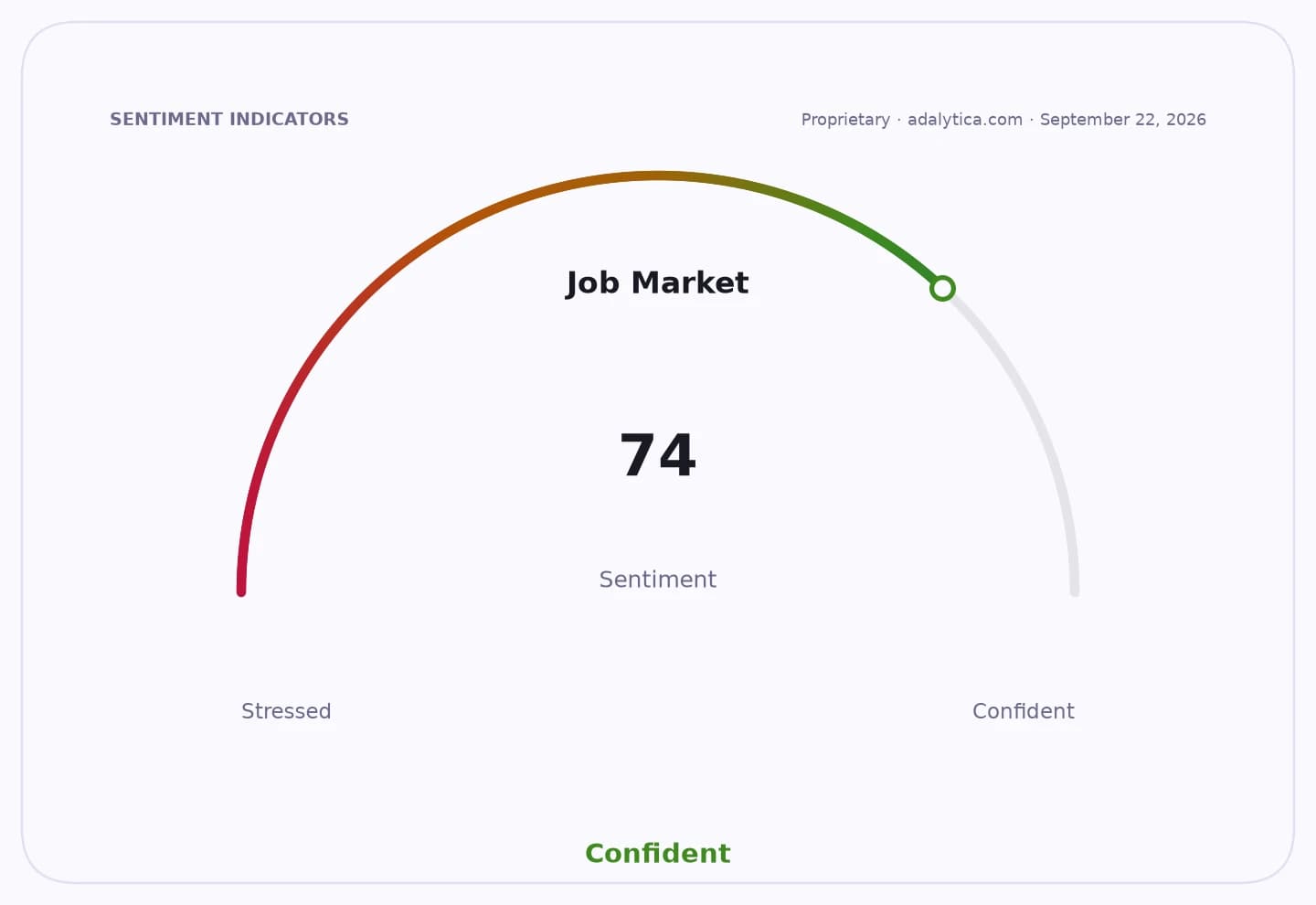
Sentiment IndicatorsⓘProprietary · adalytica.com · September 4, 2026
This is a snapshot — live sentiment, awareness and momentum for 130+ markets update continuously in the dashboard.Open AlphaPulse
The affected routes include the Intra-company Transfer and Intra-company Graduate Trainee visas, plus five Global Business Mobility categories: Graduate Trainee, Secondment Worker, Senior or Specialist Worker, Service Supplier and UK Expansion Worker. That puts the cap squarely on the visa channels most often used by multinationals to move staff for short- and medium-term assignments.
For investors, the rule is most relevant to companies with heavy cross-border staffing needs, especially consulting, technology, financial services and business travel operators that depend on frequent UK assignments. It could increase compliance costs, complicate workforce planning and modestly curb mobility for firms managing global talent pipelines, even if it is unlikely to alter broad labor flows on its own.
The policy lands alongside a broader tightening of immigration rules in other major economies, including the US, underscoring how governments are trying to preserve access to skilled labor while drawing firmer lines around stay durations and sponsor-linked work rights. For markets, the immediate read-through is regulatory friction rather than a direct revenue shock.
UK employers and foreign workers will now be watching for any enforcement guidance or follow-on changes that could further narrow eligibility under the business mobility system.
| Entity | Gains | Losses |
|---|---|---|
| UK government | ▲tighter control of work migration | ▼less visa flexibility |
| Multinationals | ▲clearer rules | ▼longer staffing cycles |
| Foreign workers | ▲defined eligibility | ▼reduced stay duration |
| Business travel and mobility firms | ▲compliance demand | ▼fewer repeat assignments |