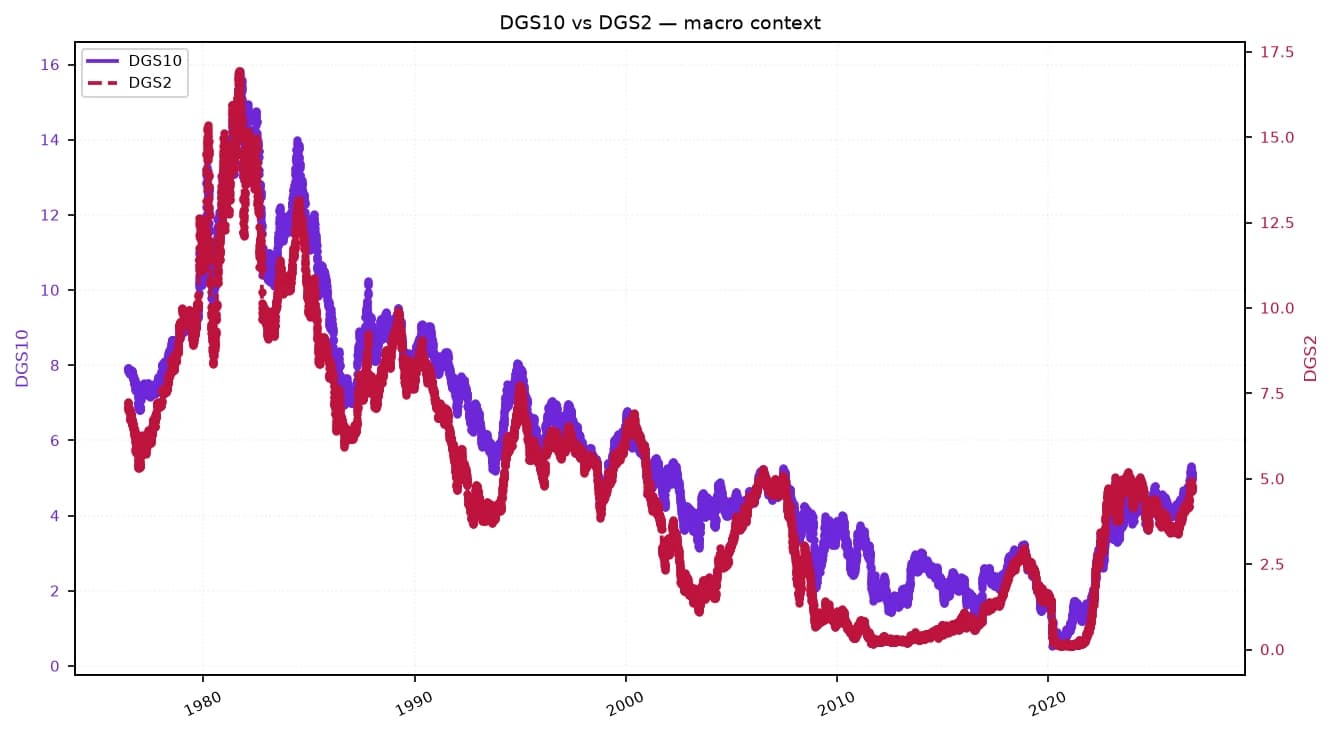
UK government borrowing is poised to edge higher after next week’s budget, but the bigger market story is a shift in how the debt will be funded: more short-dated paper, less long gilts and a heavier borrowing burden in 2027 and beyond.
UK Gilt Issuance Shifts Toward Shorter Maturities
That matters because Britain is entering a period in which the size and shape of gilt supply will influence yields, bank balance sheets and the government’s room to maneuver on spending. Reuters’ survey of 15 gilt market specialists points to only a modest £3.4 billion upgrade to debt sales in 2026/27, taking total gilt issuance to £249.6 billion. But the same poll shows a much steeper rise in future financing needs, with net public borrowing seen £14 billion higher in 2026/27 and £16 billion higher in 2027/28 than previously expected.
Sentiment Indicators
The key change is composition. Dealers expect the Debt Management Office to lean harder on short-term Treasury bills, with net T-bill issuance likely to double to £10 billion, while long-dated gilts are set to shrink to less than 7% of issuance, down from 11% last year and more than 30% in 2021. If that plays out, long gilt sales would fall to their lowest share since 1990, a clear sign that the market for duration has deteriorated just as borrowing costs at the long end have jumped.
That is an important economic signal. The 20-year and 30-year gilt yields recently hit their highest levels since 1998, reflecting a global selloff in long bonds and renewed concern over heavy public borrowing and inflation pressures linked to geopolitical shocks. When long-dated funding gets more expensive, governments typically shorten duration and use bills to bridge the gap. But that also leaves the state more exposed to refinancing risk later, and it increases sensitivity to near-term rate moves.
For investors, the implications stretch well beyond the UK. A smaller share of ultra-long supply can support the long end of the gilt curve over time, but the near-term effect is not necessarily bullish: the market is still digesting a very large overall funding requirement, with gross financing needs for 2027/28 seen at £334.3 billion. Barclays strategist Moyeen Islam said the market should not expect “great upheaval,” but should focus on how credible the fiscal plan looks and how the government balances supply across maturities.
The budget also arrives with less fiscal slack. Reuters’ survey suggests Chancellor John Healey’s headroom against his long-term rule will narrow to £15 billion from £24 billion in March, even as the deficit is projected to fall to £112 billion in 2027/28. That shrinking cushion is what keeps investors focused on every budget detail: if spending pressures rise or growth disappoints, the Treasury may have to sell even more debt than expected, and the burden would likely fall first on shorter maturities.
The investable message is straightforward. Britain is not heading into a sudden gilt supply shock, but it is moving into a more fragile funding phase, where issuance growth is moderate now and more pronounced later. That argues for continued caution on long-duration UK debt, closer attention to front-end bill supply and a watchful eye on sectors that depend on stable sovereign funding conditions, from domestic banks to pension-driven duration strategies. If the budget is as quiet as expected, the real market catalyst may come next year, when tighter spending plans collide with a bigger financing bill.
| Entity | Gains | Losses |
|---|---|---|
| UK Treasury | ▲More flexibility via short bills | ▼Higher refinancing risk |
| Gilt investors | ▲Potentially less long-end supply | ▼More pressure from heavy borrowing |
| Short-term money markets | ▲More bill issuance to absorb | ▼Lower yield stability risk |
| Pension funds / long-duration buyers | ▲Lower long-gilt issuance | ▼Less supply to match liabilities |