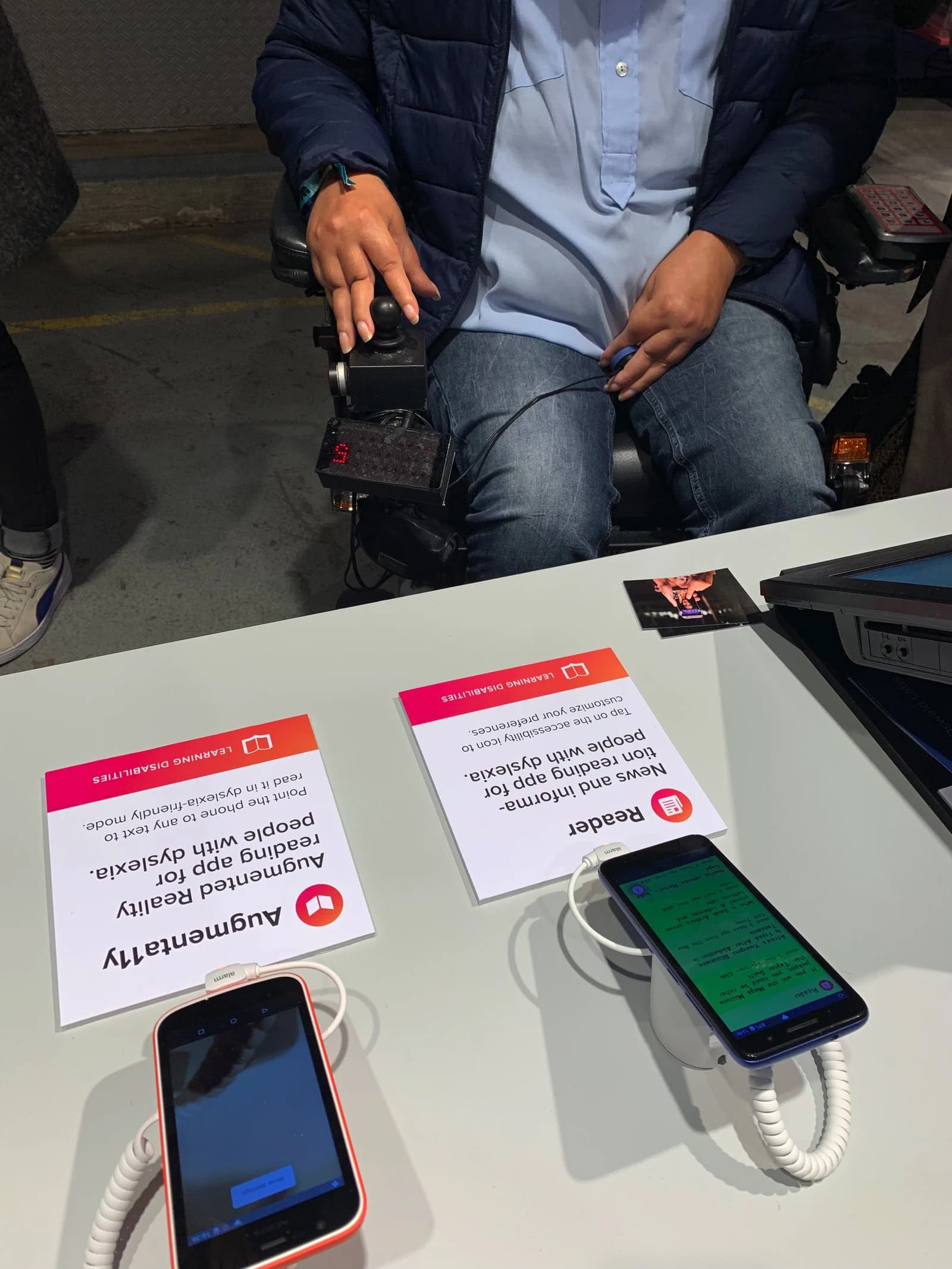
For the first time, a British parliamentarian has used an AI-generated voice to deliver a speech in Parliament, a breakthrough that could reshape how disability, accessibility and democratic participation intersect in public life.
UK Lords AI Voice Speech Boosts Accessibility Tech

Jane Campbell, a member of the House of Lords and a long-time disability rights campaigner, spoke on health using a recreated version of her own voice after working with ElevenLabs, one of the leading synthetic-voice companies. The moment matters far beyond Westminster: it shows AI moving from novelty to essential infrastructure, with direct implications for assistive technology, public-sector adoption and the market for voice cloning tools.
The economic significance is not the speech itself but the broader validation of AI as a practical productivity and inclusion tool. If a parliamentary chamber with rules dating back to 1707 can adapt its procedures to allow an AI voice, the barrier to adoption across hospitals, courts, schools and corporate meetings falls sharply. That expands the addressable market for companies building real-time transcription, voice synthesis and digital accessibility services.
Investors should see this as part of a larger secular trade. The winners are likely to be the firms supplying the underlying models, speech tools and compliance layers that let institutions deploy AI safely. ElevenLabs is not public, but the development reinforces the investment case for the broader AI infrastructure stack, especially software that turns generative AI into regulated, enterprise-grade utility. It also strengthens the case for companies exposed to accessibility tech, human-machine interfaces and identity verification, since voice cloning will increase demand for authentication and fraud protection.
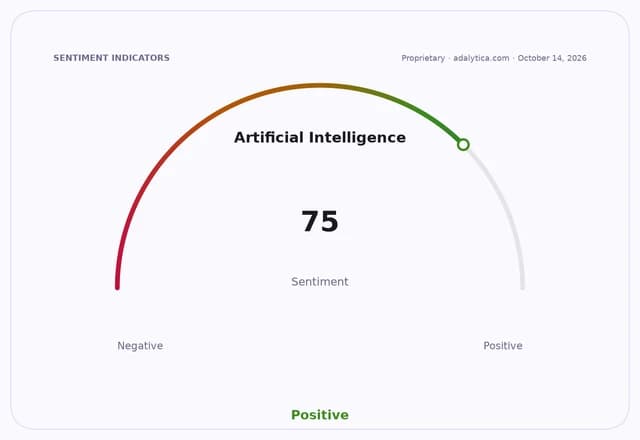
Artificial Intelligence — 30-day sentimentadalytica.com
Explore this data interactively — full history, time series and cross-market comparisons.Open AlphaPulse

The market often treats AI as a pure consumer or enterprise productivity story. This episode shows a second, underappreciated lane: AI as social infrastructure. That matters because public institutions tend to be slower adopters, but once the technology is embedded in official processes it can create durable, recurring demand. It also gives policymakers a concrete example of AI’s benefits at a time when governments are tightening rules around misuse and synthetic media.
Jane Campbell’s use of an AI voice is therefore more than a symbolic first. It is a proof point that could accelerate procurement, regulation and investment across the accessibility economy and the wider AI ecosystem. For investors, the actionable takeaway is to watch the picks-and-shovels names that enable trustworthy voice AI, because the next wave of adoption may come not from entertainment or advertising, but from institutions that need inclusion, compliance and reliability.
| Entity | Gains | Losses |
|---|---|---|
| AI voice firms | ▲New institutional demand | ▼Scepticism over misuse |
| Accessibility tech providers | ▲Bigger addressable market | ▼Legacy assistive tools |
| Parliament / public bodies | ▲Broader inclusion | ▼Slower traditional processes |
| Fraud detection firms | ▲More need for authentication | ▼Easy-to-clone voice models |