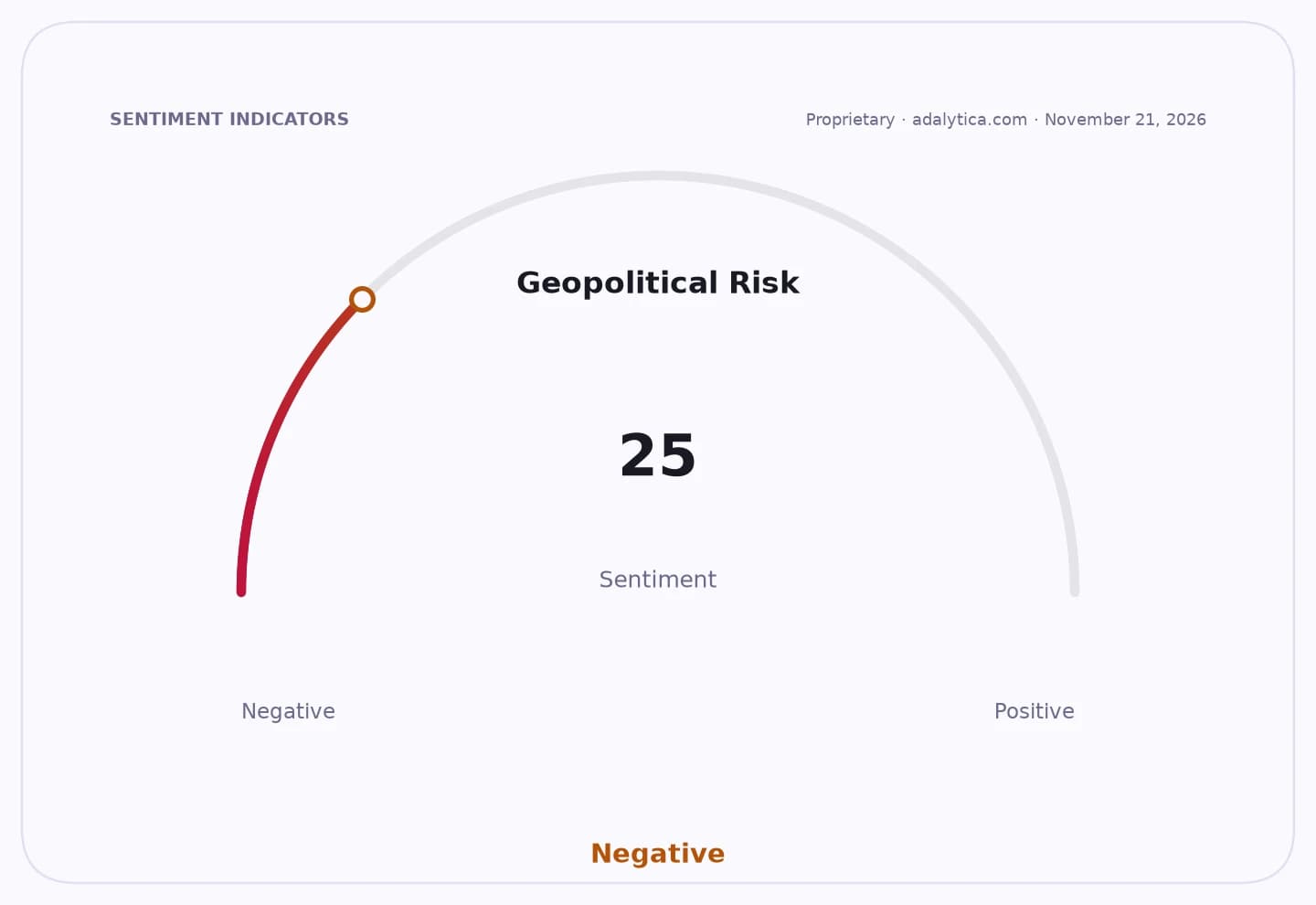
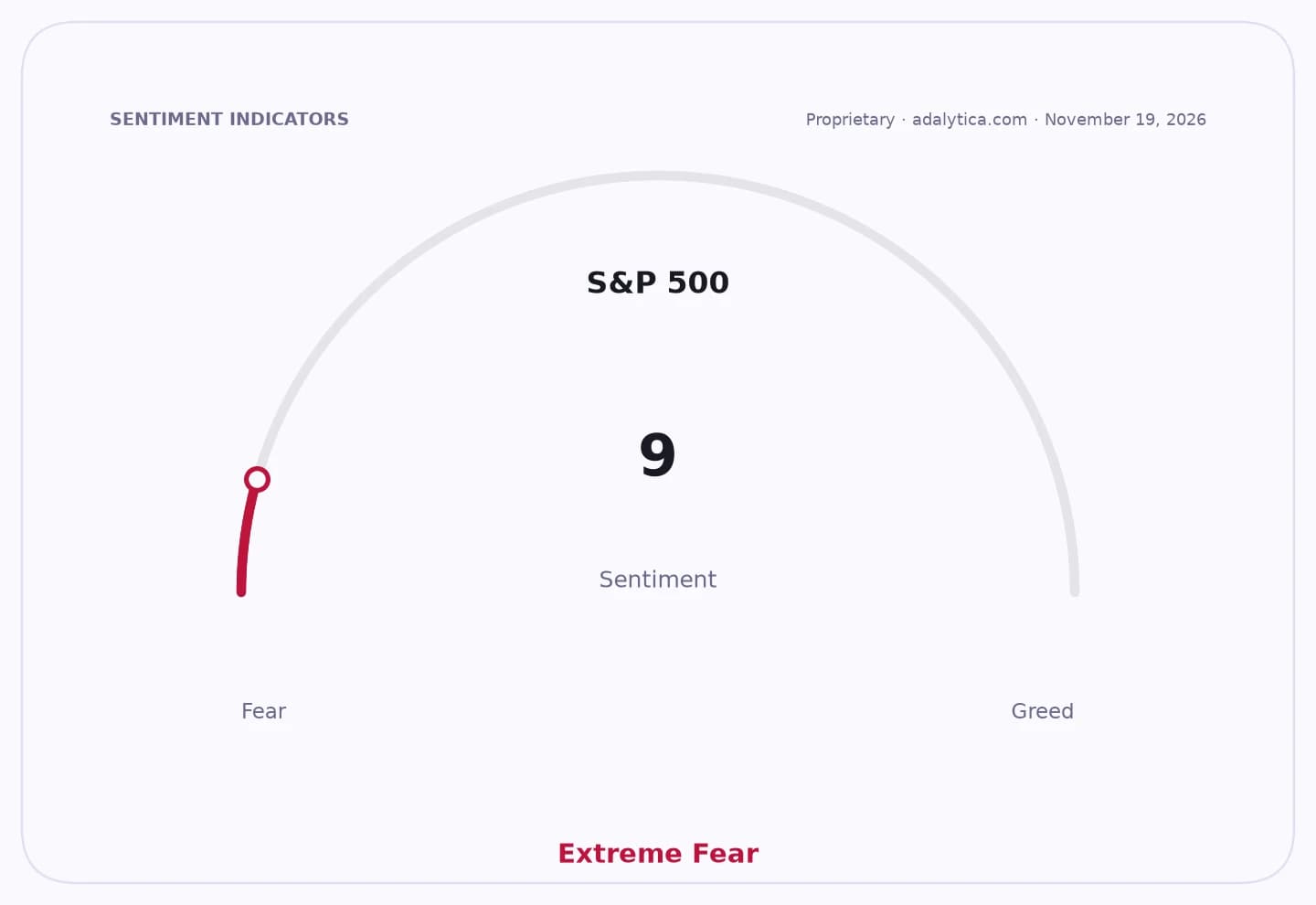
Northern European allies are moving to deepen military cooperation against Russia, a shift that underscores how the region’s security outlook has hardened and why defense spending, shipbuilding and anti-submarine capabilities are gaining investor attention.
UK and Nordic allies deepen anti-submarine defense
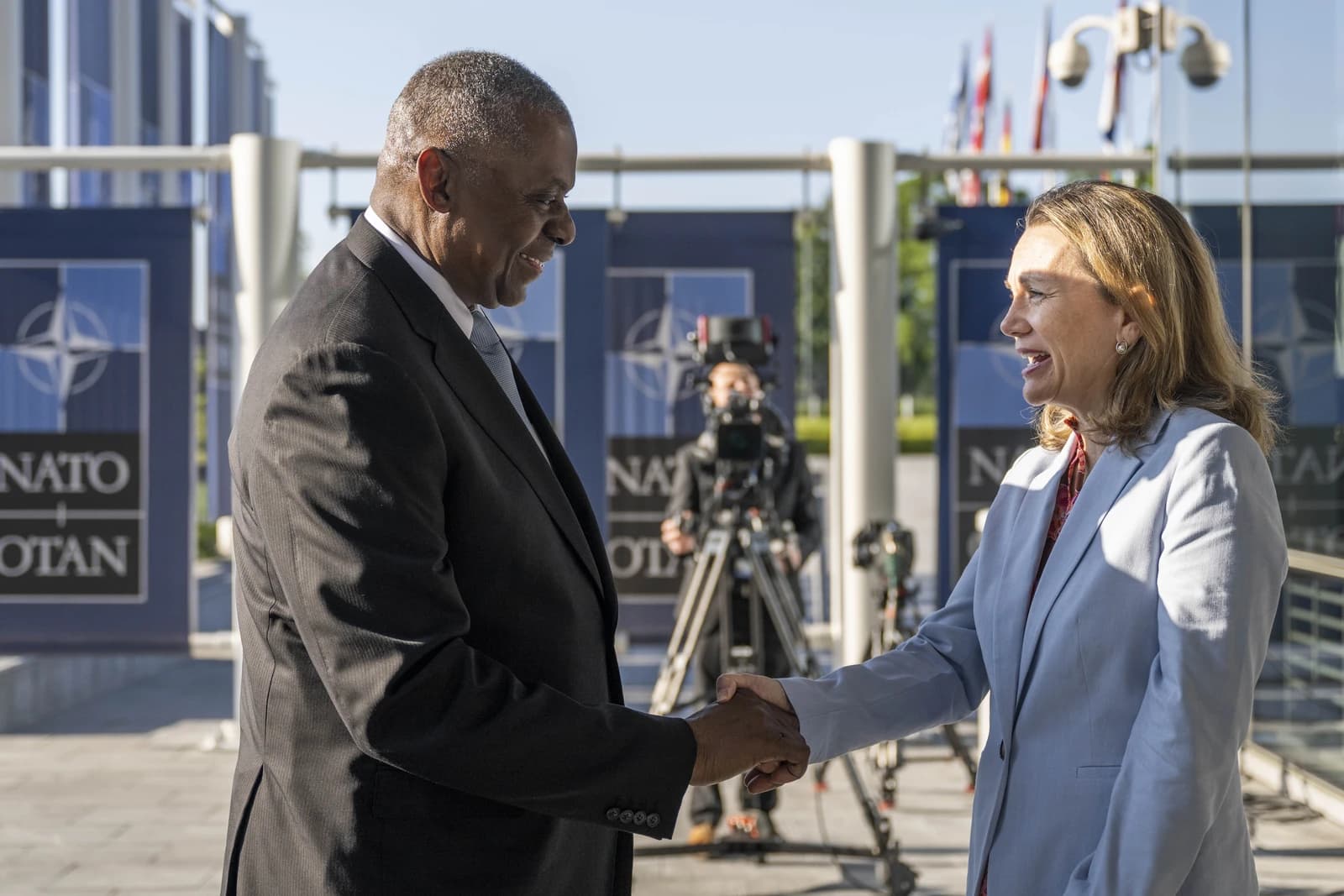
British defense chief Richard Knighton told the Financial Times the UK has fallen behind some European neighbors in understanding the scale of the threat from Moscow, warning that Russia is increasingly relying on targeted killings, sabotage and cyberattacks. He said the current period is the most dangerous of his adult life and argued that Britain must catch up with allies closer to Russia’s borders.
Sentiment Indicators
The practical response is getting more concrete. Members of the UK-led Joint Expeditionary Force, which includes the Netherlands, the Baltic states and Nordic countries, plan to expand cooperation across naval, air and land forces, with one main mission: deterring Russian submarines from threatening North Atlantic shipping in a future war. The agreement is due to be signed aboard the British aircraft carrier HMS Prince of Wales.
That makes this more than a diplomatic gesture. The North Atlantic is a critical route for energy, trade and military supply lines, and tighter coordination on submarine hunting, patrols and readiness could translate into sustained demand for defense contractors, naval systems and surveillance equipment.
Knighton also linked the security backdrop to budget pressure at home. Britain plans to raise defense spending to 3% of gross domestic product by 2030, a move analysts estimate would require about 11 billion pounds in extra annual spending. For investors, that points to a larger, longer pipeline of orders for UK and European defense names as governments shift from short-term aid packages to multi-year rearmament plans.
Norway’s 10 billion-pound order for British Type 26 anti-submarine frigates is already a sign of where the market is headed, with demand concentrated in high-end naval platforms rather than broad, across-the-board procurement. That favors companies tied to submarines, frigates, sensors, munitions and electronic warfare, while raising the prospect of more cross-border industrial cooperation across the Nordic defense base.
Adalytica’s Global Stability Sentiment snapshot shows the geopolitical backdrop worsening, with awareness at an extreme-fear reading of 7 and sentiment at 36. That aligns with the broader investor trade: defense spending is becoming a structural theme even as European policymakers try to persuade voters to accept the fiscal cost.
The next catalyst is the JEF signing and any follow-up commitments from Britain and its Nordic allies, which will help show whether this is the start of a broader regional defense buildout or simply another warning shot to Moscow.
| Entity | Gains | Losses |
|---|---|---|
| UK defense contractors | ▲More naval orders | ▼Budget uncertainty |
| Nordic and Baltic allies | ▲Stronger deterrence | ▼Higher defense costs |
| Russia | ▲— | ▼Greater military pressure |
| Shipping and energy routes | ▲Better protection | ▼Higher geopolitical risk |