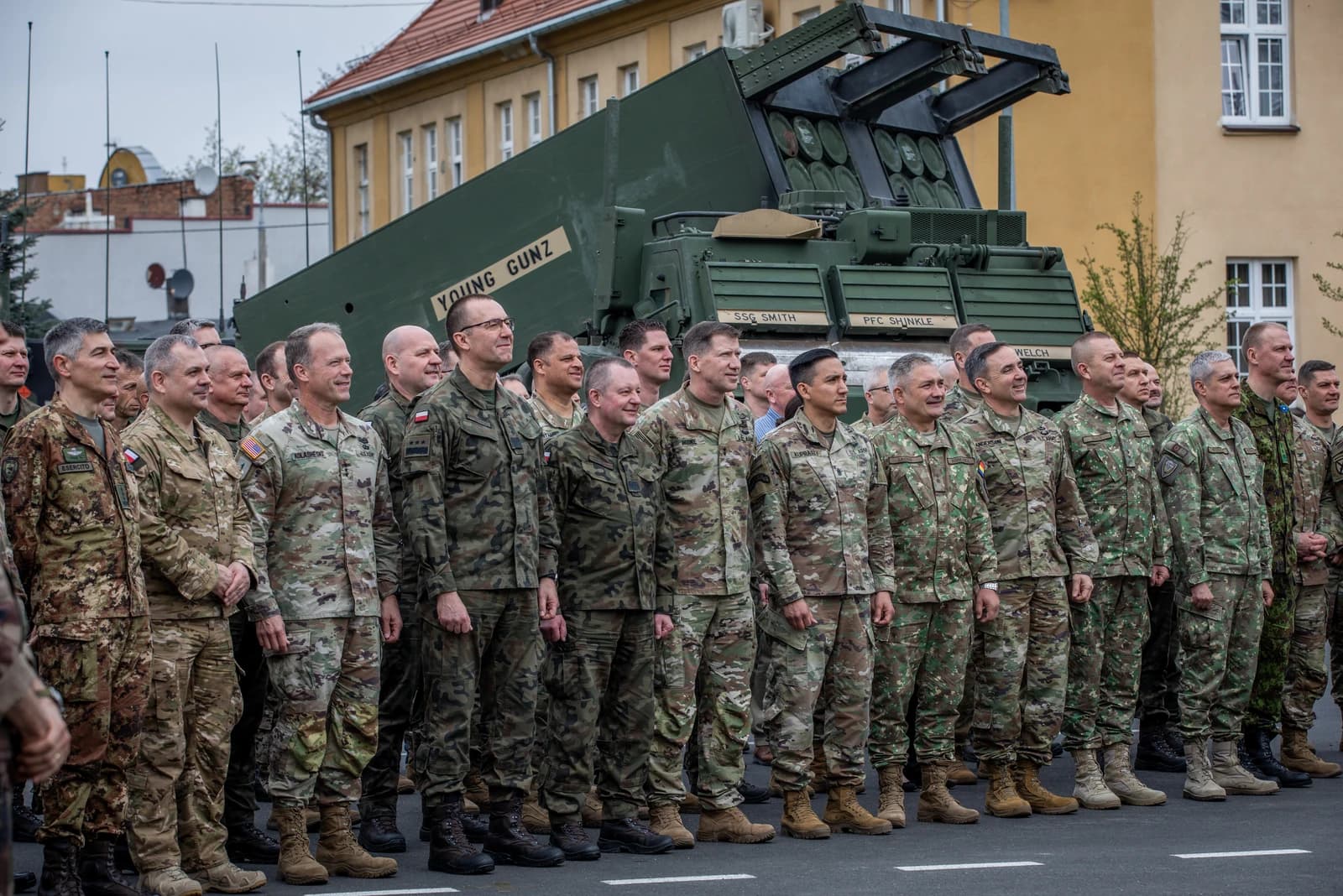
Ukraine’s third strike this week on the bridge linking Russia to Crimea is sharpening the case that the war is nowhere near a clean political resolution, even as reports say the Pentagon’s chief strategist walked out of a Ukraine meeting. For investors, that combination matters because it points to a conflict that is still driving defense urgency in Europe and keeping Pentagon policymakers under pressure to explain what a longer war means for U.S. priorities.
Ukraine Bridge Attack Supports Defense Stocks
S&P 500
The bridge attack is economically important because infrastructure like this is not just symbolic. It is a military supply line, and repeated damage forces Russia to spend more on repairs, rerouting and protection while trying to sustain operations in Crimea and southern Ukraine. That tends to prolong the need for air defense, missiles, surveillance systems and munitions — the kind of demand that has helped defense contractors through a volatile year.
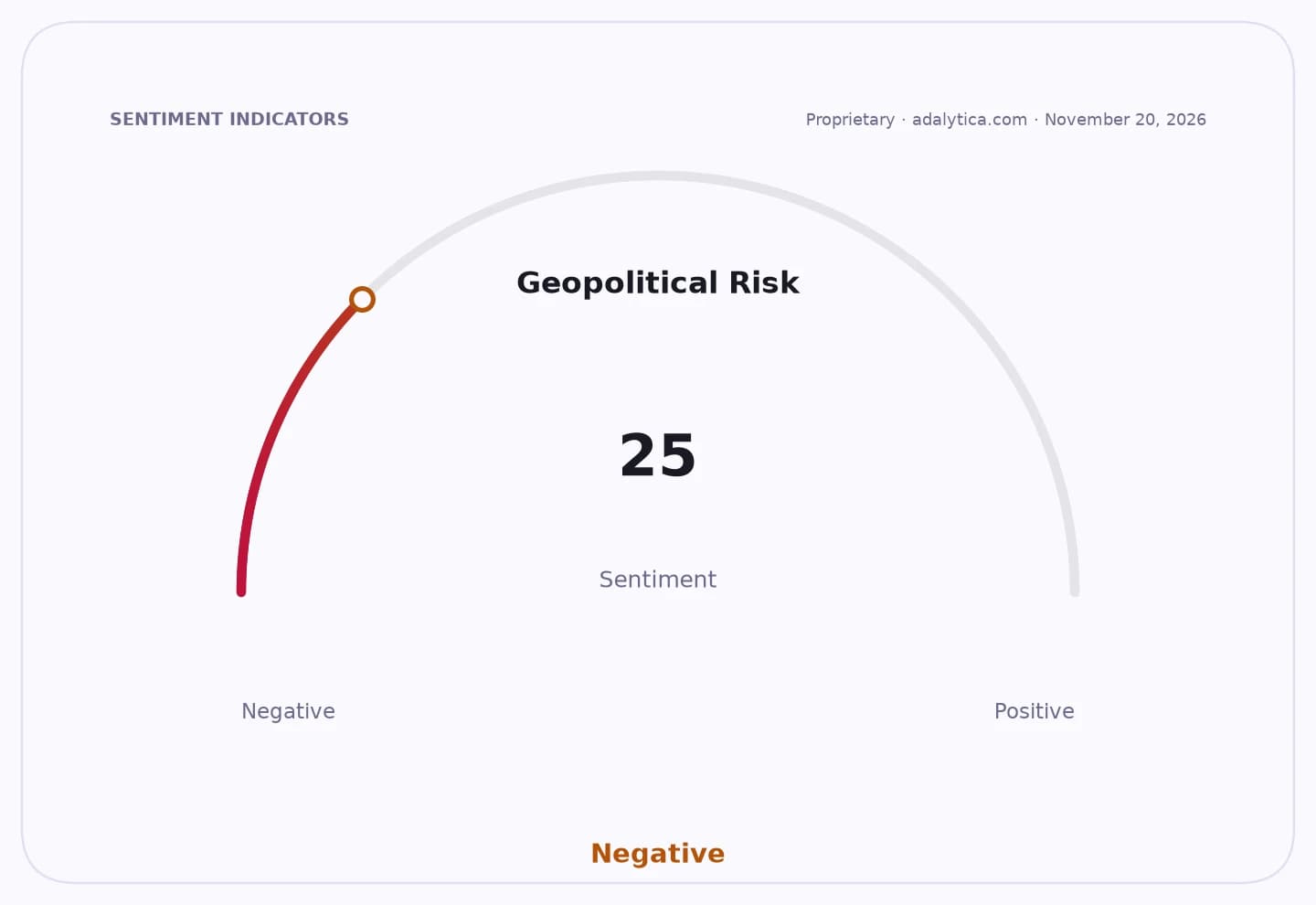
Sentiment Indicators
The market is already treating that backdrop as durable, not temporary. Lockheed Martin, RTX and Northrop Grumman have all traded with the sort of swings that come when investors are trying to balance strong geopolitical demand against stretched valuations and shifting budget expectations. Lockheed was recently above its 200-day average before easing back, while RTX has spent time near its 50- and 200-day averages. Northrop, meanwhile, has remained one of the more resilient names in the group, even after a sharp selloff earlier in the year.
That’s the real investment story here. War headlines can move shares day to day, but the longer-term question is whether Europe’s security reset becomes embedded in procurement budgets. The answer still looks like yes. The EU has approved fresh sanctions on Russia and more aid for Ukraine, which keeps the pressure on Moscow while reinforcing the argument for sustained Western rearmament. If that continues, the beneficiaries are likely to be the major contractors with deep missile, space, sensors and naval franchises.
There are risks, of course. Defense stocks can get ahead of the fundamentals, and technical readings suggest some short-term fatigue: Lockheed’s RSI has slipped into the low 30s, RTX has cooled from earlier highs, and Northrop’s recent momentum has also eased. But for long-term investors, that kind of volatility is often where the opportunity begins, not ends.
The bigger narrative is that Ukraine remains a war of attrition with no easy off-ramp. As long as bridges are being targeted, sanctions are tightening and U.S. strategists are wrestling with policy lines, defense spending is likely to stay elevated. Investors building portfolios for the next three to 10 years should keep the large-cap defense names on the watchlist, because the world is not looking any safer.
| Entity | Gains | Losses |
|---|---|---|
| Lockheed Martin, RTX, Northrop Grumman | ▲Sustained defense demand | ▼Policy uncertainty |
| Ukraine and EU allies | ▲More sanctions leverage | ▼War fatigue |
| Russia | ▲Tactical pressure | ▼Logistics disruption |
| Long-term defense investors | ▲Secular spending tailwind | ▼Near-term volatility |