Ukraine’s mass drone assault on Russia’s Leningrad region is the latest reminder that the war’s economic impact is increasingly being fought far beyond the front line, with strategic infrastructure in the northwestern hub around St. Petersburg now in the crosshairs.
Ukraine Drone Strikes Hit Russia's Leningrad Region
That matters because Leningrad region is not just a military zone; it is a critical logistics and export corridor tied to Russian energy flows, shipping and air defense coverage. Ukrainian strikes on the area, including the recent attack on the Ust-Luga port, have shown how drone warfare can threaten the assets that keep Russia’s war economy financed. Ust-Luga is one of the key outlets for Russian crude and refined products, and any disruption there feeds directly into Moscow’s export revenue and insurance, freight and security costs.
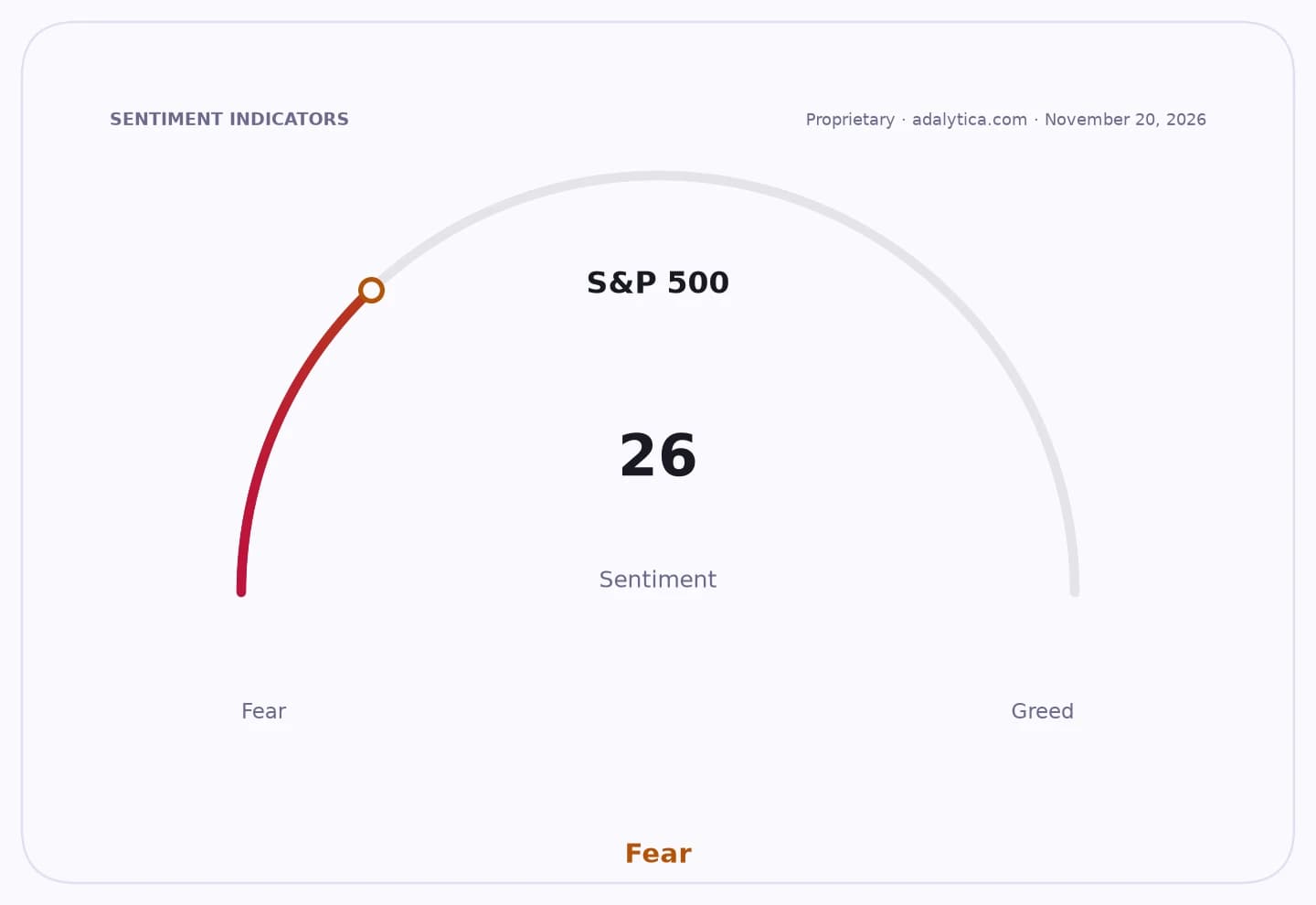
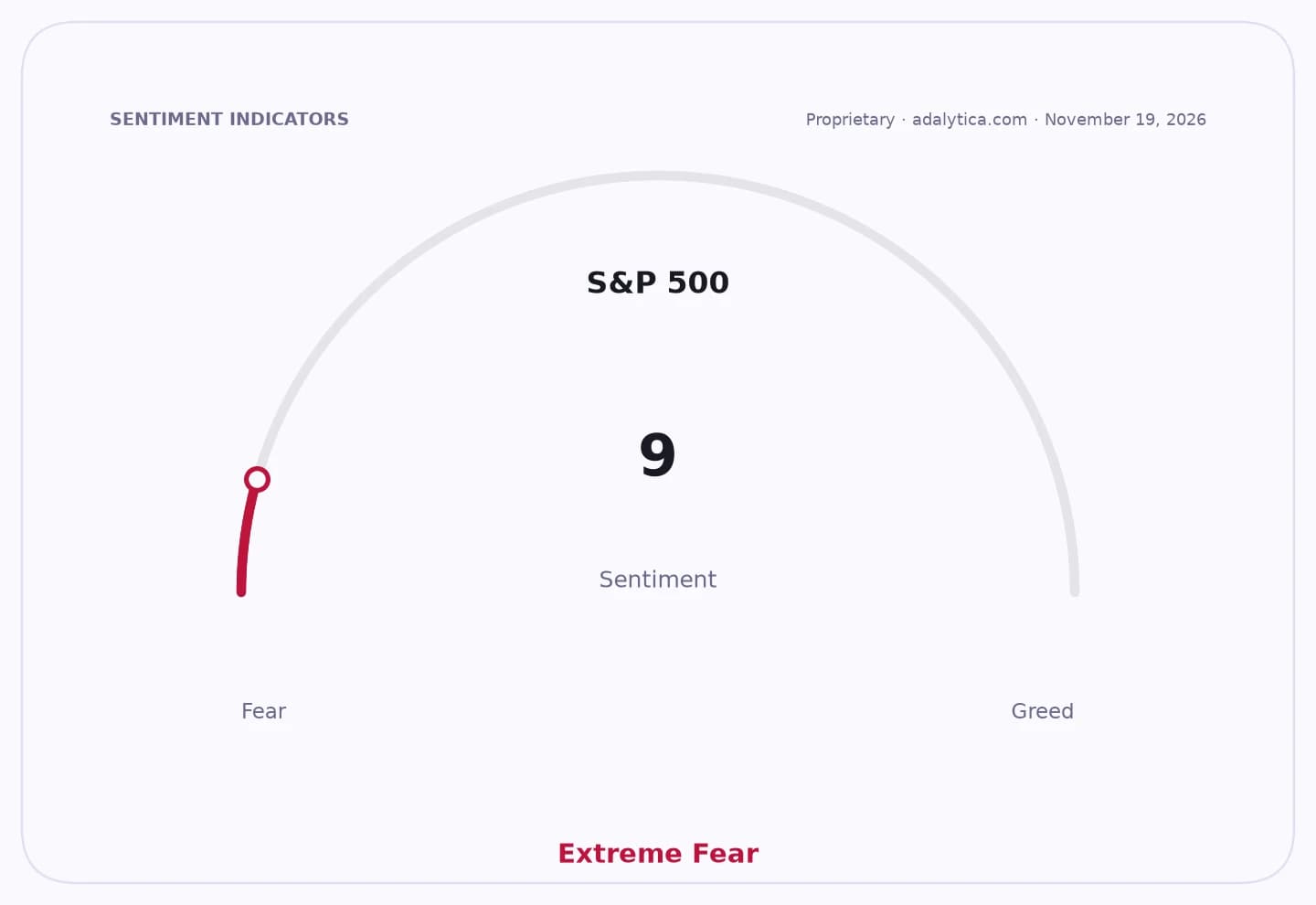
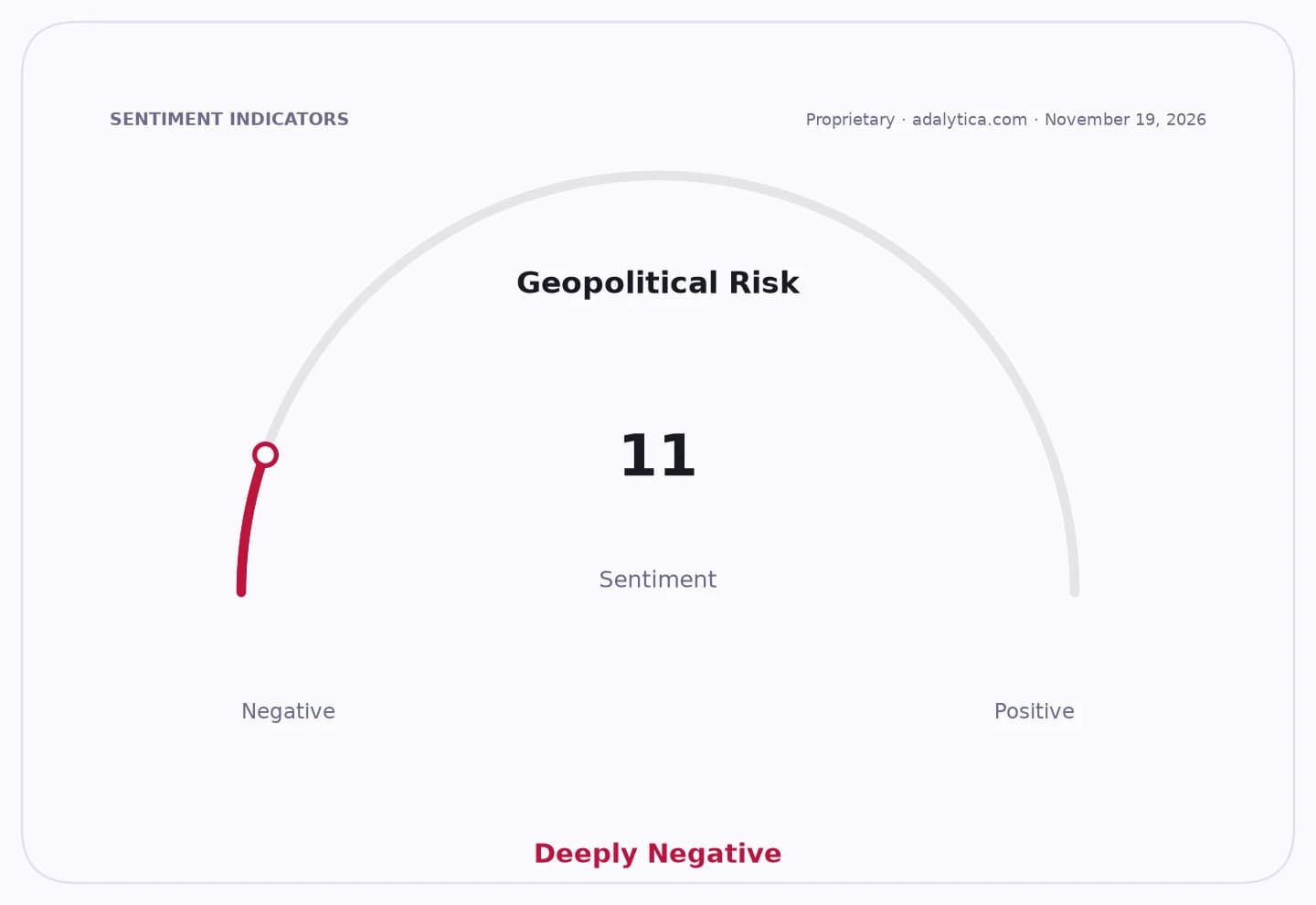
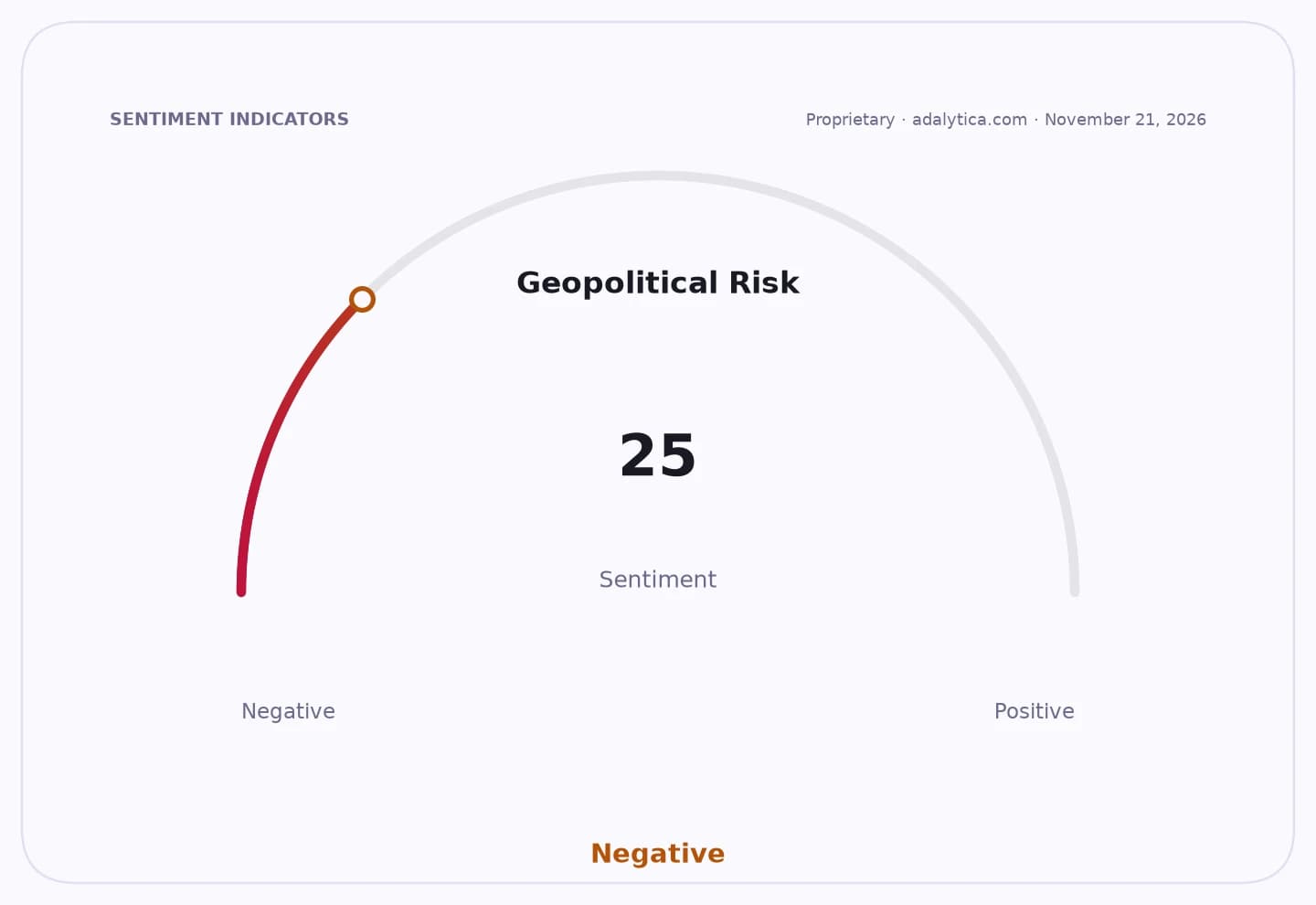
Sentiment Indicators
Russian authorities said air defenses intercepted 38 Ukrainian drones over the region by 5:08 a.m. Moscow time and warned that mobile internet speeds could be reduced, a sign of the operational pressure such attacks place on local infrastructure. The target list has not been disclosed, but the pattern is clear: Ukraine is trying to make Russia pay more for every barrel moved, every military asset protected and every piece of infrastructure kept online.
For investors, the escalation reinforces three themes that the market still underprices. First, geopolitical risk remains a structural support for energy prices, even when crude retreats in the short term. WTI was trading around $83 a barrel, well below this year’s highs but still high enough to keep a premium in place for supply disruption risk. Second, the conflict keeps feeding demand for air defenses, drones, electronic warfare and surveillance systems, reinforcing the secular case for the defense complex. Third, bond markets and the dollar still react as havens when war risk rises, with Treasury prices stabilizing even as broader risk appetite stays fragile.
That is why the real investment takeaway is not just “Russia-Ukraine is volatile.” It is that every wave of drone strikes expands the addressable market for defense contractors, strengthens the case for energy security spending and keeps strategic infrastructure assets at the center of capital allocation decisions across Europe and the U.S. The market underestimates how persistent this demand can be.
The next catalyst is whether Russia is forced into more defensive spending, tighter regional controls and further export friction. If that happens, the beneficiaries will be defense primes, cybersecurity and drone suppliers, while Russian exporters, transport chokepoints and any energy-sensitive importers remain exposed. For investors, the play is to own the picks-and-shovels of prolonged geopolitical conflict, not the headlines themselves.
| Entity | Gains | Losses |
|---|---|---|
| Defense contractors | ▲More air-defense demand | ▼None |
| Energy producers | ▲Higher risk premium support | ▼Russian exporters |
| Bond havens | ▲Safe-haven inflows | ▼Risk assets |
| Russian logistics/ports | ▲None | ▼Disruption risk |