Ukraine’s latest drone strike on a major oil installation in Russia’s Tatarstan region reinforces a simple but powerful market truth: the war’s next economic shock may come through energy infrastructure, not the battlefield map.
Ukraine drone strike hits Russia oil pipeline node
S&P 500
The reported attack on the Kaleykino oil pumping station, a node on the Druzhba pipeline more than 1,200 kilometers from Ukraine’s border, underscores Kyiv’s ability to reach deep into Russia’s fuel system and threaten the logistics and revenues that bankroll Moscow’s war effort. Local officials said the automatic fire suppression system prevented a larger blaze, but the damage remains unclear. Even when physical destruction is limited, repeated strikes on pipeline and refinery assets can still squeeze throughput, lift insurance and security costs, and inject fresh volatility into crude, refined products and transport routes.
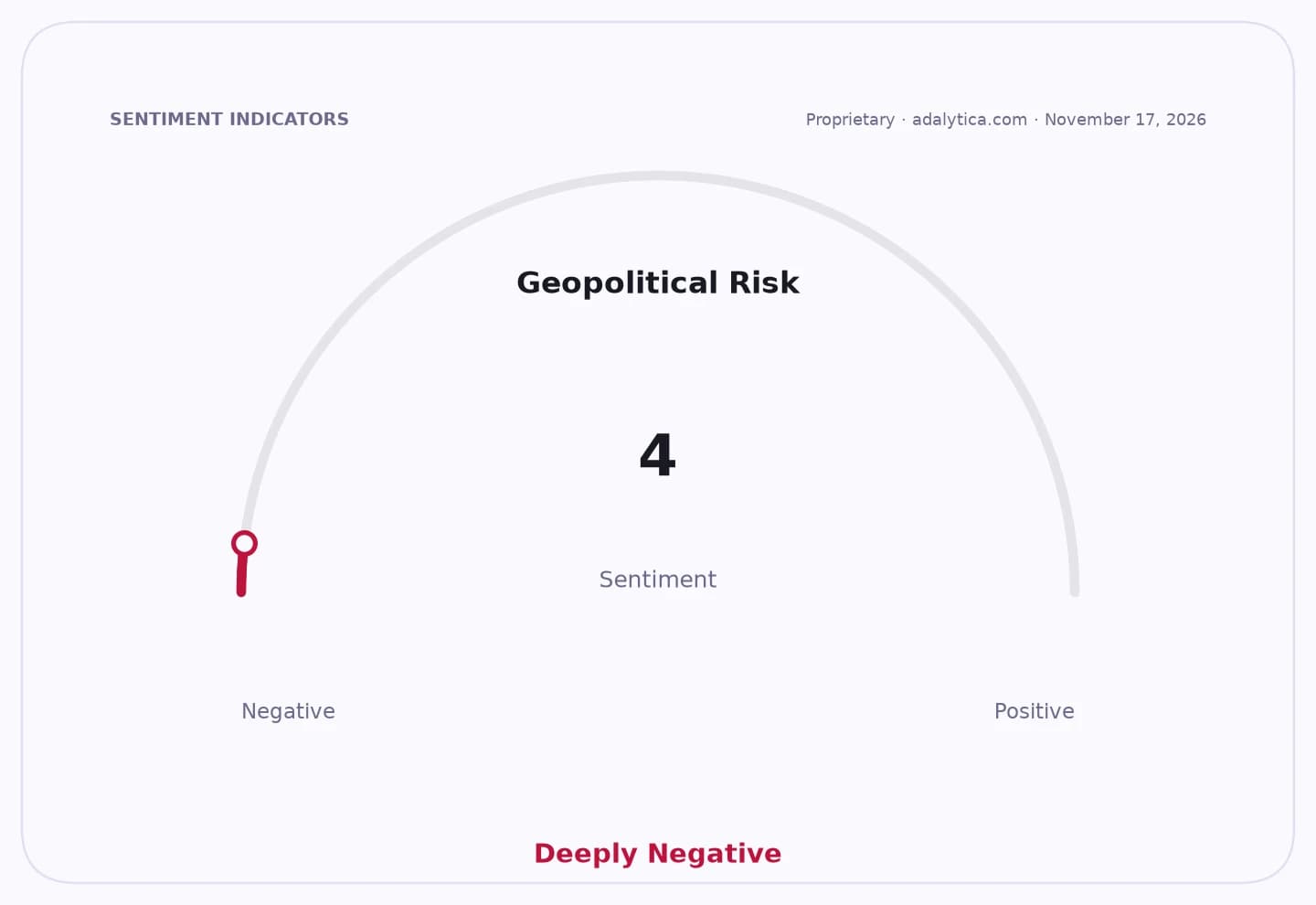
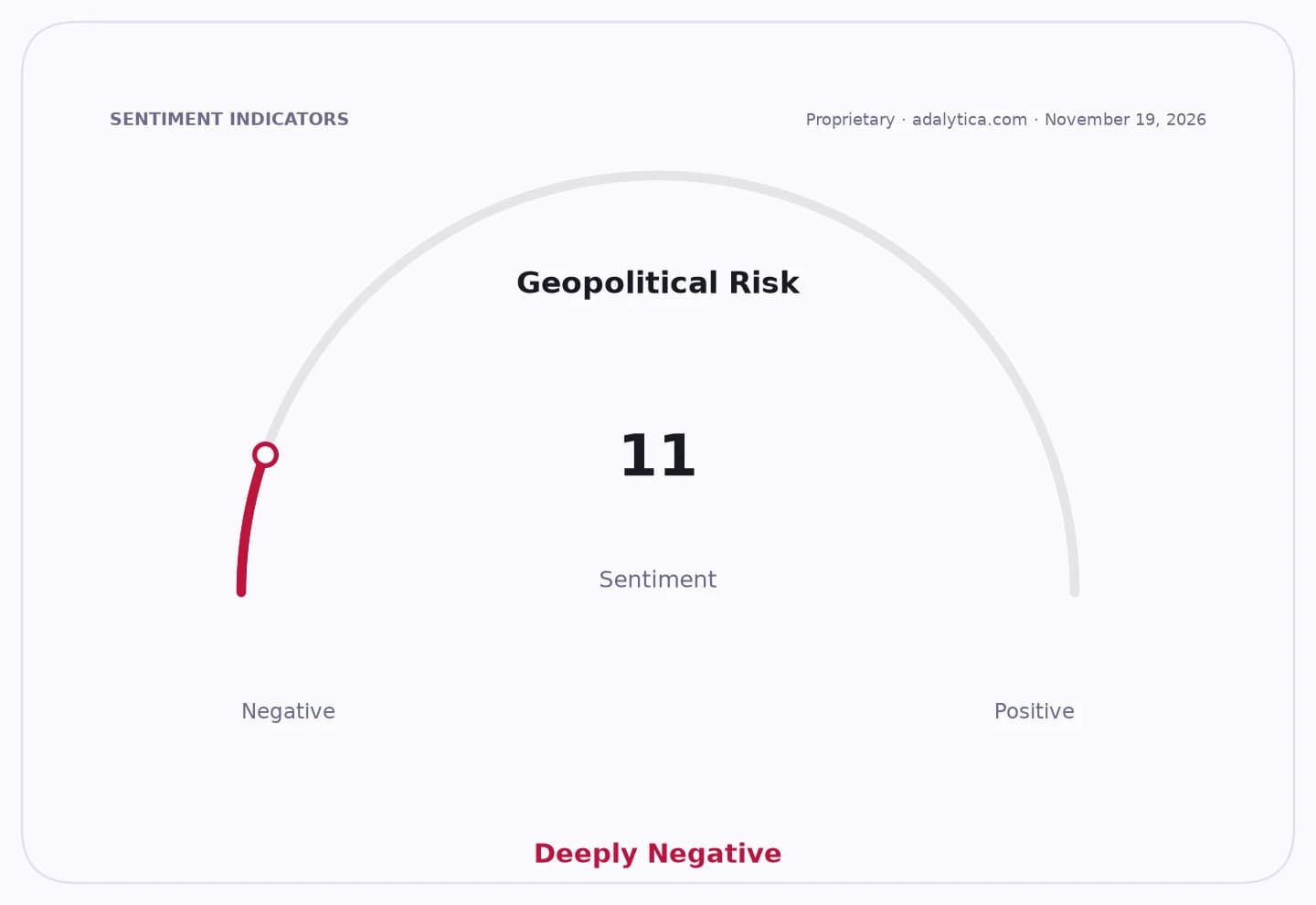
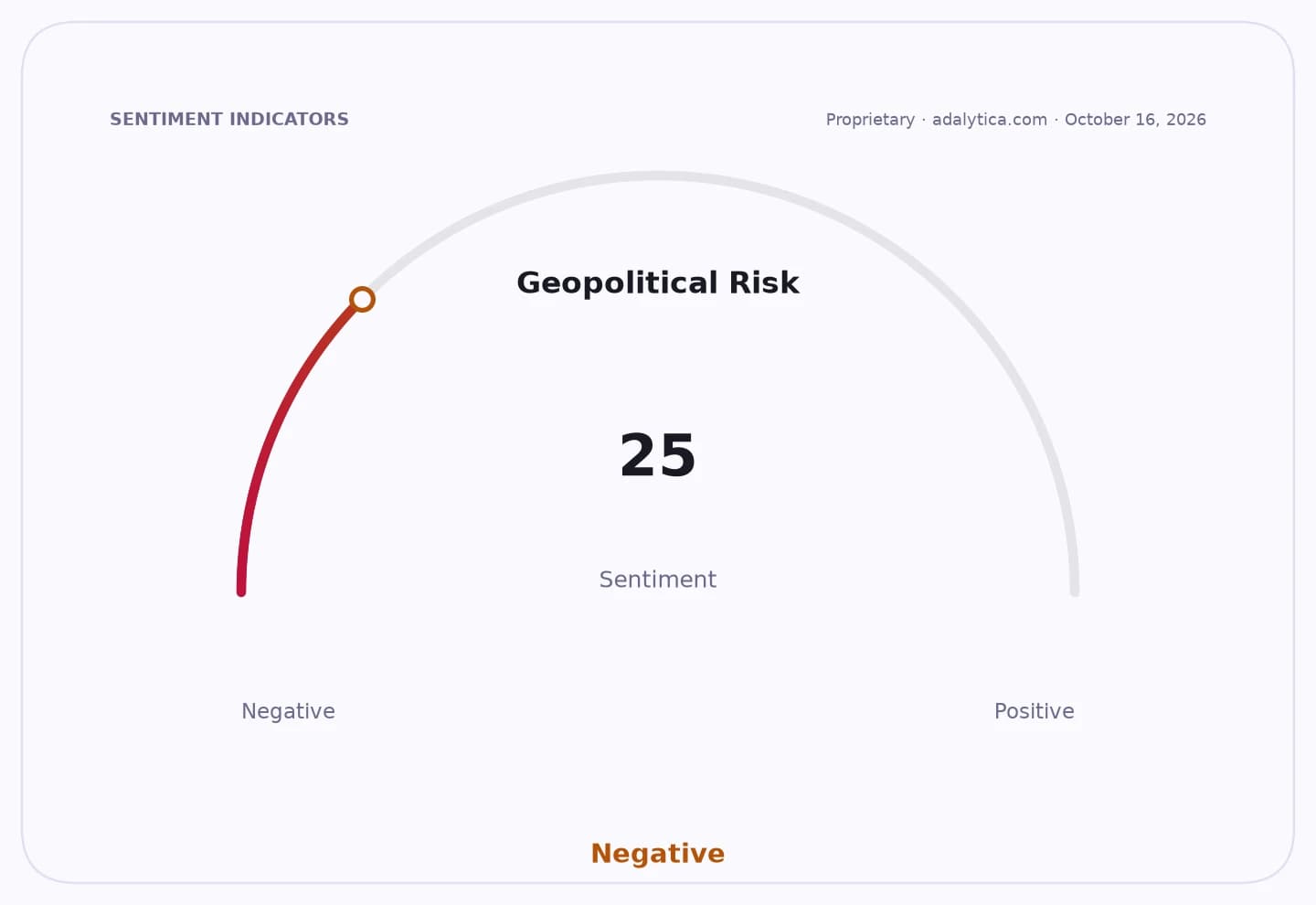
Sentiment Indicators
That matters because Russia’s energy network is not just an export engine; it is a military supply chain. Each successful strike raises the odds of temporary disruptions to fuel distribution, greater domestic pressure on Russian refiners and wider nervousness across oil markets already primed to react to supply shocks. The market does not need a sustained outage to reprice risk. It only needs confirmation that critical infrastructure is vulnerable.
The timing is especially important for investors. WTI has already been trading with elevated sensitivity to geopolitical headlines, while energy stocks have been volatile even as long-dated fundamentals remain tight. The move in the broader complex has reinforced a familiar pattern: when war threatens barrels, the first beneficiaries are not always the oil majors, but the entire stack of energy infrastructure, from producers to tanker operators to defense-linked logistics and services providers.
That is where the investable opportunity lies. The market often treats these strikes as one-off wartime headlines, but the more durable thesis is that sustained infrastructure warfare widens the geopolitical risk premium embedded in energy prices. That supports cash flow for integrated producers, midstream operators with strategic infrastructure, and oil-field service names that benefit when security, maintenance and replacement spending climb. It also keeps defense contractors in focus as governments accelerate spending on drones, air defense and critical-infrastructure protection.
The broader narrative is a familiar one in a new form: energy is becoming a geopolitically priced asset again. Ukraine’s ability to hit deep into Russian oil infrastructure does not just embarrass Moscow. It raises the cost of moving, refining and exporting energy, and that cost eventually gets passed through the system. Investors who understand that second-order effect should be watching for the next leg higher in the risk premium, not waiting for a supply crunch to show up in headlines.
For now, the message is clear: every successful strike on Russia’s energy backbone strengthens the case for owning the picks-and-shovels around energy security, not betting on a quick normalization in oil geopolitics.
| Entity | Gains | Losses |
|---|---|---|
| Energy producers | ▲Higher risk premium | ▼Volatile operating backdrop |
| Midstream and pipeline operators | ▲Greater strategic value | ▼Exposure to infrastructure risk |
| Defense contractors | ▲More air-defense demand | ▼None directly |
| Russia’s oil system | ▲— | ▼Disruption, added security costs |