The longer the Russia-Ukraine war drags on, the more it looks like a transfer of wealth and leverage from Europe to the United States.
Russia-Ukraine war lifts U.S. defense and energy stocks

That is the central economic story behind the conflict’s latest escalation, from fresh strikes on critical infrastructure to renewed diplomatic maneuvering in Abu Dhabi. Ukraine’s attack that badly damaged the Crimea bridge and Russia’s retaliation against two major bridges in Kyiv underline a war that remains stuck in an expensive, destructive stalemate. For investors, the bigger point is that prolonged conflict keeps Europe paying the bill through higher energy costs, defense spending and economic strain, while U.S. companies tied to oil, LNG and weapons continue to capture the upside.
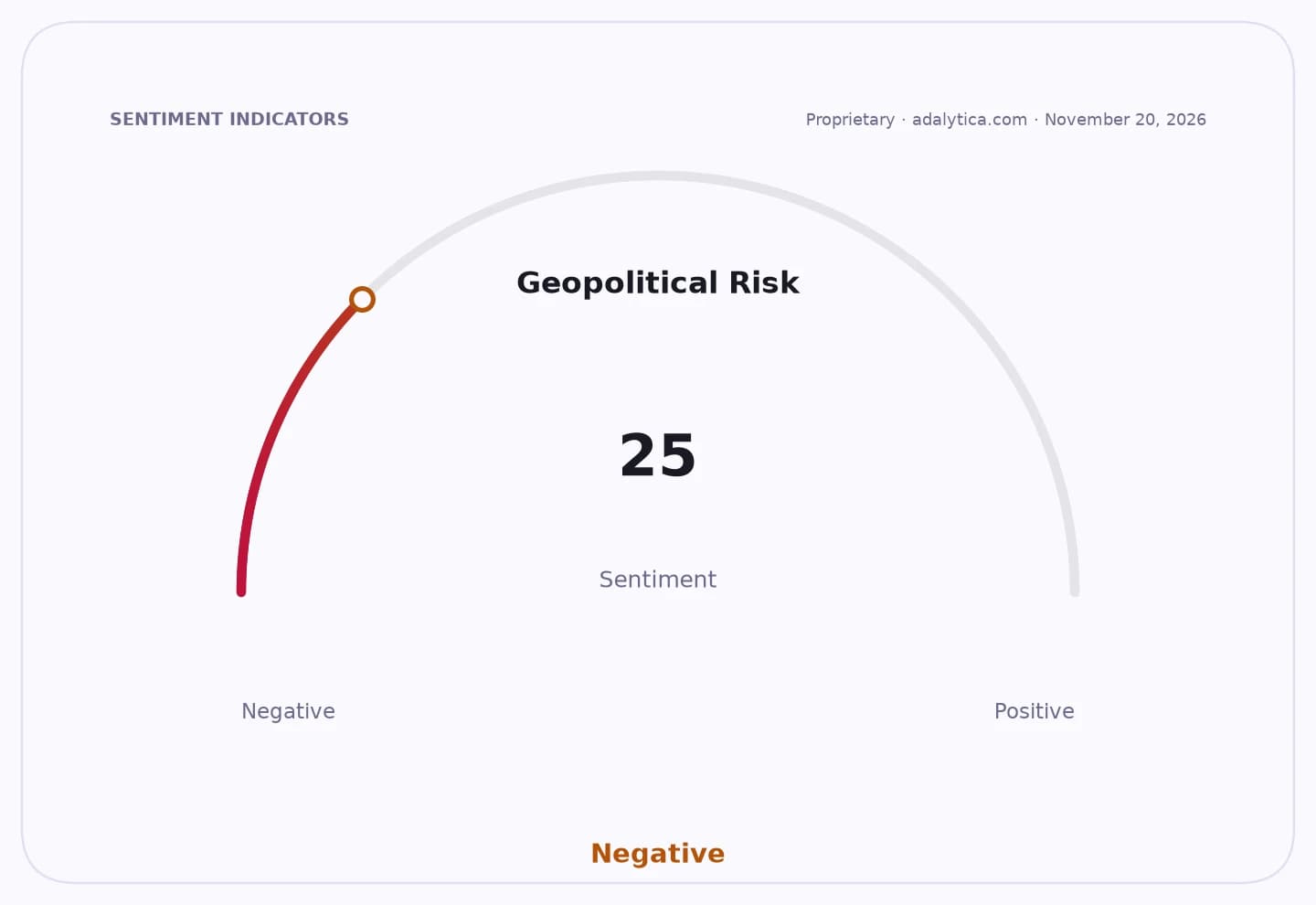
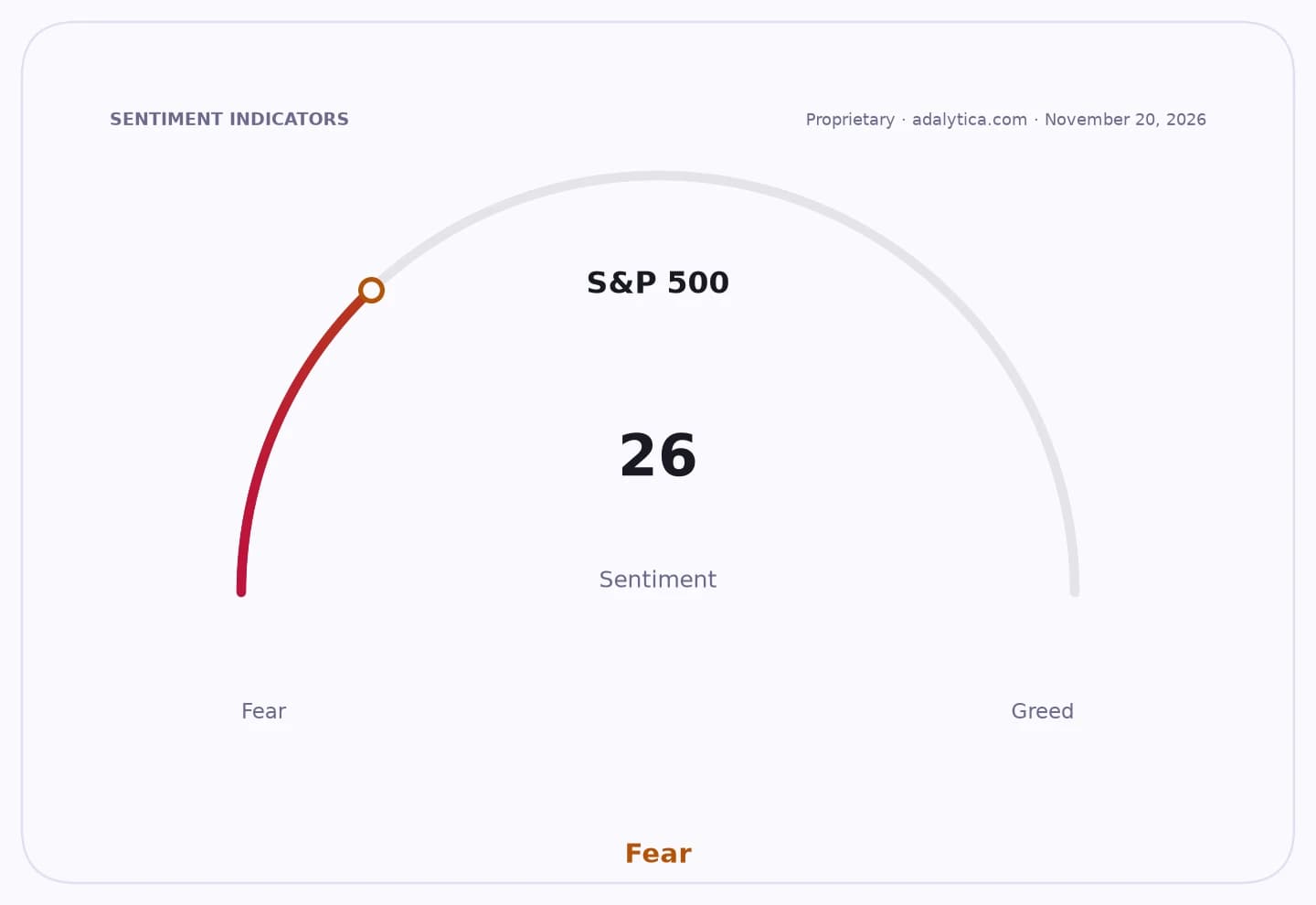
Sentiment Indicators
The war’s financial footprint is visible in markets. Brent crude has hovered around $90 a barrel in the latest data, a level that keeps energy costs elevated for import-dependent economies even after the worst spike has passed. At the same time, U.S. Treasury yields remain near 5%, a reminder that governments financing defense and reconstruction are doing so in a more expensive rate environment than during the last major European security crisis. That combination matters because it squeezes Europe’s growth just as it forces budgets toward military and energy security priorities.
The winners are easy to identify. Exxon Mobil, a proxy for the U.S. energy complex, has seen its share price swing sharply higher over the past year, while Lockheed Martin and RTX continue to trade on the structural demand created by the rearmament cycle. Lockheed’s shares recently sat around $565, near its 50-day moving average, after a volatile run that took the stock as high as $635 in late October. RTX has been equally active, holding near $190 after a pullback from above $220. Those moves reflect more than day-to-day trading; they reflect the market’s recognition that Europe’s rearmament, NATO’s stockpile rebuilding and U.S. military support for Ukraine are likely to support defense order books for years.
Geopolitical Risk vs LMTadalytica.com
Explore this data interactively — full history, time series and cross-market comparisons.
Exxon’s move tells the same story from the energy side. When geopolitics keep global supply chains tense and sanctions reshape trade flows, the upstream business and LNG exporters benefit from a premium on security of supply. That is why the war matters far beyond the battlefield: it reinforces a world where strategic commodities are priced not just on supply and demand, but on political risk. Europe, meanwhile, is left dealing with higher import bills, weaker industrial competitiveness and the political strain that comes from paying more for both heat and security.
The diplomatic backdrop also matters. Talks in Abu Dhabi may not produce an immediate peace deal, but they can still shape the eventual framework for a settlement. If that framework eventually emerges, markets will start to price in a different mix of winners and losers: lower energy risk for Europe, less urgency for emergency defense spending, and a possible cooling of the war premium embedded in oil and defense names. Until then, investors should assume the status quo favors U.S. suppliers and keeps pressure on Europe’s economy.
For long-term investors, the lesson is not to chase every headline. It is to recognize the compounding effect of a multi-year geopolitical shock. Defense contractors, energy exporters and diversified U.S. multinationals with exposure to these trends can keep benefiting as long as the war grinds on. Europe, by contrast, remains the region paying the highest macroeconomic price. Worth watching, but the long-term winners are already becoming clear.
| Entity | Gains | Losses |
|---|---|---|
| U.S. defense contractors | ▲Higher weapons demand | ▼Nothing from peace dividend |
| Exxon Mobil / U.S. energy | ▲Stronger pricing power | ▼Lower urgency if war ends |
| Europe | ▲Security stakes with allies | ▼Higher energy and defense costs |
| Russia / Ukraine | ▲Tactical leverage in talks | ▼Infrastructure, capital, stability |