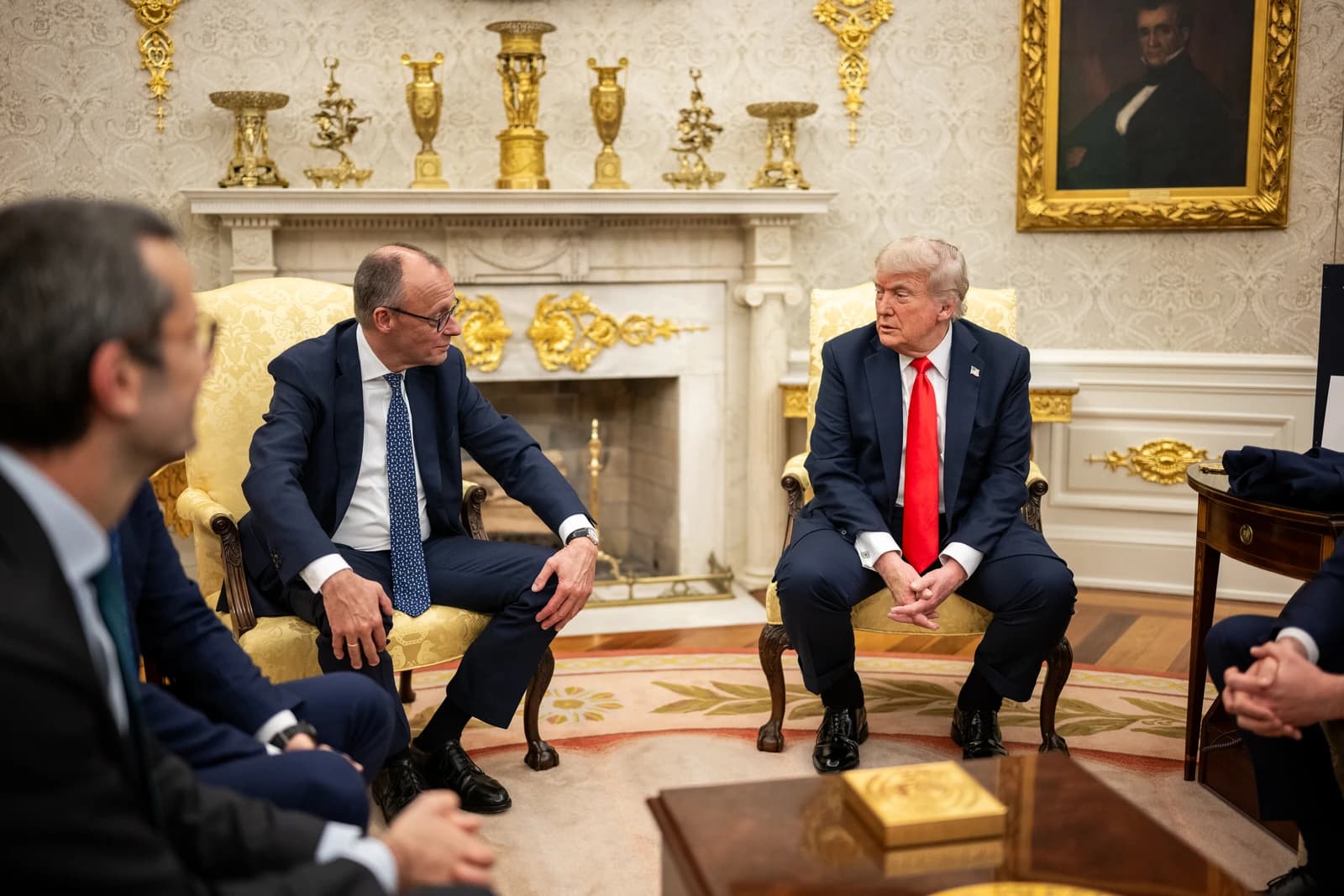
Donald Trump’s promise that he will not make decisions on Ukraine without Kyiv’s participation matters because any durable ceasefire or settlement will only hold if Ukraine is seen as a party to the deal, not a line item in talks between Washington and Moscow.
Ukraine Talks, EU Sanctions, and European Markets
That is the economic hinge for Europe as much as the geopolitical one. A negotiated end to the war would reshape energy flows, defense budgets, cross-border reconstruction spending and sanctions policy across the continent. A bad settlement, by contrast, could prolong uncertainty, keep Europe’s risk premium elevated and force governments to sustain costly support for Ukraine while also rebuilding inventories and hardening infrastructure.
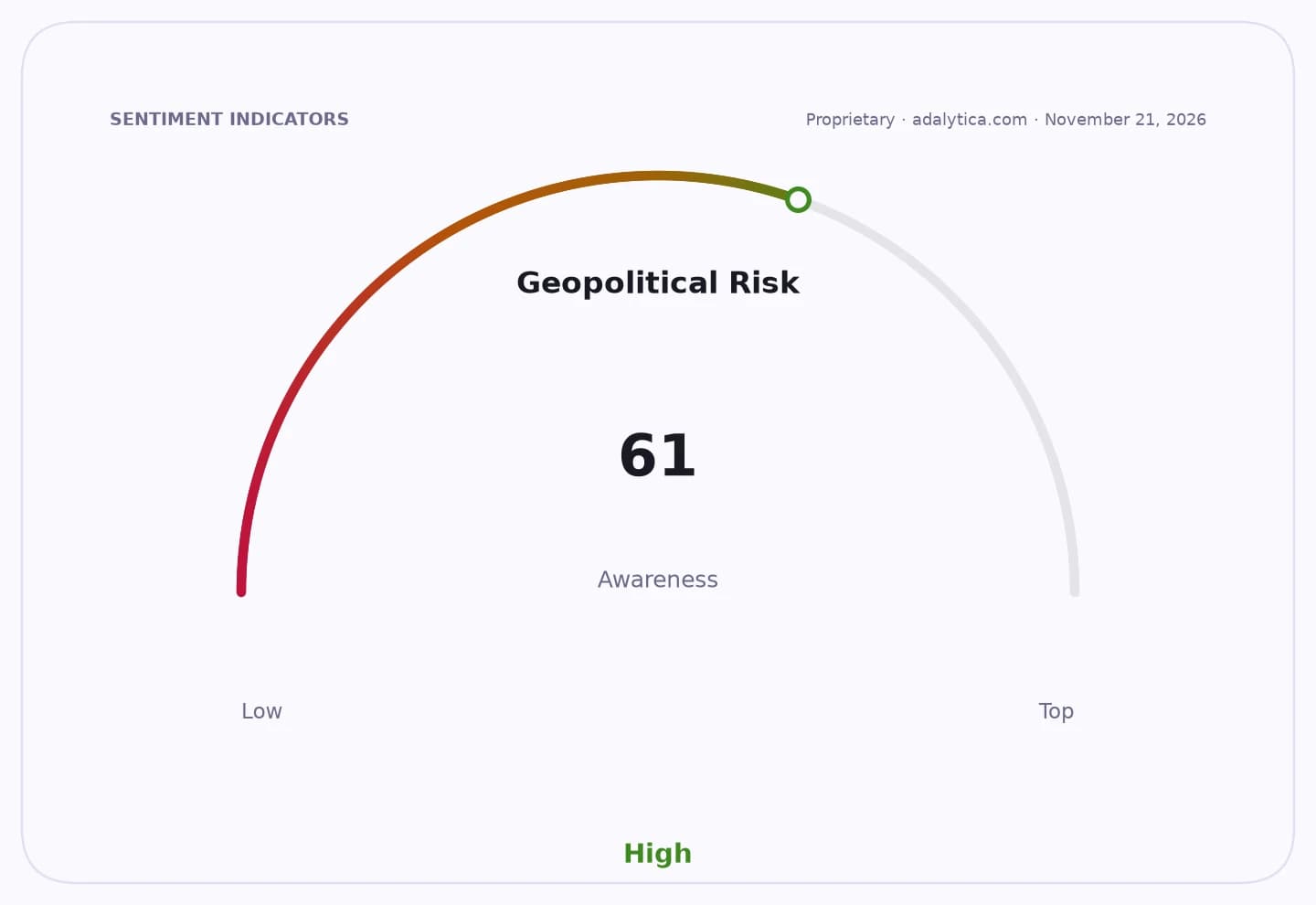
Sentiment Indicators
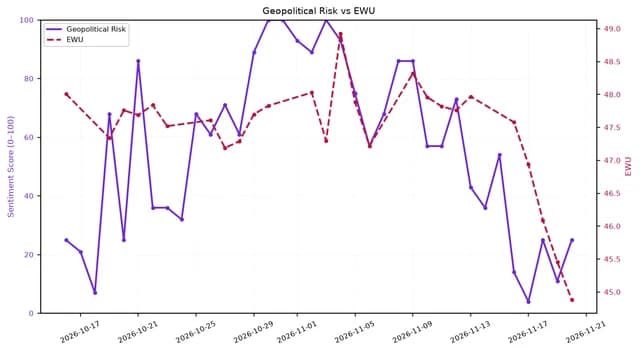
The timing is telling. EU foreign ministers have just approved fresh sanctions on Russia alongside a record financial aid package for Ukraine, even as Germany wrestles with the fiscal and political strain of continued backing for Kyiv. The conflict is no longer just a battlefield story; it is a budget story, an industrial-policy story and a market story. Europe is paying for the war through higher defense spending, energy diversification, aid commitments and a heavier burden on public finances.
Investors should care because the path of diplomacy now sits alongside the path of capital allocation. If Trump’s approach genuinely keeps Ukraine in the room, it raises the odds of a settlement that could eventually ease pressure on European growth, lower volatility in defense and energy markets, and revive selective risk appetite for Eastern Europe. If talks fracture, the market will likely keep rewarding defense names, energy-security plays and companies exposed to rebuilding critical infrastructure, while punishing assets tied to a quick normalization that never arrives.

The message from the market is already clear. EWU, the iShares MSCI United Kingdom ETF, is trading at $44.88, below its 50-day moving average of $47.23, with RSI at 32.6, a sign of weak near-term momentum even as broader European risk remains tied to the Ukraine backdrop. FXI, the China ETF, is also under pressure at $31.31, below its 50-day average of $33.66 and 200-day average of $35.10, underscoring how global investors are still reluctant to price in a clean improvement in geopolitical risk. In other words, capital is not yet paying for peace.
That is why this headline matters beyond diplomatic optics. Ukraine’s seat at the table is not just a principle; it is the condition for any deal the market might believe. Until then, the safest positioning remains with defense suppliers, energy-security beneficiaries, and infrastructure names tied to Europe’s long rearmament cycle, not with bets on an imminent return to prewar stability.
| Entity | Gains | Losses |
|---|---|---|
| Ukraine | ▲Seat in talks | ▼Risk of sidelining |
| EU defense sector | ▲Sustained spending | ▼Rapid peace dividend |
| Russia | ▲Negotiating leverage | ▼Tighter sanctions |
| European taxpayers | ▲Possible easing later | ▼Near-term aid burden |