Poland and 10 other nations staged the first exercise of the “Coalition of the Willing” at the Nowa Dęba training ground as Russian missile and drone attacks on Ukraine again forced Polish aircraft into the air and deepened pressure on NATO to strengthen eastern defenses.
Poland hosts NATO coalition exercise at Nowa Dęba
The drill matters because it turns a political pledge into a visible military capability at a moment when Warsaw says it needs more air-defense, fighter cover and reconnaissance support. Polish Defense Minister Władysław Kosiniak-Kamysz said Polish jets are scrambled dozens of times a month, sometimes several times a day, underscoring how often the country is being drawn into the security spillover from Russia’s war.
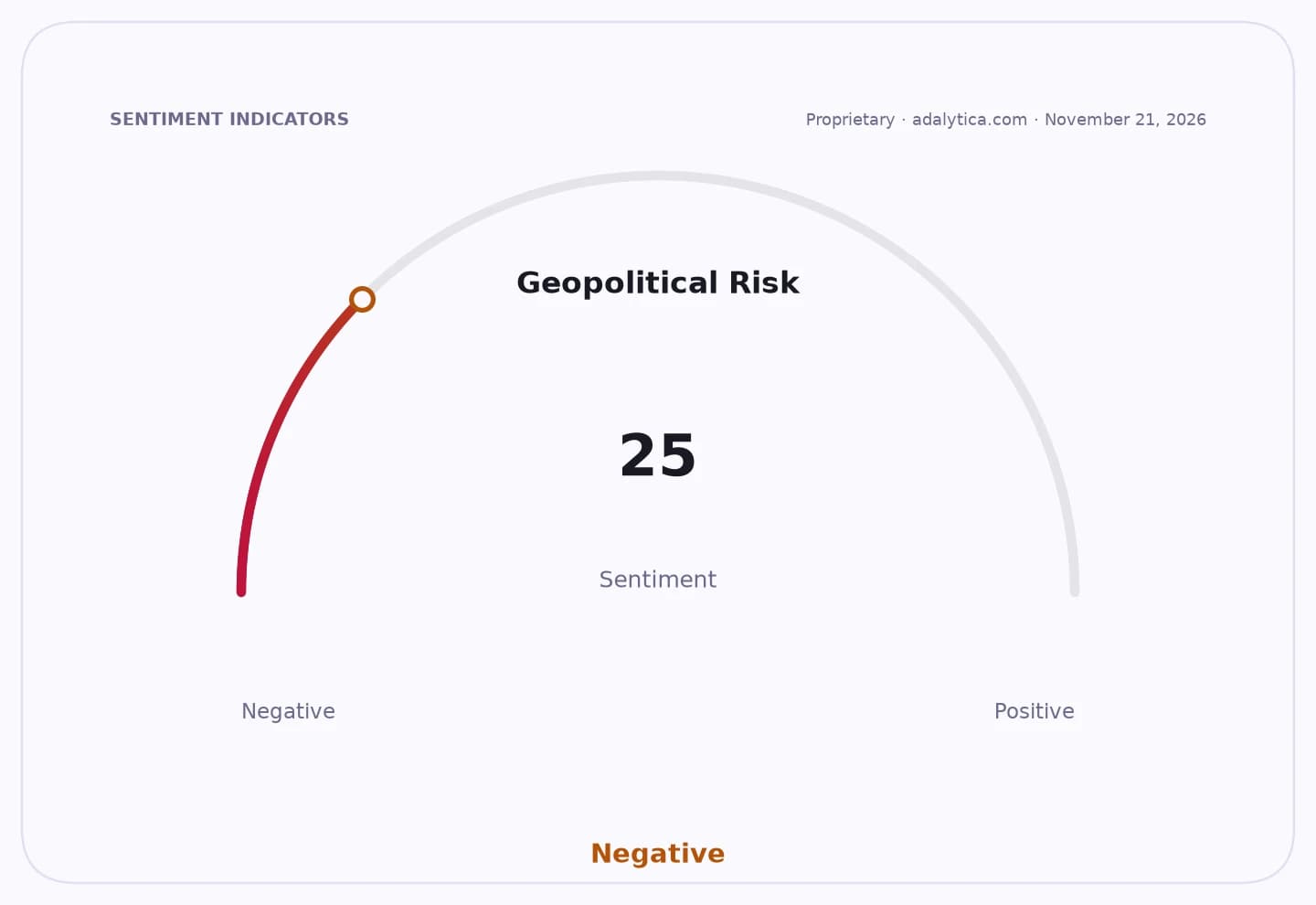
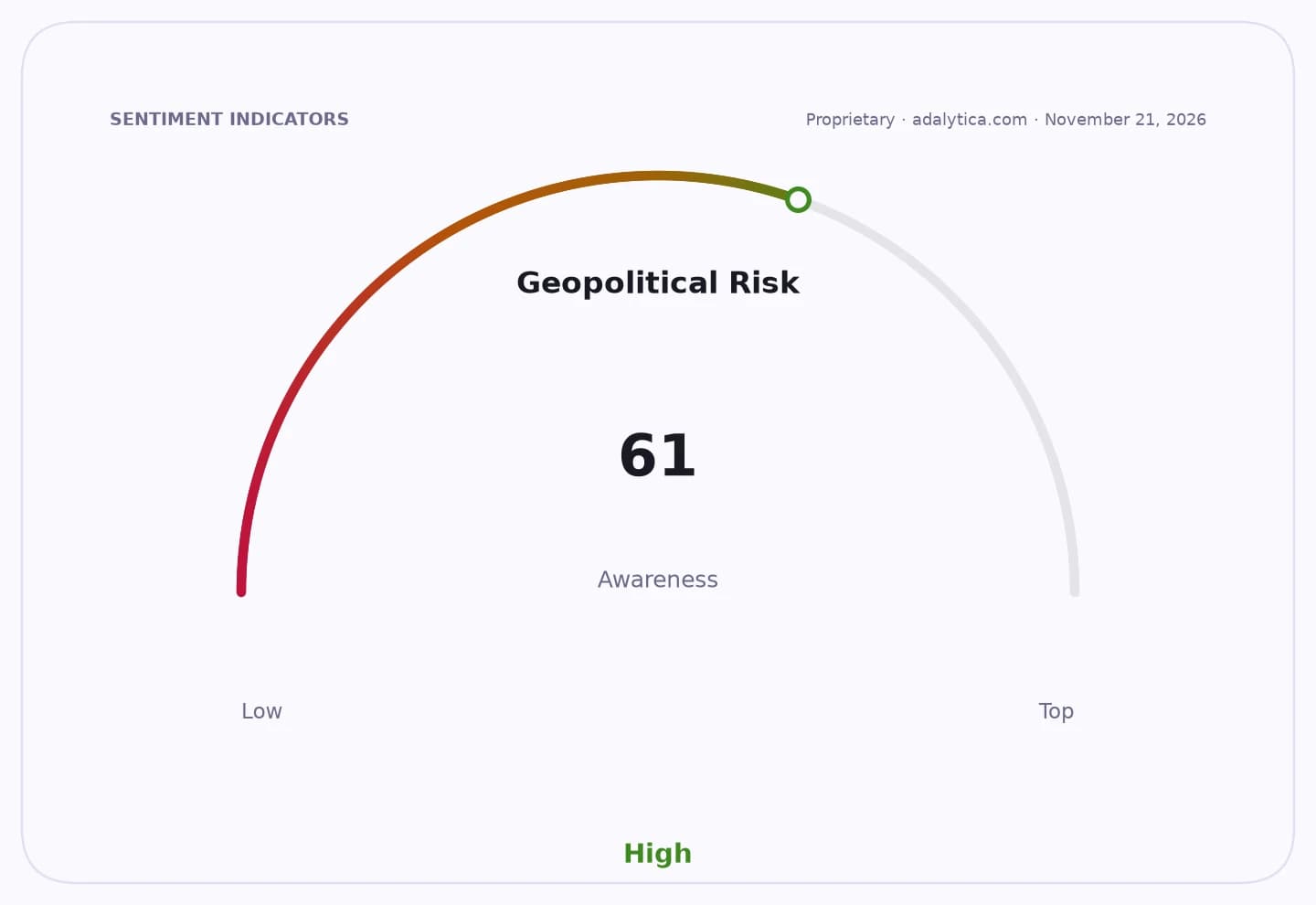
Sentiment Indicators
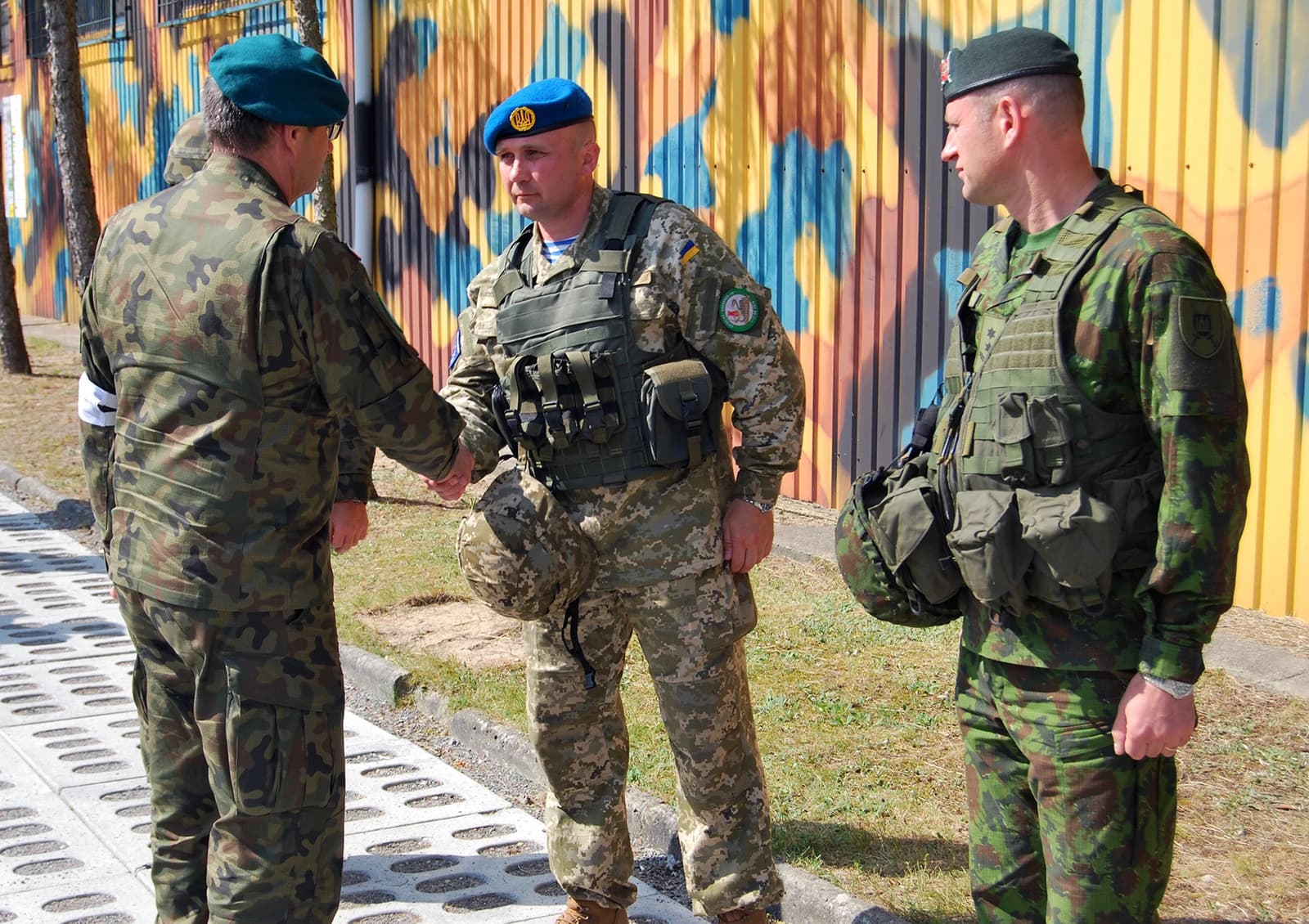
Friday’s exercise, called KOALICJA 26.2, involved about 2,800 foreign troops and about 1,800 Polish soldiers, with land, air, naval and space elements from France, Britain, Belgium, Estonia, Spain, the Netherlands, Lithuania, Germany, Sweden and Turkey. Kosiniak-Kamysz said allied participation must be stronger and warned that some ordered reconnaissance systems have still not fully arrived.
The political message was aimed squarely at Moscow. Lithuanian Defense Minister Robertas Kaunas said his country stands “shoulder to shoulder with Poland,” while Estonian minister Martin Herem said the best answer to Russia is continued support for Ukraine and more exercises like the one in Nowa Dęba. French Defense Minister Catherine Vautrin said “no one will break our unity,” and Britain’s Wes Streeting said Russian provocations are designed to divide Europe but “Europe cannot be intimidated.”
For investors, the story reinforces the case for higher European defense spending and faster procurement across NATO’s eastern flank, with demand still skewed toward air defense, surveillance and command-and-control systems. It also keeps geopolitical risk elevated for the region’s currencies and assets, even as the euro and złoty trade under separate pressure in broader markets.
The exercise is a signal that European capitals are trying to move from declarations to deployable force planning before any ceasefire or peace deal in Ukraine. The next test is whether that political unity translates into quicker deliveries, more rotating air assets and bigger NATO commitments along Poland’s border.
| Entity | Gains | Losses |
|---|---|---|
| Poland | ▲More allied backing | ▼Exposure to Russian pressure |
| NATO defense contractors | ▲Higher procurement demand | ▼Delay risk on deliveries |
| Ukraine | ▲Stronger support network | ▼Less certainty on aid pace |
| Russia | ▲None | ▼Greater allied coordination |