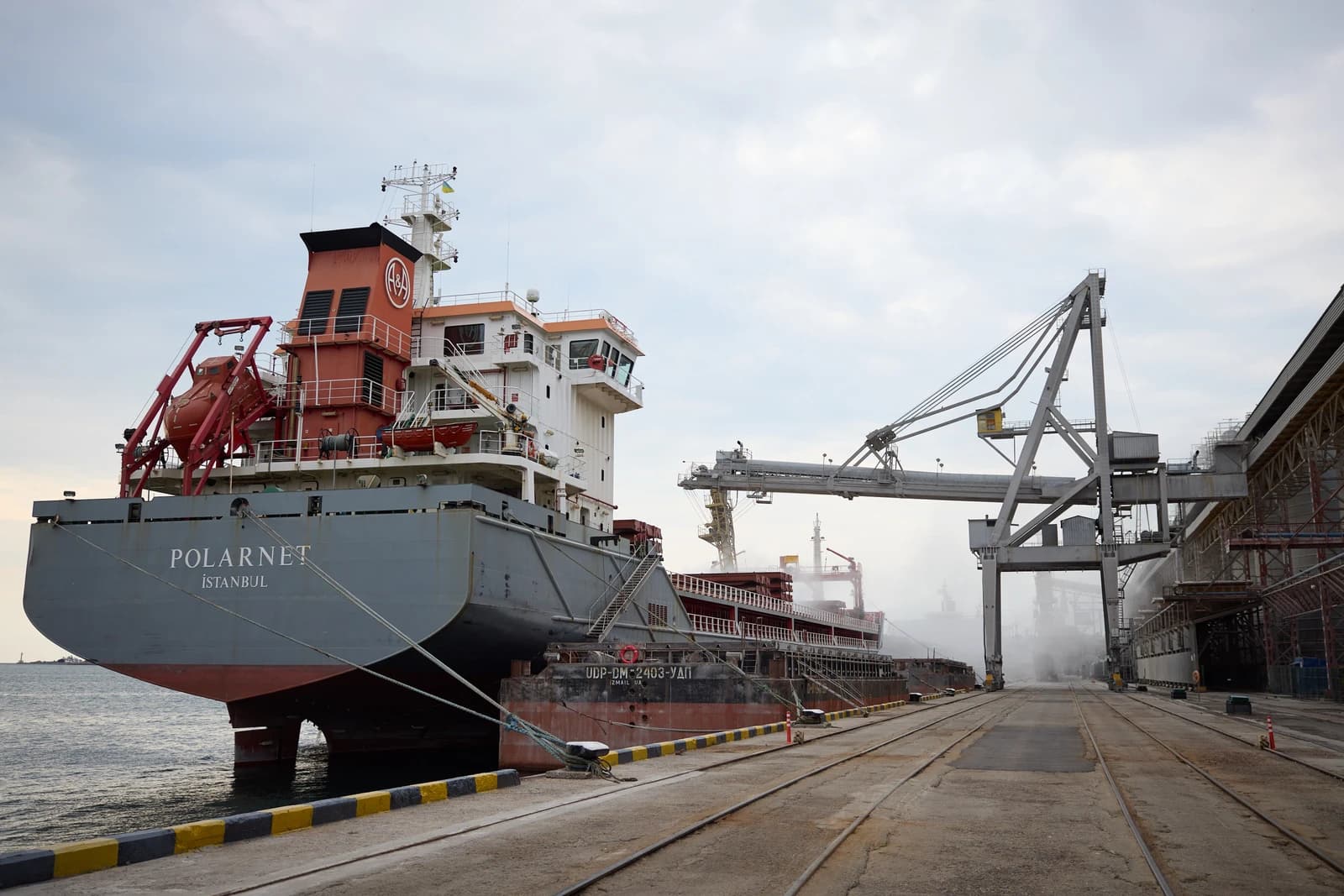
Ukraine is pushing to move inspections of grain carriers deeper into the European Union, a step that could ease bottlenecks at its western border and make agricultural exports safer and more predictable as the war continues to disrupt trade routes.
Ukraine seeks EU-side grain inspections
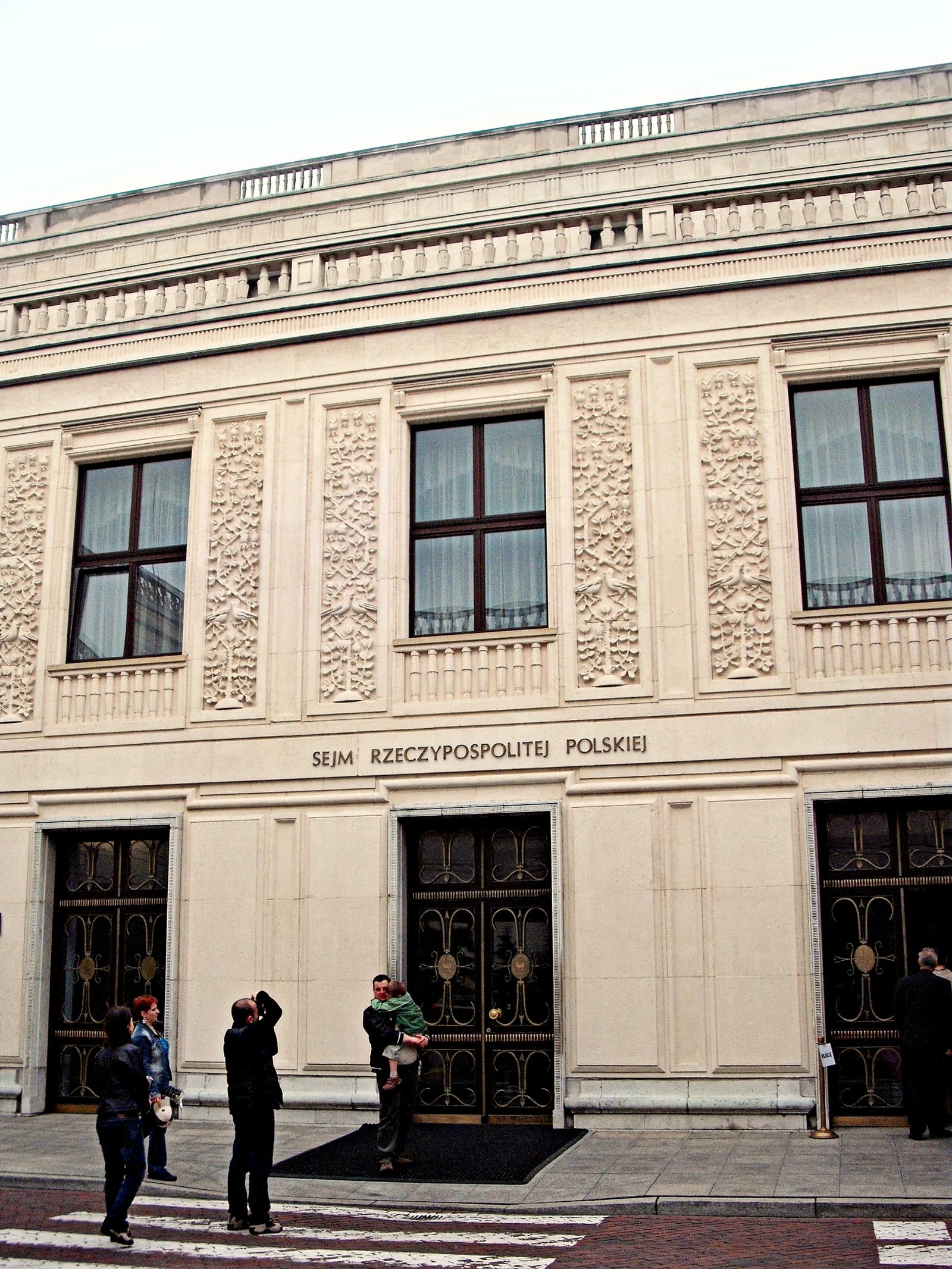
The proposal, floated to Poland and Slovakia, would shift customs and inspection checks away from the frontier and onto EU territory, Ukraine said, with the goal of reducing risks for carriers transporting farm goods into Europe. Kyiv wants to reach an agreement with Warsaw quickly and formalize the new arrangement in a bilateral deal, while also considering extending the model to other neighboring states.
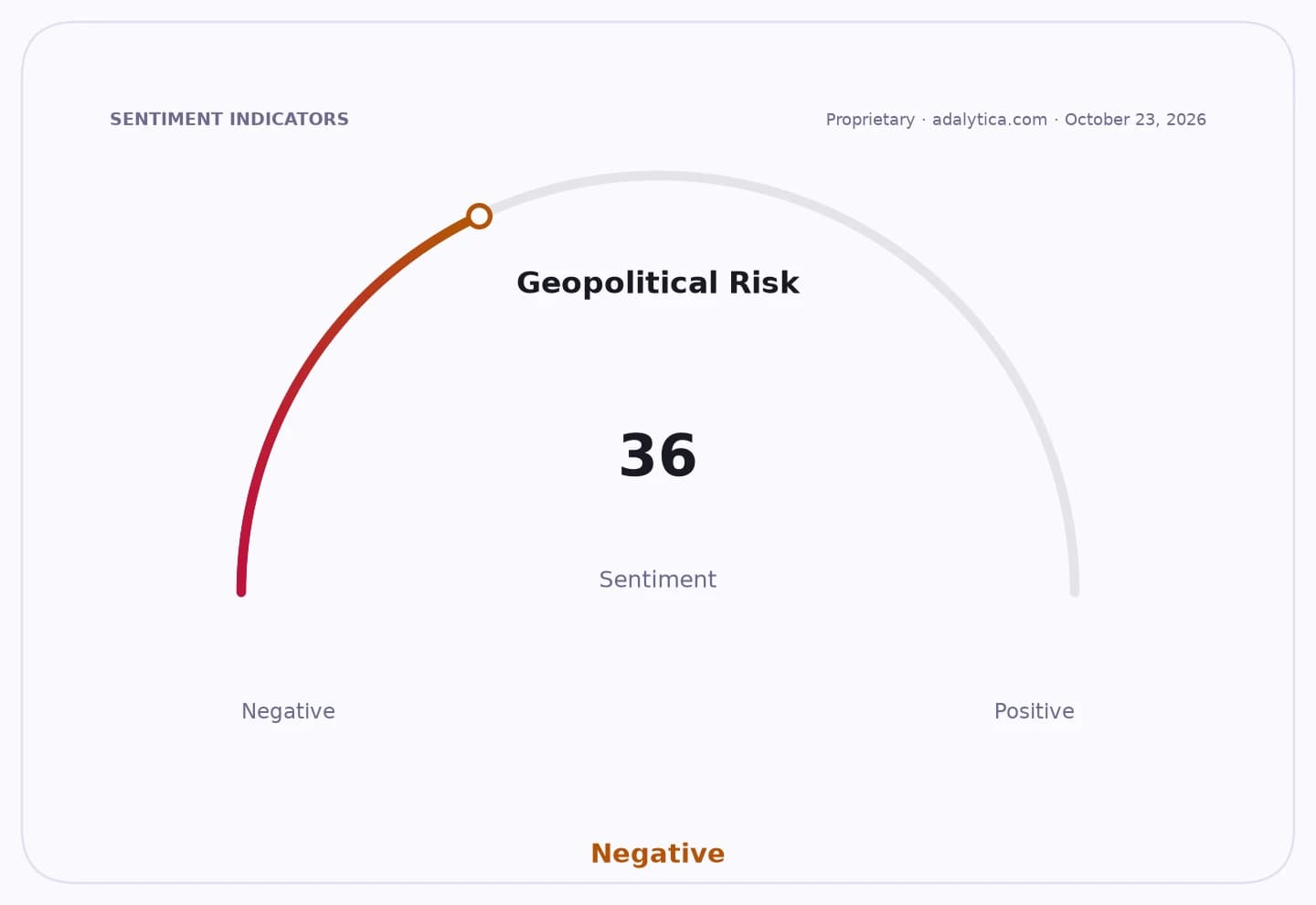
Sentiment Indicators
For grain traders and farmers, the economics are straightforward: every delay at the border adds cost, raises insurance and security risks, and can slow shipments at a time when Ukraine is trying to preserve export volumes and hard-currency earnings. More efficient crossings matter because agricultural exports remain one of the country’s few major revenue streams and are central to global food supply chains.
The plan also fits a wider European trend toward pushing more customs processing inside recipient countries. The European Commission has already backed Moldova in placing all customs inspection points on its own territory, underscoring a broader effort to keep freight moving even when border infrastructure is vulnerable.
Markets tied to grain flows are already sensitive to any change in transit rules. U.S.-listed grain trackers such as the Teucrium Wheat Fund, which tracks wheat prices, have shown sharp swings in recent months as traders gauge shipping disruptions, route changes and export competition from the Black Sea region.
The move comes as the war has reshaped agricultural logistics across Eastern Europe, forcing exporters to look for safer and faster corridors. If Ukraine secures a deal with Poland, it could lower friction for cross-border grain trade and provide a template for other neighbors, but the initiative still depends on political agreement and how quickly customs systems can be adapted.
For investors, the key risk is execution: a deal that speeds transit would support Ukrainian export capacity and potentially weigh on freight bottlenecks, while any delay would keep pressure on regional logistics and keep wheat markets sensitive to fresh geopolitical headlines.
| Entity | Gains | Losses |
|---|---|---|
| Ukraine exporters | ▲Faster crossings | ▼Border delays |
| Polish and Slovak logistics firms | ▲Smoother freight flows | ▼More border friction |
| Wheat traders | ▲Better route visibility | ▼Supply uncertainty |
| Border inspectors at frontier posts | ▲N/A | ▼Less control at border |