Ukraine’s move against a sprawling telephone-fraud industry has become a test of whether Kyiv can clean up a wartime economy that, by some estimates, funneled billions of dollars through call centers that first targeted Russians and later victims in the West and at home.
Ukraine cracks down on phone-fraud call centers
The scandal matters because it sits at the intersection of war finance, corruption and Ukraine’s effort to preserve Western support. What began as a covert source of money for anti-Russian activity metastasized into a mass-market fraud network with political protection, according to Ukrainian media reports and a March study by the Global Initiative Against Transnational Organized Crime. That combination has now triggered raids, arrests and tougher legislation, while also embarrassing the prosecutor’s office and the presidential administration.
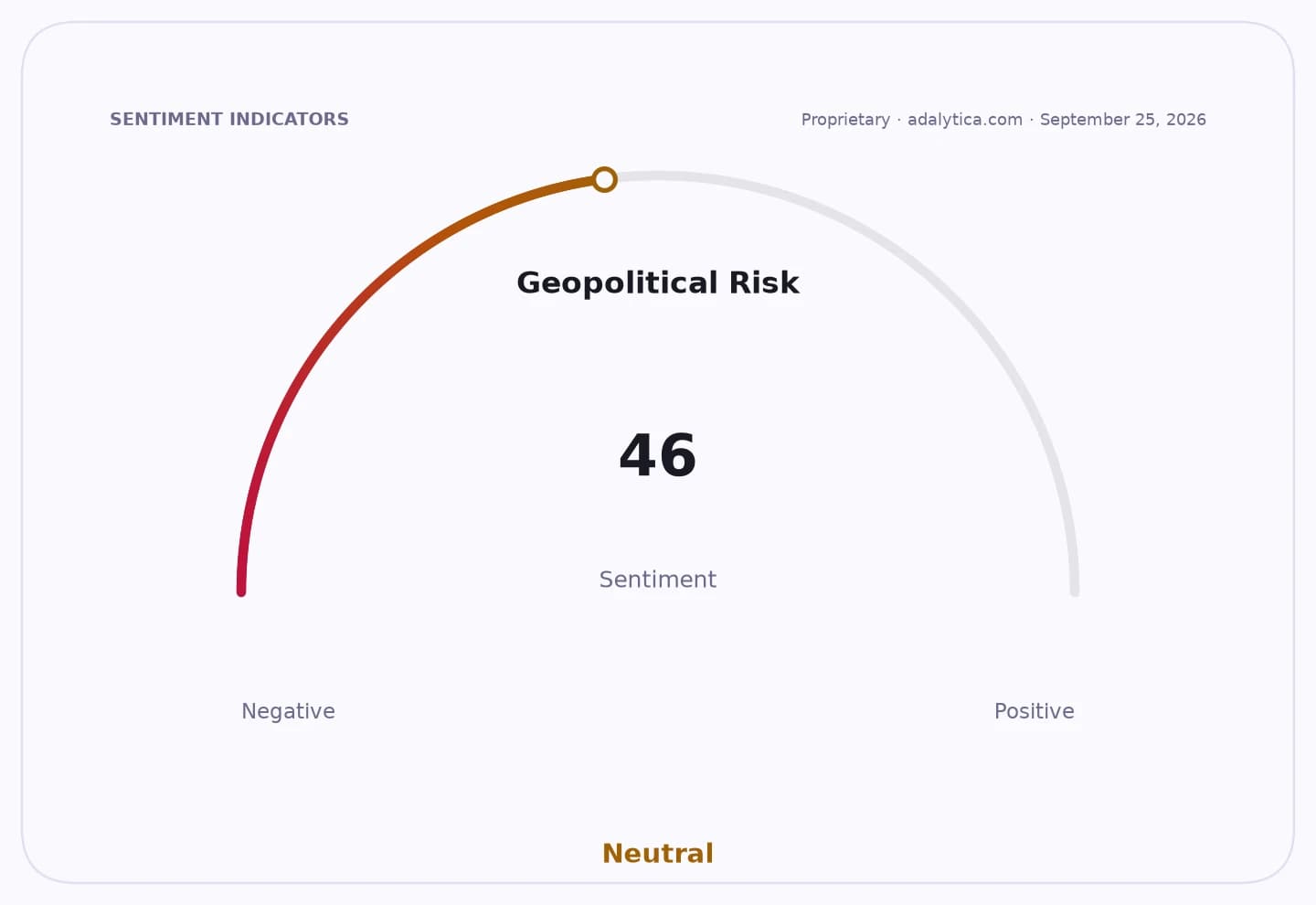
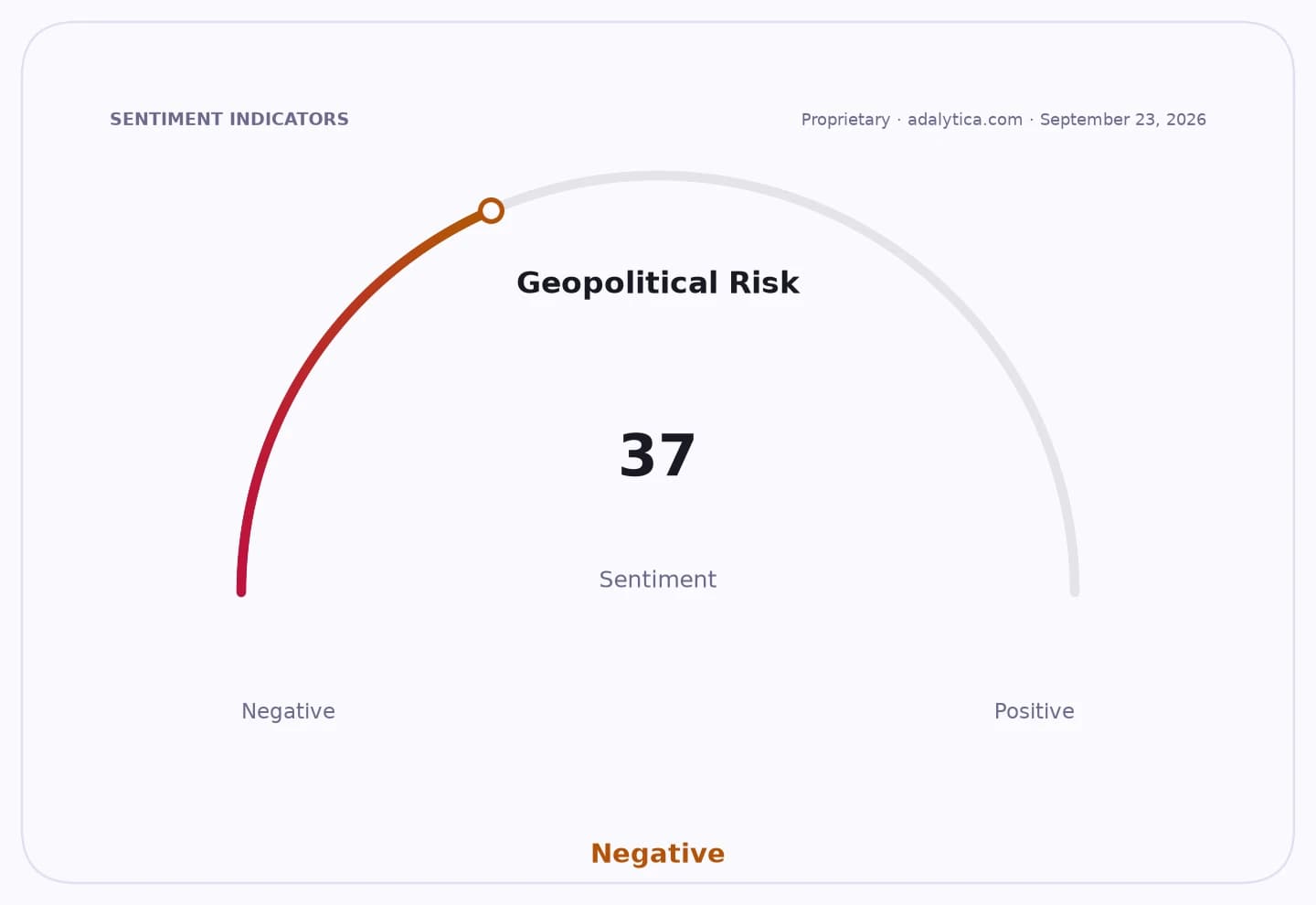
Sentiment IndicatorsⓘProprietary · adalytica.com · September 20, 2026
This is a snapshot — live sentiment, awareness and momentum for 130+ markets update continuously in the dashboard.Open AlphaPulse
The scale is what makes the episode more than a domestic corruption case. Russian state-owned lender Sberbank said in September that Ukrainian phone scammers had stolen or extorted roughly 250 billion rubles, or about 2.5 billion euros, from Russian residents in 2024 and could reach 300 billion rubles by year-end. The Global Initiative said the industry employed about 60,000 people in Ukraine, generated monthly profits of about $1 billion, and had become more lucrative than narcotics trafficking. It also said only 10% to 15% of activity was aimed at Russia, with most of the business directed at the EU, the U.S. and Canada.
That shift explains why the story reverberates far beyond Ukraine. If the industry was initially tolerated because some of the money was redirected to the armed forces, the model became economically and politically toxic once Western victims and Ukrainian citizens were increasingly targeted. It also created a reputational risk for Kyiv at a time when it is asking the U.S. and Europe for military aid, financial support and sanctions enforcement against Moscow.
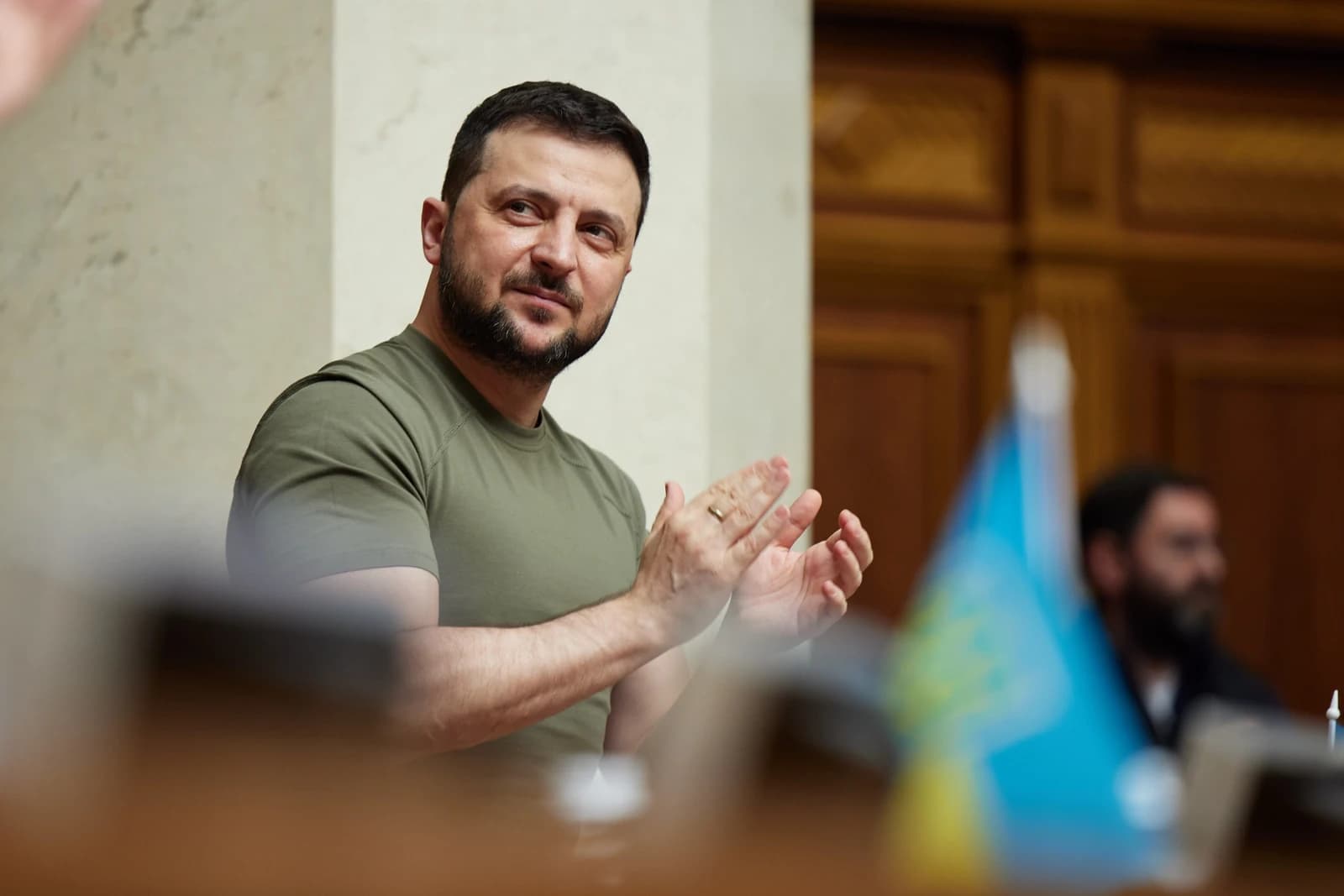
The political damage has been severe. Ukraine’s anti-corruption bureau said officials in the prosecutor’s office protected call centers in exchange for bribes. A deputy department head, Serhiy Kropyva, was detained, and prosecutors said others may have been involved. President Volodymyr Zelensky later signed off on the dismissal of Prosecutor General Ruslan Kravchenko after NABU said he had knowledge of the bribery scheme. Kirilo Budanov, head of the presidential office and former military intelligence chief, acknowledged that the prosecutor’s escape abroad would hurt the state’s image.
For investors, the episode is a reminder that wartime economies can produce distortions that eventually spill into sovereign-risk pricing, aid flows and domestic governance. Ukraine has already tightened the law, with penalties for such fraud now set to rise to 12 years in prison and asset forfeiture, and authorities say most of the call centers are shut. But the effectiveness of the crackdown will matter more than the announcement itself: Western partners will judge whether the state can dismantle protected criminal networks, while criminals will be watching to see whether enforcement is sustained or episodic.
There is also a broader cyber and security angle. Moscow has long portrayed these networks as part of Ukraine’s wider hybrid warfare effort, while Ukrainian accounts describe them as an informal extension of the war effort. Either way, the financial flows have become large enough to shape both domestic politics and the battlefield narrative. The next test is whether Kyiv can turn a scandal that exposed systemic corruption into a credible cleanup that reassures donors and closes one more channel of wartime rent-seeking.
| Entity | Gains | Losses |
|---|---|---|
| Ukraine’s anti-corruption agencies | ▲More leverage | ▼Institutional trust |
| Ukrainian call-center operators | ▲Short-term profits | ▼Raids and arrests |
| Russian consumers and state lenders | ▲Little | ▼Large fraud losses |
| Western donors and investors | ▲Cleaner governance if crackdown holds | ▼Confidence if corruption persists |