The White House’s point man on Ukraine is signaling that only a negotiated compromise can end the war, even as Volodymyr Zelensky says the conflict will keep grinding on without a breakthrough, underscoring how far apart the two sides remain and how little appetite there is for a quick settlement that would reshape Europe’s security and energy markets.
Ukraine war talks keep markets on alert

For investors, the message matters because a durable ceasefire would ripple through sovereign-risk pricing, defense spending, European growth expectations and energy flows, while a prolonged war keeps those premiums embedded in assets from Eastern European bonds to defense contractors and oil-linked trades. The latest diplomatic tone is softer, but it does not yet amount to progress: Moscow and Kyiv have not held formal peace talks since February, and the war’s economic drag continues to sit beneath the surface of markets.

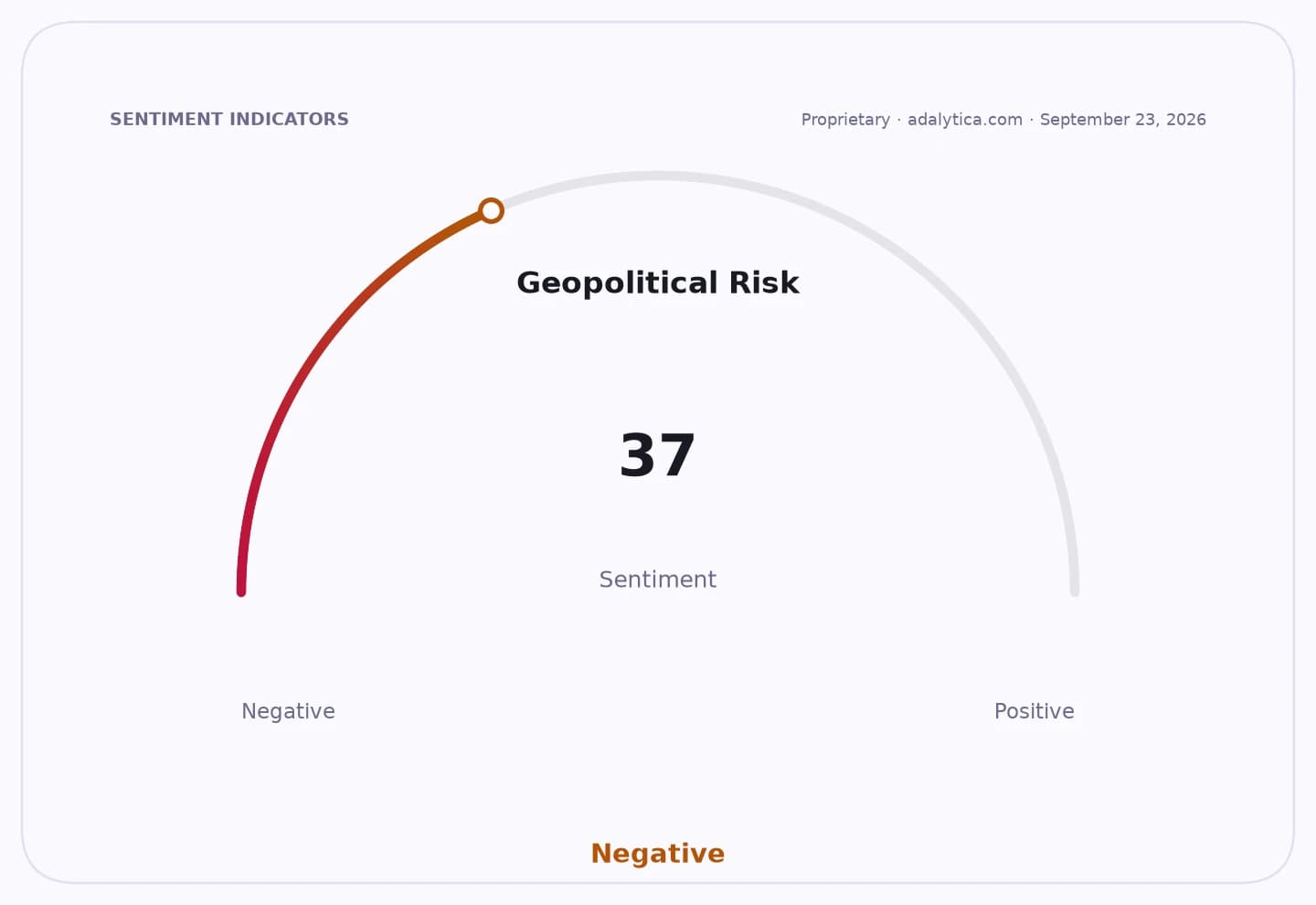
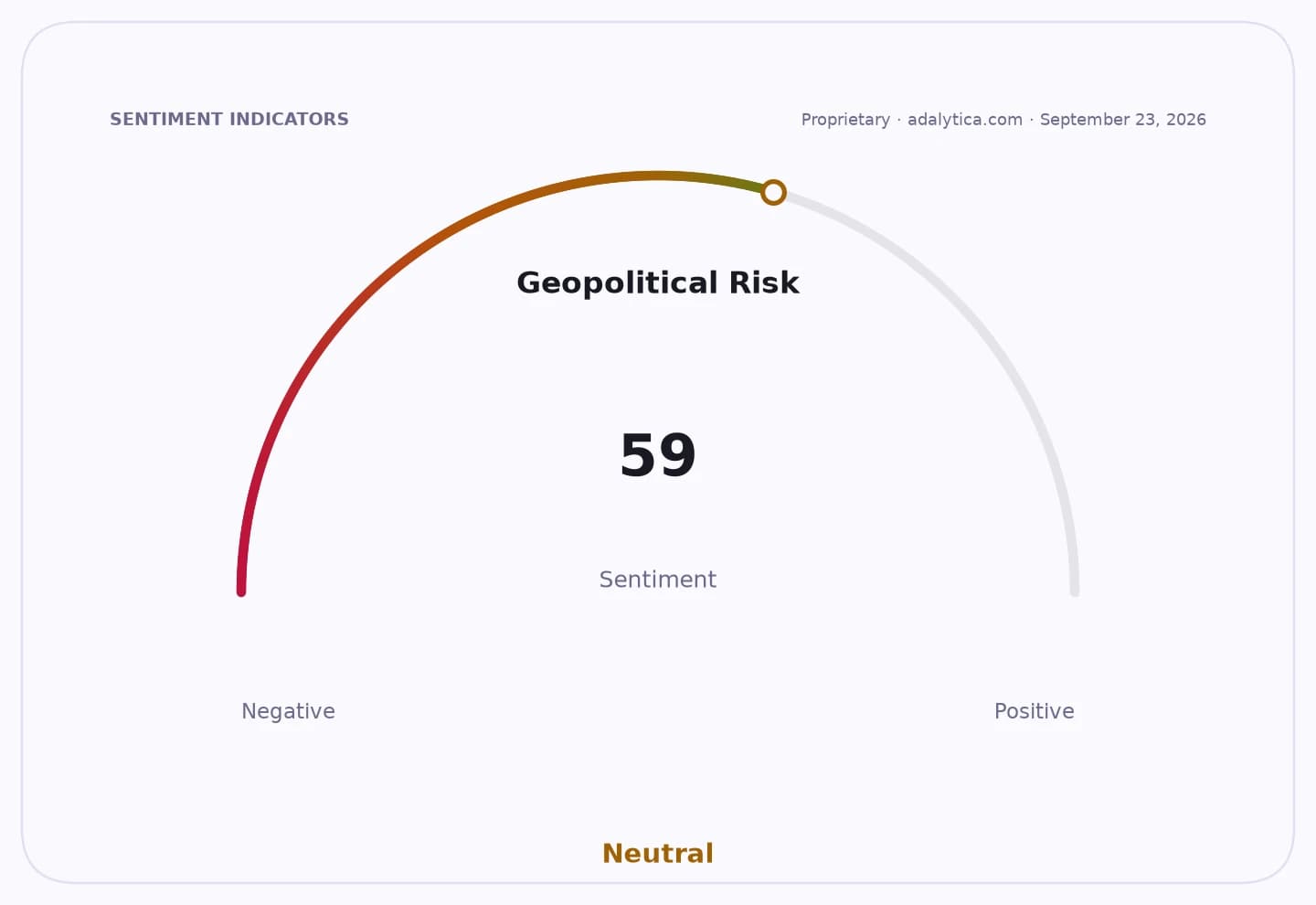
That tension is already visible in risk gauges. Adalytica’s Global Stability Sentiment dropped to 30, a “Fear” reading, from 74 the previous day, showing how quickly geopolitical confidence can reverse when the war outlook darkens. The sharp swing suggests investors are still treating the conflict as a live macro risk rather than a fading background issue.
Markets have been pricing that uncertainty in a familiar way. Canada’s iShares MSCI Canada ETF, EWC, has climbed to $62.04 from $59.29 on July 29, with the 50-day moving average at $60.17 and the 200-day at $56.77, indicating a constructive trend even as the war keeps commodity and defensive flows in focus. Germany’s EWG has also risen to $43.89 from $40.59 on July 23, recovering above both its 50-day and 200-day moving averages. That rebound reflects the market’s balancing act: any hint of diplomacy helps European cyclicals and energy-importing economies, but the absence of a concrete deal leaves room for volatility.
Geopolitical Risk — 30-day sentimentadalytica.com
Explore this data interactively — full history, time series and cross-market comparisons.Open AlphaPulse

The bond market backdrop reinforces why a settlement would matter. The US 10-year Treasury yield is around 4.77% to 4.80%, a level that keeps financing conditions restrictive and limits policymakers’ room to absorb a prolonged conflict without economic cost. Higher real yields make the case for peace more, not less, important, because war-related spending, sanctions and supply disruptions all compound pressure on already tight financial conditions.
For Ukraine, the strategic implication is stark. Zelensky’s view that the war continues suggests Kyiv sees little value in signaling compromise without security guarantees, while Trump’s envoy appears to be pushing the opposite direction: that some form of political trade-off is inevitable if the killing is to stop. For Russia, any real concession would likely be framed as a negotiated outcome that preserves gains on the ground. That is why the gap between “talks about talks” and actual negotiation remains so wide.
The bull case for markets is straightforward: even a limited diplomatic opening could ease European risk premia, support industrial activity in Germany and reduce the odds of fresh energy shocks. The bear case is that rhetoric softens without changing battlefield realities, leaving investors with another round of headline risk but no reduction in the structural uncertainty that has governed the war for years.
What happens next will hinge on whether the current language translates into direct engagement. Until then, investors are likely to treat Ukraine as a source of periodic sentiment shocks rather than a resolved geopolitical chapter.
| Entity | Gains | Losses |
|---|---|---|
| Ukraine peace advocates | ▲Diplomatic opening | ▼Delayed settlement |
| Defense stocks | ▲Prolonged war spending | ▼Any ceasefire |
| European importers | ▲Lower energy-risk premium | ▼Continued disruption |
| Russia/Ukraine negotiators | ▲Room for talks | ▼Battlefield stalemate |