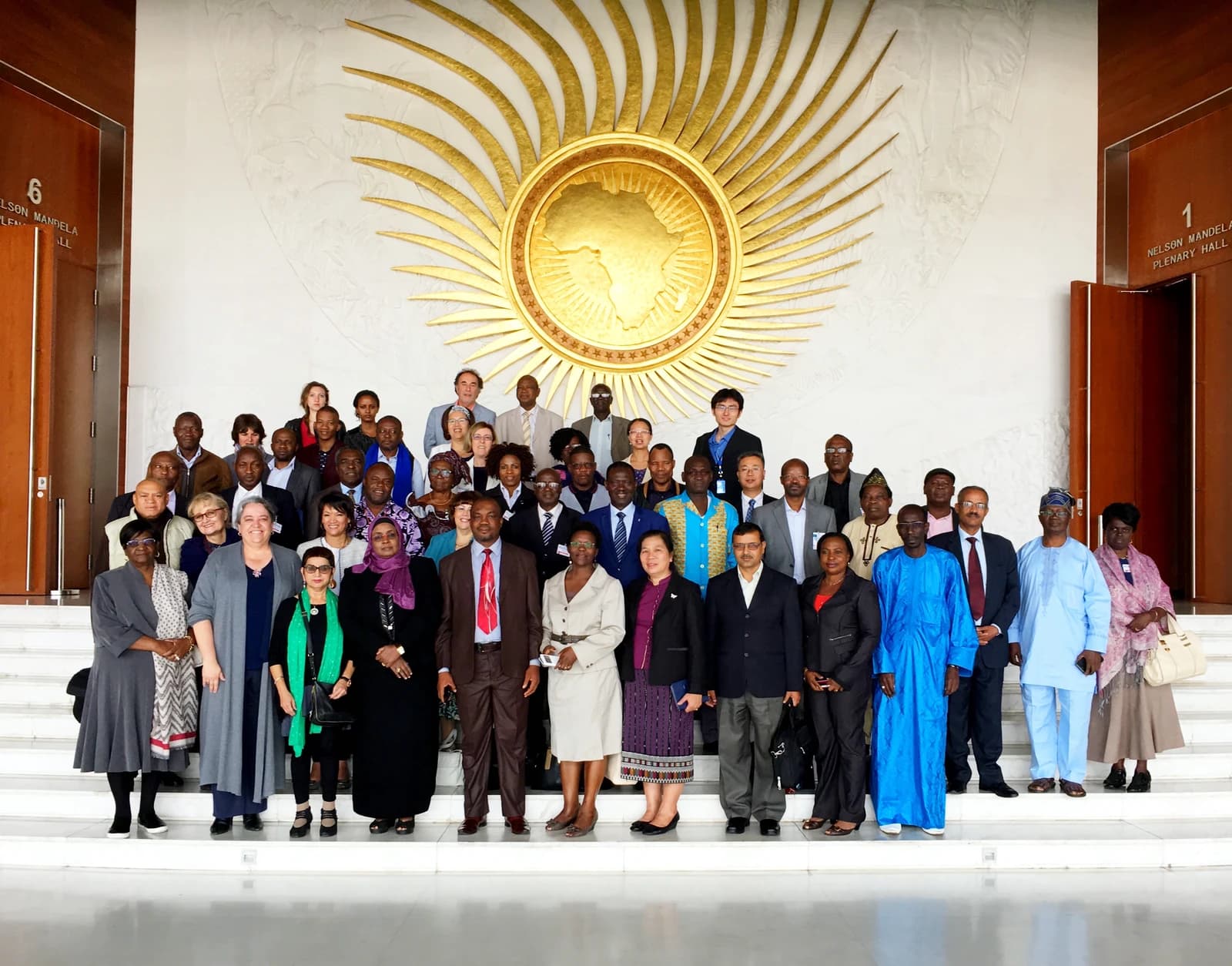
The United Nations General Assembly has backed a Togo-led effort to promote a new world map that shows Africa’s true size more accurately, a symbolic win for the African Union that could reshape how governments, schools and technology companies depict the continent.
UN backs Africa map size reform resolution
The nonbinding resolution passed 164-6 with six abstentions and only the United States voting against it. While it does not ban the long-used Mercator projection, it urges institutions to adopt the Equal Earth map, or other equal-area projections, when relative land sizes matter.
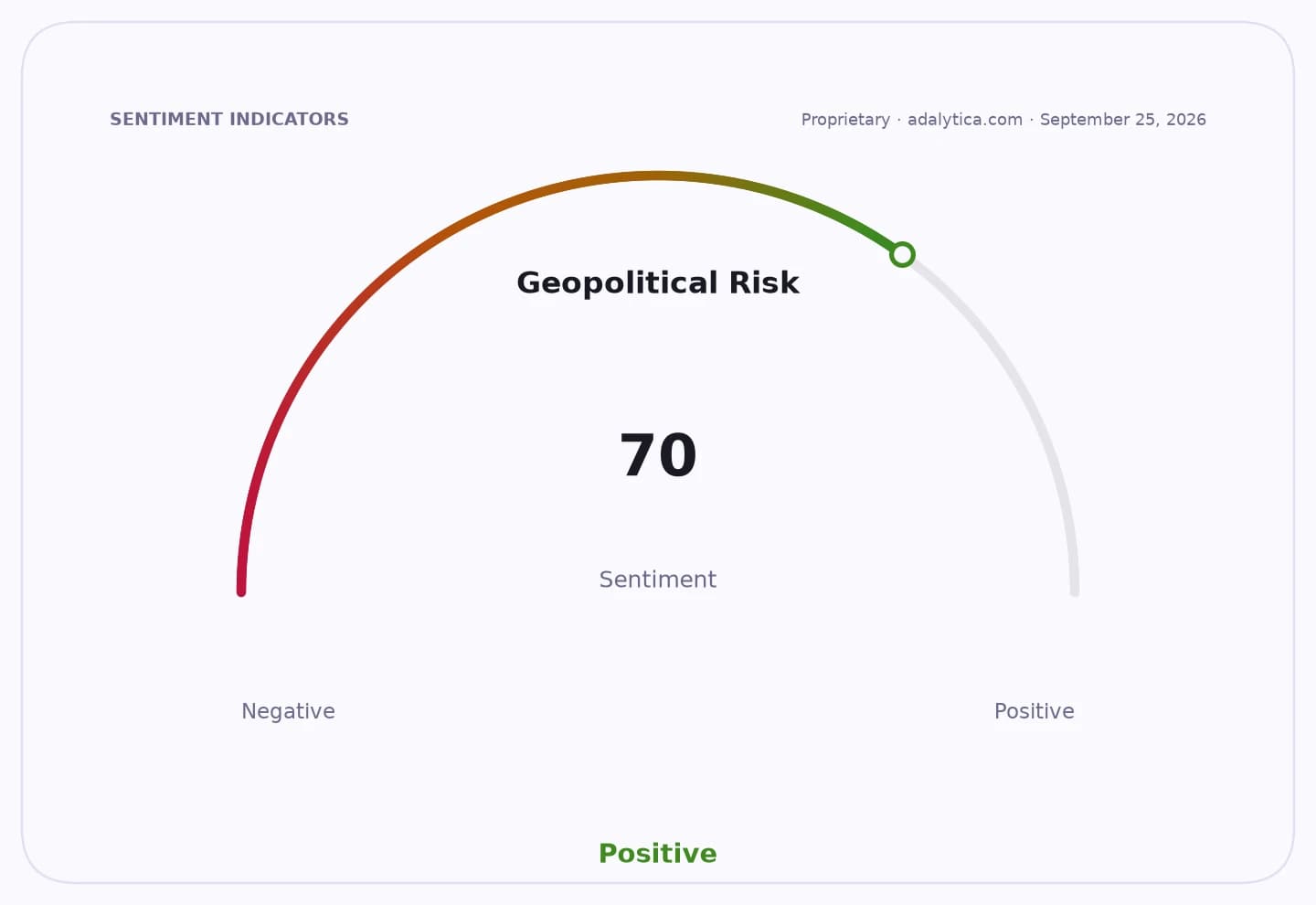
Sentiment IndicatorsⓘProprietary · adalytica.com · September 5, 2026
This is a snapshot — live sentiment, awareness and momentum for 130+ markets update continuously in the dashboard.Open AlphaPulse
The vote matters because map projections are not just cartographic choices. Africa has long argued that the Mercator projection distorts perceptions of the continent by shrinking its apparent size, reinforcing a skewed view of its economic and geopolitical weight. On a globe, Africa is nearly 14 times larger than Greenland, yet the standard wall map can make Greenland appear comparable in size.
For African governments and the African Union, the resolution is a low-cost but high-visibility diplomatic victory. Togo’s foreign minister, Robert Dussey, called the result a “historical moment,” framing the issue as one of dignity, equality and how the world is seen.
For investors, the immediate market impact is limited, but the broader relevance is in narrative and influence. A shift toward more accurate mapping could gradually affect education, media, government communications and digital platforms, all of which shape how policy, trade and investment opportunities in Africa are perceived.
The U.S. rejection underscores the political sensitivity around the move, which Washington described as part of a “radical ideological” project. The resolution’s effect will depend on whether schools, multilateral agencies and tech firms change their default mapping choices ahead of future policy debates and public campaigns.
| Entity | Gains | Losses |
|---|---|---|
| African Union / Togo | ▲Diplomatic visibility | ▼None immediately |
| Equal Earth projection | ▲Official backing | ▼Mercator dominance |
| Schools / tech platforms | ▲More accurate maps | ▼Legacy mapping routines |
| United States | ▲None | ▼Diplomatic isolation on vote |