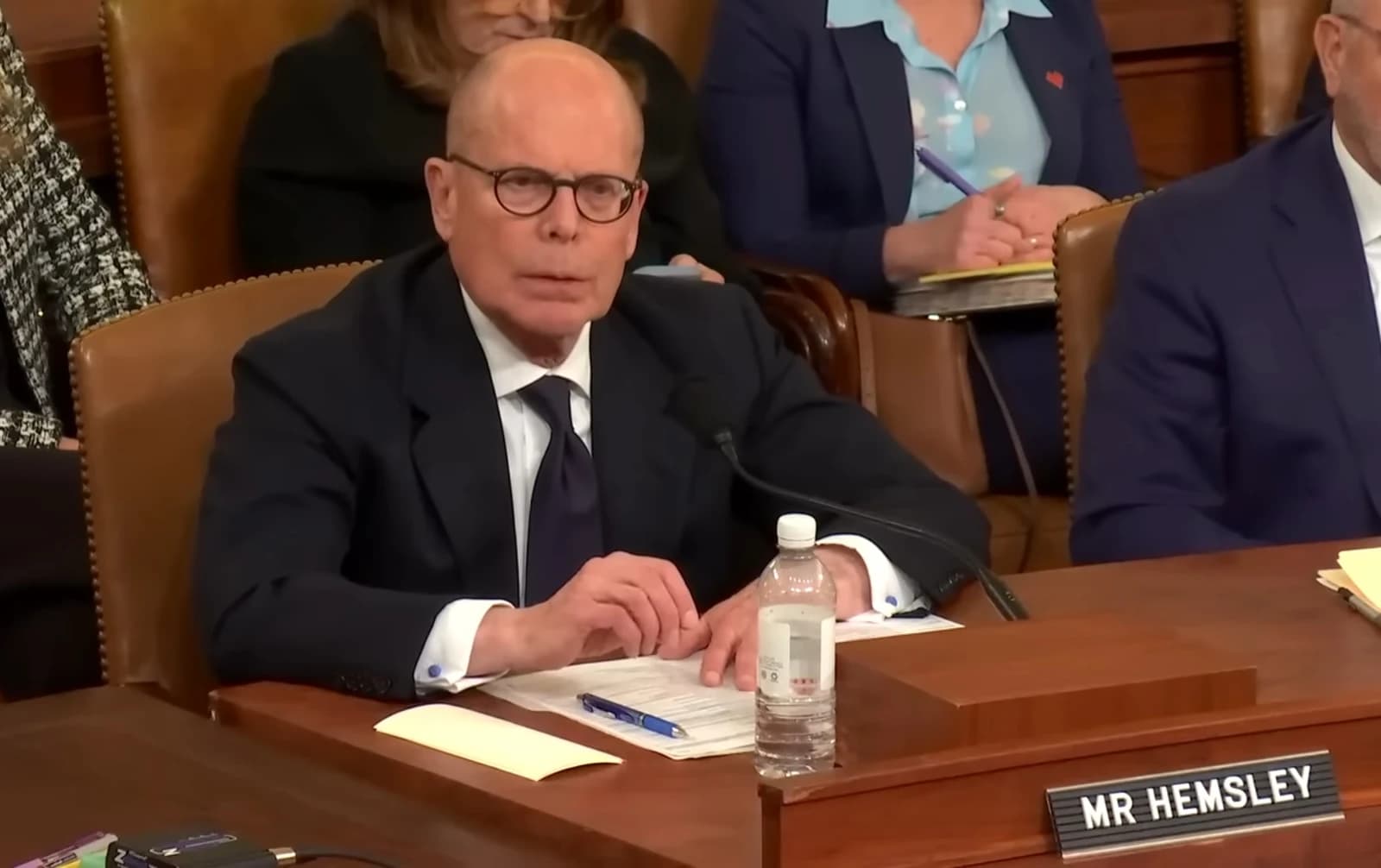
UnitedHealth, Humana and CVS are under pressure after the U.S. moved to tighten how Medicare Advantage plans are rated, raising the stakes for bonus payments that help drive revenue and margins across the managed-care industry.
UnitedHealth, Humana, CVS face Medicare Advantage rule change
Healthcare
The policy shift hits a core profit engine for the biggest Medicare Advantage operators. Star ratings determine which plans qualify for lucrative government bonuses, so any tougher scoring regime can directly reduce future revenue, squeeze margins and force insurers to spend more to protect their benefits and enrollment.
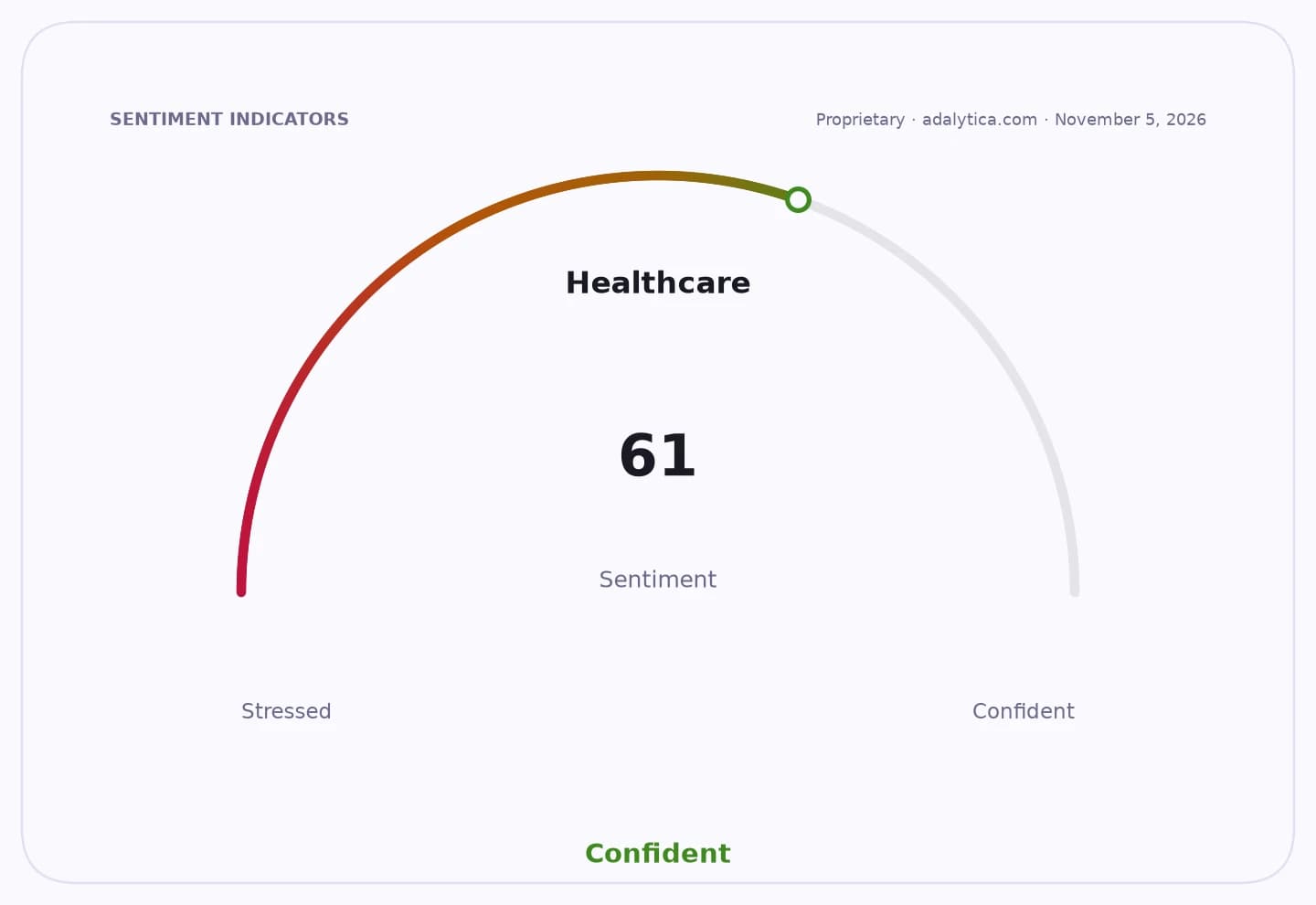
Sentiment Indicators
UnitedHealth shares were last down 0.9% at $346.19, after the stock has swung sharply from a 2026 high above $425 and a 2026 low near $263. Humana rose 0.9% to $406.51 after a recent slide from above $460, while CVS was little changed at $81.06, still far below its July peak above $109. All three names have been volatile as investors weigh regulation, medical-cost pressure and the pace of Medicare Advantage repricing.
The selloff comes as the sector already faces tighter funding assumptions. UnitedHealth said in its latest filing that continued funding pressure has led to benefit and pricing actions and has contributed to contraction in Medicare Advantage membership. CVS said more than 69% of its Medicare Advantage members were in plans with 2027 star ratings of at least four stars, versus more than 81% a year earlier, underscoring how sensitive the business is to the rating system.
Healthcare vs UNHadalytica.com
Explore this data interactively — full history, time series and cross-market comparisons.
For investors, the issue is less about one quarter than about the durability of earnings power in a business model built on scale, government reimbursement and bonus economics. Higher-quality ratings support higher payments and can help offset medical inflation; lower ratings can pressure both enrollment and profitability, especially for insurers already trimming benefits to defend margins.
The market reaction also reflects a broader reset in healthcare sentiment. Adalytica’s Healthcare Spending Sentiment gauge was at 46, a neutral reading, while the S&P 500 trade signal sat in fear, showing investors remain cautious around policy-sensitive sectors.
The next catalyst is how insurers respond in 2027 bids and whether they can preserve star ratings without giving up too much margin. Any further changes from Washington on Medicare Advantage quality scores, reimbursement or risk adjustment are likely to remain a key swing factor for the group.
| Entity | Gains | Losses |
|---|---|---|
| U.S. regulators | ▲More scrutiny of plan quality | ▼Insurers’ bonus economics |
| UnitedHealth, Humana, CVS shareholders | ▲Potential clarity on rules | ▼Near-term earnings visibility |
| Medicare Advantage beneficiaries | ▲Stronger plan oversight | ▼Risk of tighter benefits |
| Competitors with stronger ratings | ▲Larger bonus pool share | ▼Lower-rated rivals |