Target Healthcare REIT reported a modest increase in asset values in the first quarter, a sign that healthcare property prices are still holding up even as parts of the broader real estate market remain under pressure.
Target Healthcare REIT Reports Higher Q1 Asset Values
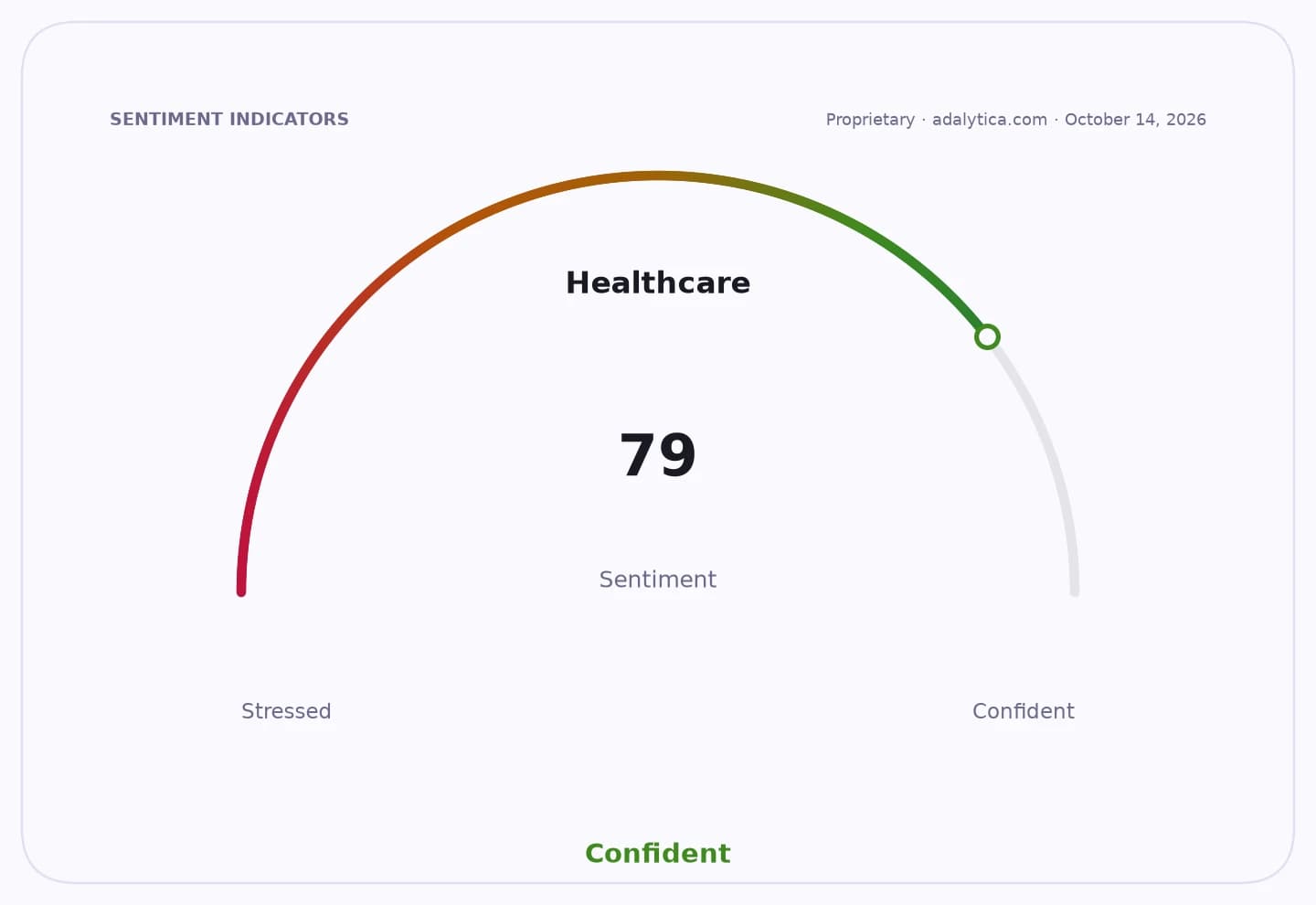
Healthcare
The move matters because healthcare REIT valuations are tied not just to rent collections, but to the durability of cash flows from an aging population, operator demand and access to financing. A stable or improving asset base supports net asset value, dividend coverage and the ability to recycle capital into new acquisitions or redevelopment.
Sentiment Indicators
The update also comes against a mixed backdrop for the sector. U.S. healthcare REITs have continued to see deal activity, with peers such as Omega Healthcare Investors expanding through acquisitions, while others, including Diversified Healthcare Trust, have faced earnings disappointment and more cautious guidance. That divergence underscores how investors are separating trusts with steadier portfolios and capital discipline from those with weaker operating trends.
The stock backdrop reflects that split. Target Healthcare REIT’s shares have been firm, and technical indicators show the stock recently moved above both its 50-day and 200-day moving averages, while RSI readings have stayed elevated, suggesting investors have been willing to pay up for defensive healthcare exposure. Healthcare Realty Trust and Ventas have also recovered from earlier weakness, pointing to renewed interest in the group.
For investors, the key question is whether the first-quarter asset uplift is the start of a broader re-rating or just a temporary mark-up in a still-selective market. The next read-through will come from further portfolio updates, transaction activity and any signs that healthcare operators can keep occupancy and rent growth stable enough to support valuations.
| Entity | Gains | Losses |
|---|---|---|
| Target Healthcare REIT | ▲Higher asset values | ▼Pressure to prove durability |
| Healthcare REIT investors | ▲Defensive cash flows | ▼Fewer deep discounts |
| Stronger operators | ▲Easier capital access | ▼Less distressed buying |
| Weaker peers | ▲Relative valuation gap narrows | ▼More scrutiny on guidance |