The US, China and India retained the top three places in the Lowy Institute’s 2026 Asia Power Index, but the ranking points to a sharper contest for influence in the Indo-Pacific as the gap between Washington and Beijing narrowed to its smallest since the index launched in 2018.
US, China, India top 2026 Asia Power Index
That matters because the index tracks 27 countries and territories across eight categories, from military capability and economic strength to diplomatic reach and cultural influence. In other words, it is a read on where geopolitical leverage is concentrating — and where it is eroding — in a region that sits at the center of global trade, supply chains and security alignments.
The US remained No. 1 with 78.9 points, though it lost 1.5 points from 2025, the largest decline in the table. China followed with 73.6 points, down just 0.1 point, leaving the two powers separated by 5.3 points. The Lowy Institute said the US still led in military capability, while China ranked first for diplomatic influence.
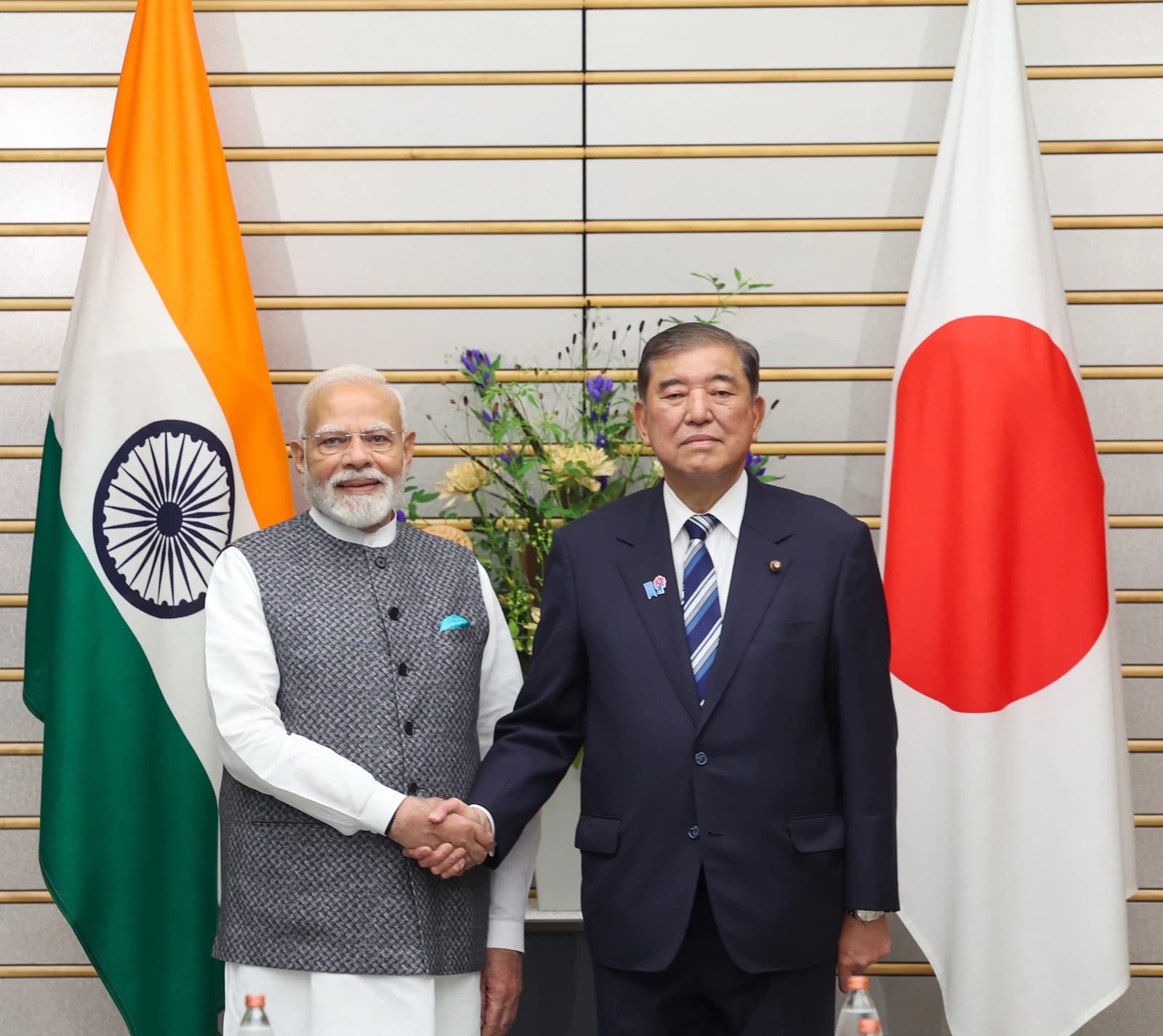
India stayed third at 40.5 points, but it also narrowed the distance with China to its smallest in eight years. Its overall score rose 0.5 point as gains in cultural influence, defense networks and future resources outweighed a 0.7-point drop in economic capability.
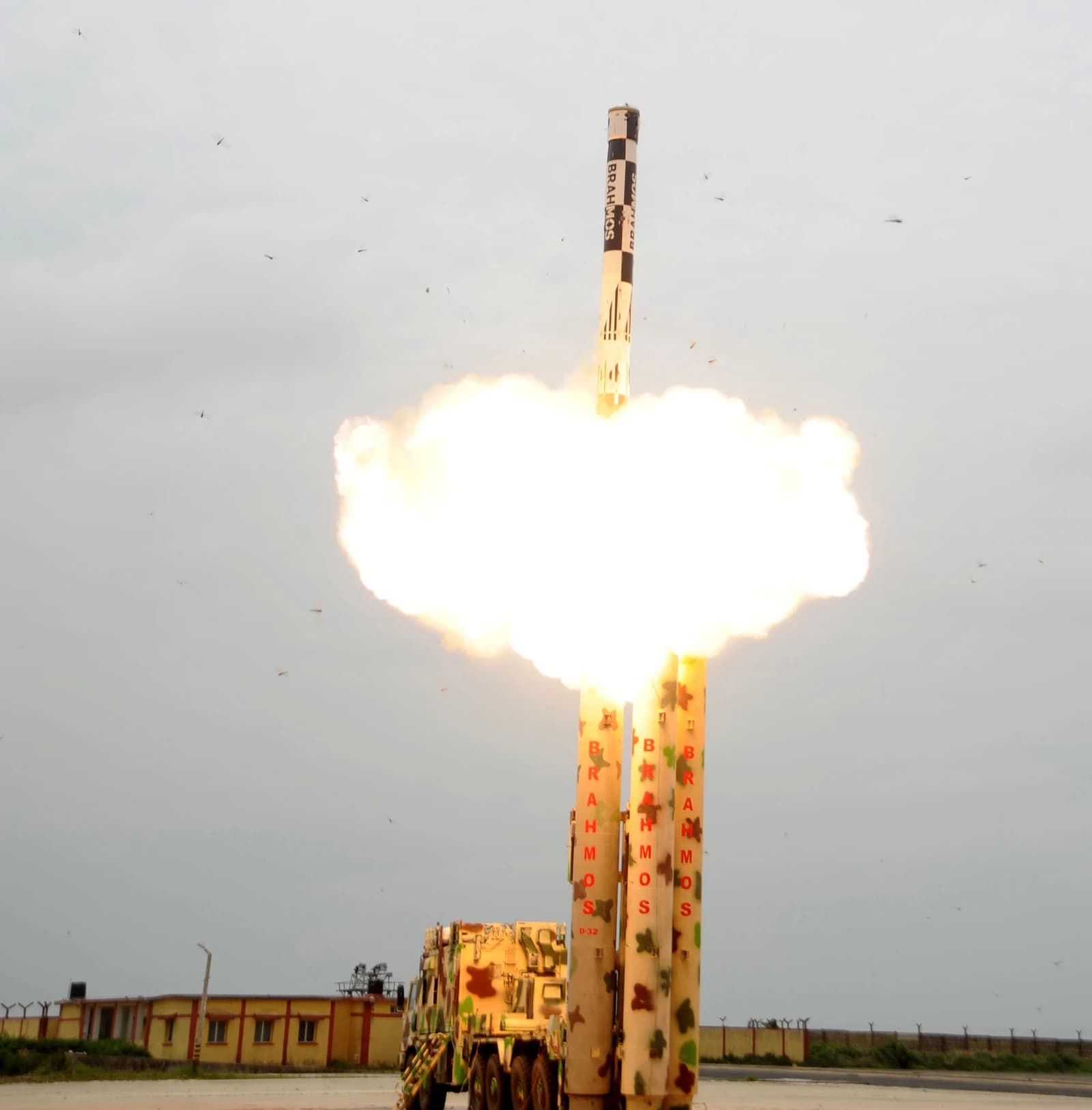
For investors, the rankings reinforce a market reality already visible across defense, infrastructure and supply-chain strategies: Asia remains the main arena of strategic competition, and middle powers are trying to hedge between the two superpowers. India’s stronger defense-network score, helped by deeper security cooperation and BrahMos missile exports to Southeast Asia, underlines its growing role as a security partner, while its rise to seventh in economic relations points to more durable trade and investment links.
The rest of the top 10 shows where that competition is spreading. Japan ranked fourth at 38.6 points and remained second on diplomatic influence, though its economic-relations score fell 15% to the lowest level since the index began. Australia placed sixth and ranked second on defense networks, helped by its plan to buy Japanese Mogami-class frigates, a sign of tighter regional security cooperation.
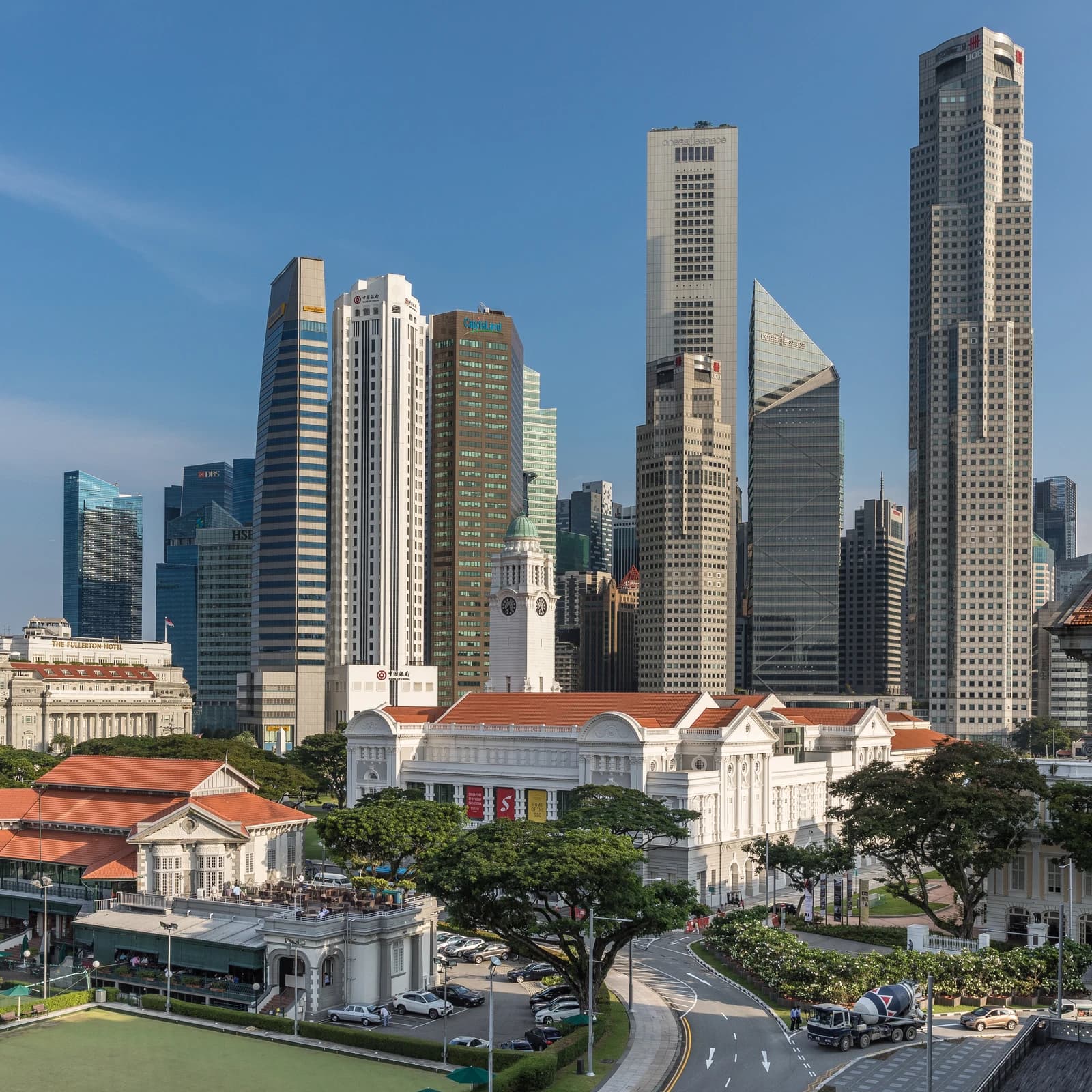
In Southeast Asia, Singapore led the region and ranked eighth overall with 26.9 points, supported by a third-place finish in economic relationships. Indonesia was ninth despite an 0.8-point drop, while Malaysia held 10th place.
The broader message for markets is that Asia’s power hierarchy is becoming more contested, not less. That favors companies tied to defense spending, strategic manufacturing, logistics and regional infrastructure, while keeping pressure on governments that must spend more to protect supply chains, secure energy systems and manage geopolitical risk. The next test will be whether the US-China gap narrows further and whether India can convert its rising strategic profile into stronger economic power.
| Entity | Gains | Losses |
|---|---|---|
| US | ▲No. 1 overall power | ▼Smallest lead over China |
| China | ▲Diplomatic influence | ▼Slight score decline |
| India | ▲Defense ties, regional clout | ▼Economic capability score |
| Japan | ▲Diplomatic standing | ▼Economic-relations score |