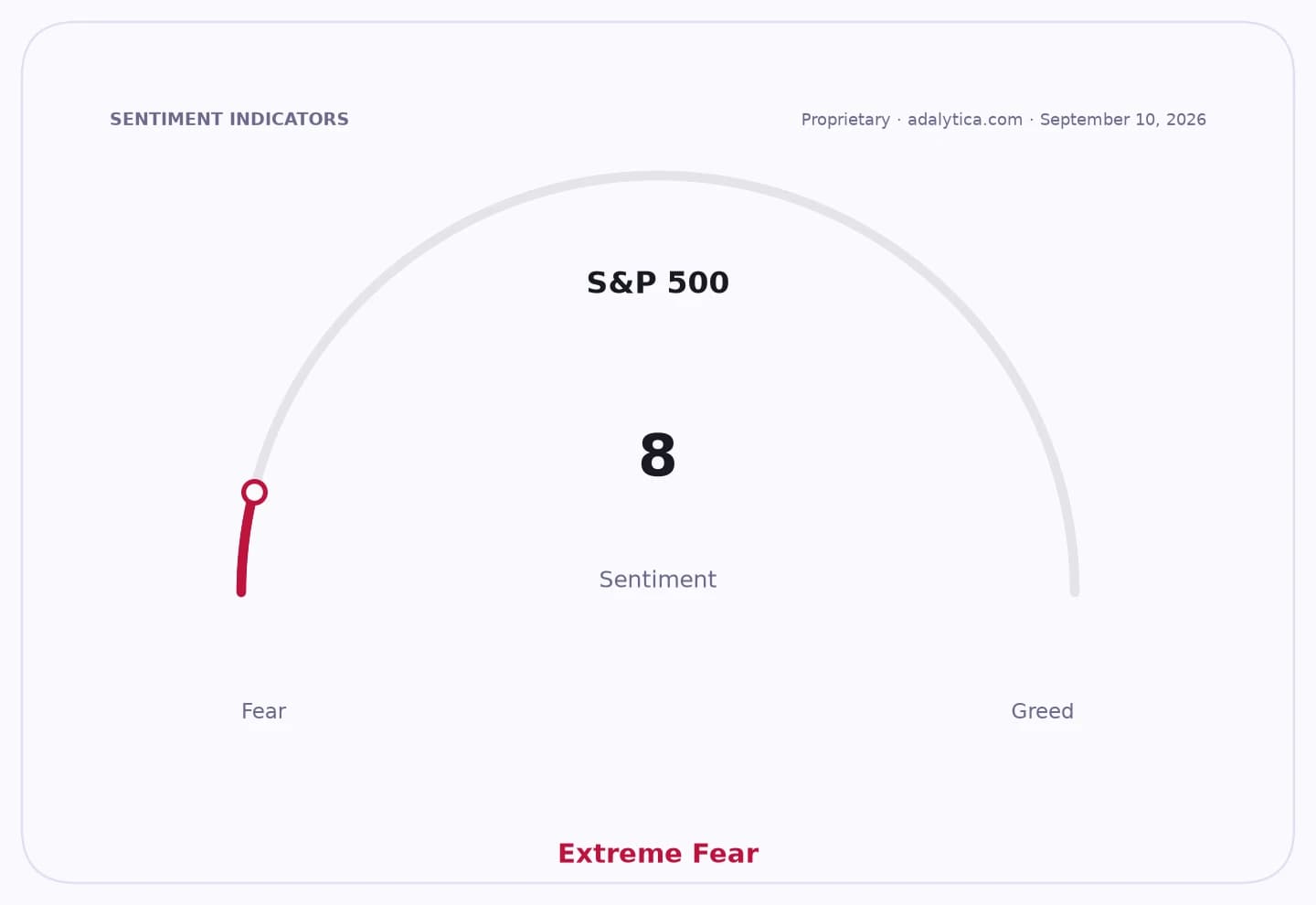
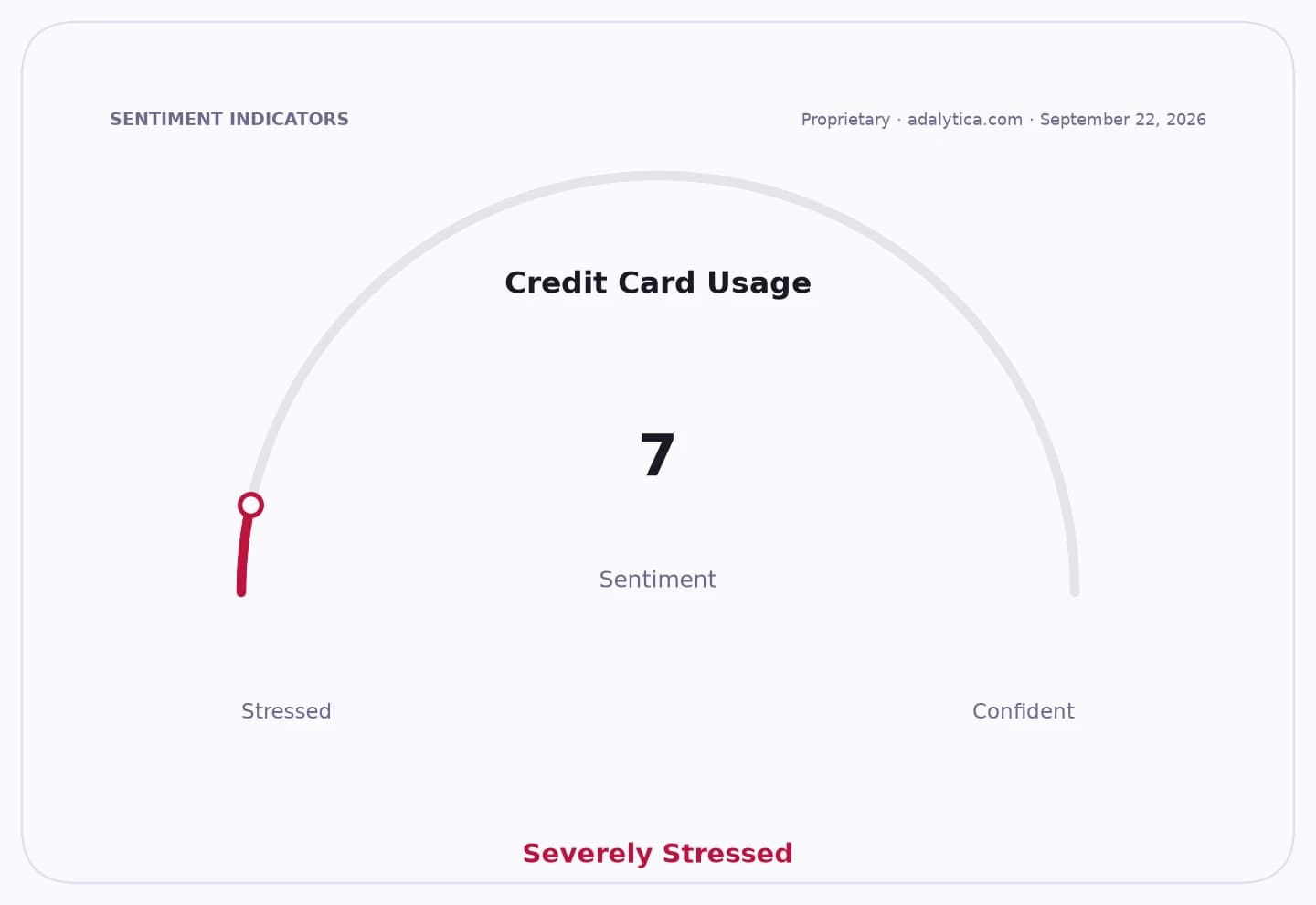
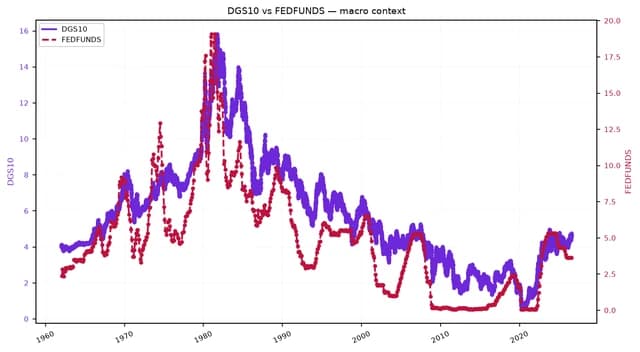
Consumers are still navigating a credit environment that makes small mistakes expensive, with benchmark borrowing costs near 4.8% and the Federal Reserve’s policy rate at 3.63%, leaving households vulnerable to debt traps built around card balances, BNPL plans and variable-rate loans.
U.S. consumers face higher debt stress from elevated rates

The risk matters because the path out of debt has become narrower just as financing costs remain elevated. Even after the latest policy easing cycle, the 10-year Treasury yield is forecast at 4.802% for Sept. 4, while unemployment is projected near 4.02%, a combination that suggests labour market conditions are still stable enough to support spending but not strong enough to guarantee wage growth will outrun debt service costs. That leaves consumers exposed if they stack multiple obligations that appear affordable on their own but become hard to manage together.

The warning signs are embedded in the kinds of products that usually trip borrowers up. Zero-down purchases, expensive car loans, timeshares, variable-rate borrowing, subscription creep, payday-style loans, credit cards and buy-now-pay-later plans all have the same economic flaw: they defer the pain until households have already committed future income. For lenders, that structure can produce growth in balances and fees; for borrowers, it can turn routine spending into a recurring drag on disposable income.
The pressure is not just theoretical. Credit-card issuers and consumer lenders have been managing higher loss provisions and closer scrutiny of delinquencies, reflecting a borrower base that is more stretched than it looked when rates were lower. Capital One and Synchrony have both disclosed monthly charge-off and delinquency data in recent filings, underscoring how closely investors are watching consumer stress. The broader backdrop also includes a rise in alternative financing, from BNPL to faster online credit, which can widen access but also multiply repayment obligations across different due dates and fee structures.
For investors, the story is about the quality of credit growth, not just the quantity. Stable employment and a still-resilient consumer can support lenders’ top lines in the near term, but if households increasingly lean on short-term credit to bridge everyday spending, losses can rise quickly once rates, fees or income conditions move against them. That makes lenders with heavier exposure to lower-credit borrowers, or to products with payment deferral features, more sensitive to any slowdown.
The message for households is equally clear: the biggest debt problem usually starts with a series of seemingly manageable decisions, not one dramatic mistake. If borrowing costs stay elevated and the labour market cools even modestly, the gap between “affordable now” and “manageable later” could widen fast.
| Entity | Gains | Losses |
|---|---|---|
| Prime borrowers | ▲Access to credit | ▼Lower borrowing discipline |
| Lenders | ▲Interest income, fee revenue | ▼Higher default risk |
| Consumers with multiple debts | ▲Short-term liquidity | ▼Long-term financial flexibility |
| Card and BNPL issuers | ▲Loan growth | ▼Rising delinquencies |