The real cost of establishing a digital currency bank is no longer software, branding or customer acquisition — it is capital, and the gap now decides who gets to compete.
U.S. Digital Bank Charters Face Higher Capital Costs
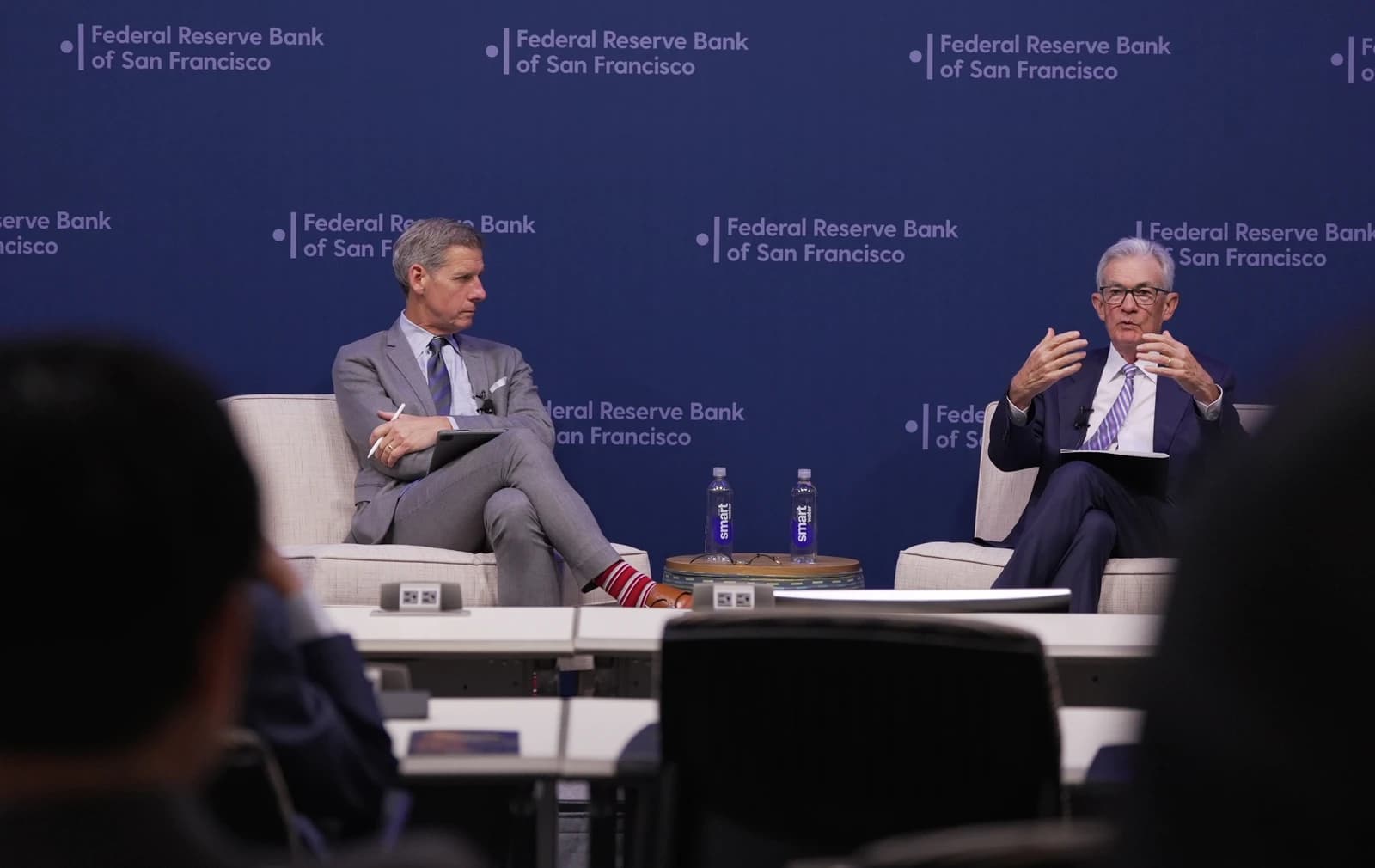
As U.S. regulators process a surge in digital-asset banking applications, the Office of the Comptroller of the Currency has 40 bank charter requests under review, 23 of them tied to digital assets, according to Comptroller Jonathan Gould. That is an eightfold jump from the previous administration and underscores how the post-regulatory-clarity race is shifting from speculation to balance-sheet intensity.
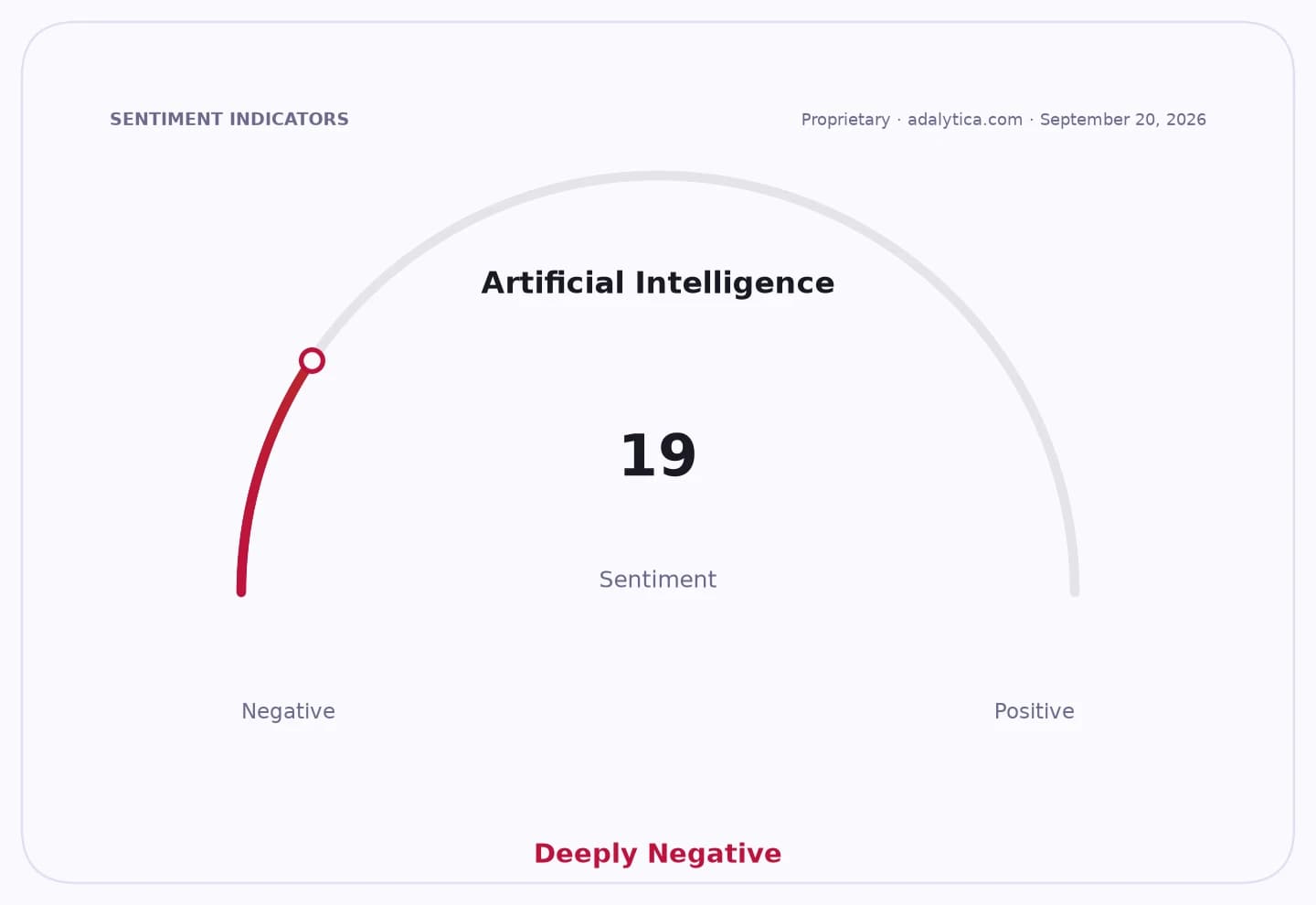
Sentiment IndicatorsⓘProprietary · adalytica.com · September 7, 2026
This is a snapshot — live sentiment, awareness and momentum for 130+ markets update continuously in the dashboard.Open AlphaPulse
The range of required capital is wide, but the message is the same: digital banking is becoming an expensive business with multiple tiers of entry. Circle’s national trust bank license, approved July 10, came with about $6.05 million in core capital and a narrow mandate to safeguard dollar reserves, not take deposits or make loans. At the other end, Revolut’s U.S. digital bank received conditional preliminary approval on Sept. 2 and requires $95 million of paid-in capital, plus a 10% tier 1 leverage ratio for its first three years, twice the usual 5% benchmark for traditional banks. Open Reserve Bank, backed by a $25 million seed round from a16z crypto, is pursuing a full-service national bank with $210 million of paid-in capital and a 12% tier 1 leverage ratio in its first three years as it targets an insured national bank launch by March 2028.
Economically, the capital hurdle is functioning as a regulatory moat. It screens out lightly funded entrants and favors firms that can absorb compliance costs, liquidity buffers and the operational burden of bank regulation. That matters because banking is not just a product business; it is a funding business. Higher capital requirements raise the break-even point, reduce leverage and make scale a prerequisite for survival.
Investors should read that as a bifurcation in the digital finance market. Trust-bank models can offer a relatively efficient route for custody and reserve management, but they are constrained and cannot become full banking franchises. Full-service charters, by contrast, offer broader monetization potential but demand much larger equity commitments and tighter leverage constraints early on. That alters valuation frameworks for crypto-native firms, payments companies and fintechs weighing whether a charter is worth the dilution and the regulatory drag.
The shift also favors incumbents. A 21-bank consortium including Bank of America, Citi, Goldman Sachs, Deutsche Bank and Wells Fargo is planning a dollar-backed stablecoin in the first half of 2027, while Wells Fargo is working on tokenized deposits for corporate clients — an FDIC-insured, interest-bearing blockchain product that differs from stablecoins, which cannot pay interest under the GENIUS Act. The largest banks already have the balance sheets, compliance teams and distribution to push into digital money without starting from scratch.
That leaves smaller challengers with a stark choice: pay up for a charter, stay narrow as a trust company, or risk being relegated to the margins of the new financial stack. The capital wall is not just setting the price of entry; it is reshaping who gets to define digital banking in the next cycle.
| Entity | Gains | Losses |
|---|---|---|
| Large U.S. banks | ▲Higher barriers to entry | ▼Smaller fintech rivals |
| Circle-style trust banks | ▲Lower capital route | ▼Full-service banking reach |
| Revolut and other digital banks | ▲Charter credibility | ▼Capital efficiency |
| Crypto-native startups | ▲Regulatory clarity | ▼Cheap market access |