The US has scrapped automatic extensions for many work permits, a move that could force Indian H-1B families and other foreign workers to stop working if renewals are still pending when their current authorizations expire.
US Ends Automatic H-1B Work Permit Extensions
The policy change matters because it adds a new bottleneck to an already backlogged immigration process and gives employers less flexibility to keep staff on the payroll while paperwork moves through US Citizenship and Immigration Services. Under the old system, eligible applicants who filed renewal requests on time could keep working while they waited for approval, reducing the risk that a bureaucratic delay would interrupt paychecks and operations.
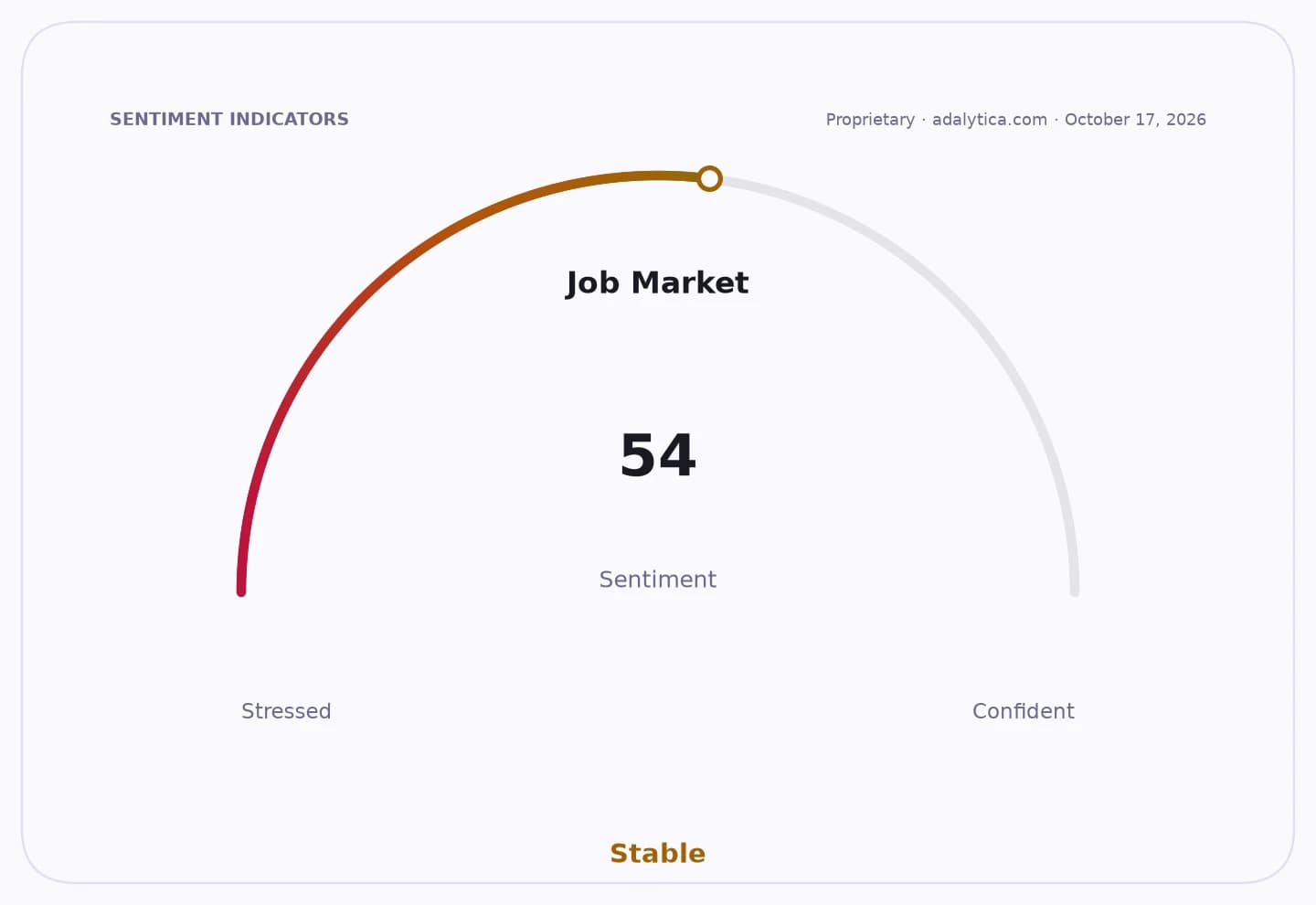
Sentiment IndicatorsⓘProprietary · adalytica.com · October 15, 2026
This is a snapshot — live sentiment, awareness and momentum for 130+ markets update continuously in the dashboard.Open AlphaPulse
Now, workers will generally need to wait for a renewal to be approved before continuing past the expiry date of their current documents, unless another provision applies. The government said the shift would allow authorities to carry out more frequent checks on applicants, but for companies relying on H-1B talent, the practical effect is more uncertainty around staffing, especially for roles that cannot easily be filled at short notice.
Indian workers are particularly exposed because the rule also affects H-4 visa holders, some of whom work in the US under employment authorisation tied to a spouse’s H-1B status. If those permits lapse before renewals are approved, affected employees could be forced off the job, a disruption that would ripple through households, employers and, in some cases, project timelines at technology and services companies.
The change lands amid rising political scrutiny of H-1B hiring. US Vice President JD Vance has recently intensified criticism of the visa system and Microsoft, while India has pushed back hard against language it called offensive and unwarranted. A separate lawsuit filed by H-4 visa holders in January argues the rule change violates US administrative law, though that case is limited to the plaintiffs and does not block the policy nationwide.
For investors, the issue is less about direct revenue risk today than about execution risk for US tech and outsourcing-heavy businesses that depend on global talent flows. Companies with large Indian workforces may face higher HR friction, slower onboarding and more disruption if renewal timelines stretch, while workers nearing permit expiry could become increasingly cautious about job moves.
The market angle is likely to stay centered on immigration enforcement, labor availability and the broader US-India relationship, with any further court rulings, USCIS guidance or additional H-1B restrictions likely to shape sentiment toward the sector and the people who power it.
| Entity | Gains | Losses |
|---|---|---|
| US immigration authorities | ▲More screening power | ▼Less automatic continuity |
| US employers | ▲Tighter compliance control | ▼Staffing disruptions |
| Indian H-1B/H-4 workers | ▲None | ▼Work interruptions risk |
| Tech and outsourcing firms | ▲Slower turnover pressure eased | ▼Talent availability uncertainty |