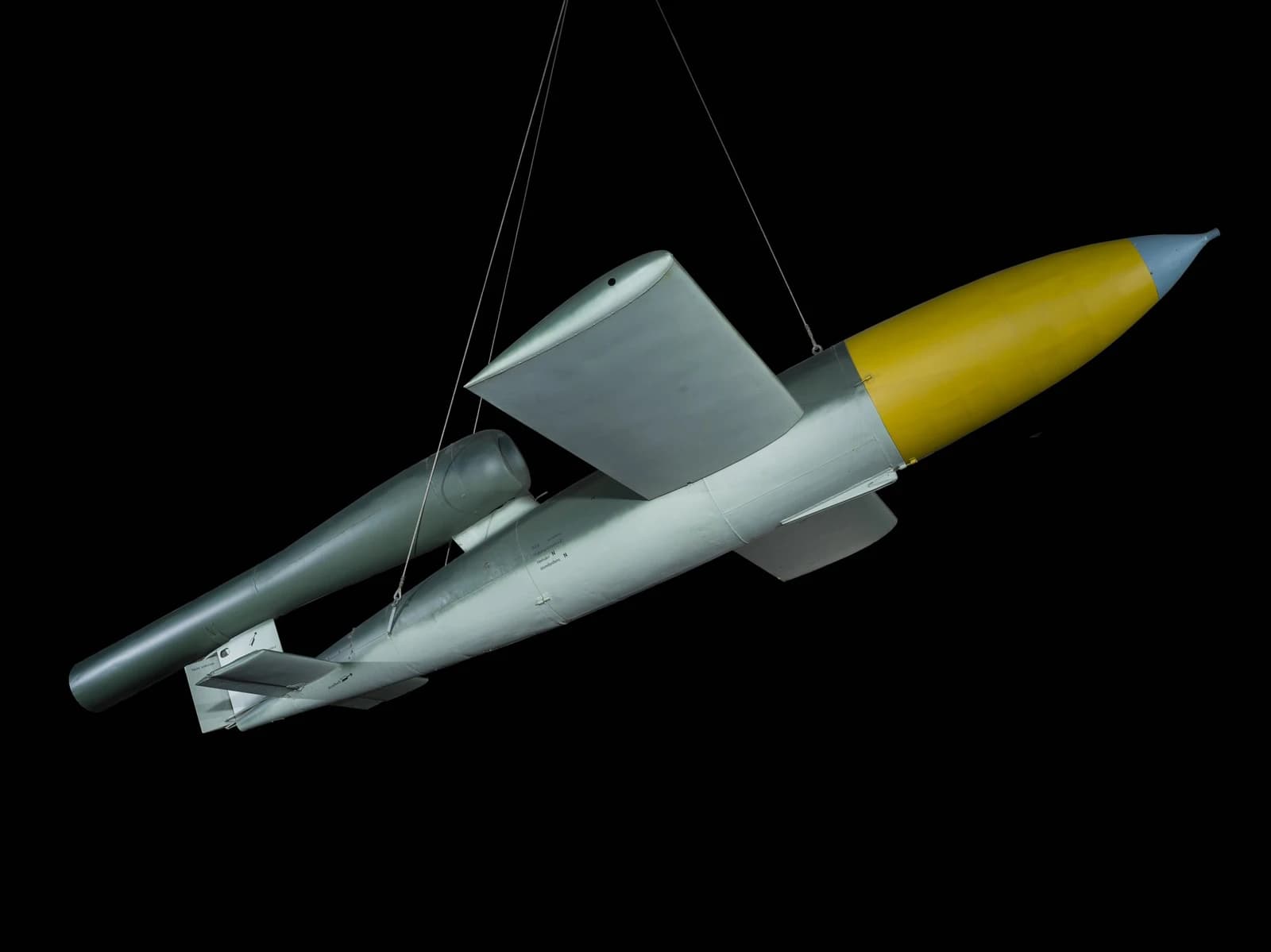
The United States has burned through so many long-range precision weapons in operations tied to the Iran conflict that stocks of Tomahawk cruise missiles, ATACMS and Patriot interceptors are now so tight Washington is warning of a potential hit to its ability to deter Russia and China.
U.S. missile stockpiles tighten; Lockheed, RTX cited

That shortage matters far beyond the battlefield. Precision missiles and air-defense interceptors are the backbone of U.S. extended deterrence, and a thin inventory raises the risk that the Pentagon cannot sustain simultaneous commitments in the Middle East, Europe and the Indo-Pacific without rapidly expanding production.
For investors, the immediate implication is a stronger demand signal for missile makers, especially Lockheed Martin, which builds ATACMS and Patriot systems, and RTX, which makes Patriot interceptors. Northrop Grumman, which has exposure to missile-related programs, also stands to benefit if the Pentagon moves quickly to refill shelves and approve multi-year buys.
The market has already priced in some of that urgency. Lockheed Martin shares closed at $580.15 on Aug. 5, up from $496.21 on Oct. 20, and remain well above the 50-day moving average. RTX ended at $222.55, compared with $150.03 in September, while Northrop Grumman closed at $556.27, down from a March peak but still above the 50-day average.
Recent filings suggest the replenishment cycle is already underway. RTX said in its latest 10-Q it booked $3.7 billion for Patriot GEM-T interceptors for Ukraine, along with additional missile orders for U.S. and international customers. Lockheed said in its filing that production ramp-up on PAC-3 and other missile lines lifted sales in its missiles and fire control unit.
The shortage also underscores a wider industrial problem: the U.S. has spent years trying to rebuild munitions capacity, but demand has surged faster than output. Production lines for interceptors and cruise missiles cannot be expanded overnight, leaving the Pentagon to choose between shipping weapons now and preserving stockpiles for a larger war.
That tension is likely to keep defense spending focused on munitions, air defense and supply-chain expansion into the next budget cycle. Until inventories recover, missile producers should remain leveraged to policy urgency rather than ordinary procurement pacing.
| Entity | Gains | Losses |
|---|---|---|
| Lockheed Martin | ▲ATACMS, Patriot orders | ▼Thin near-term inventory |
| RTX | ▲Patriot interceptor demand | ▼Supply pressure, backlog strain |
| U.S. defense planners | ▲Replenishment funding case | ▼Readiness and deterrence gaps |
| Russia and China | ▲U.S. stockpile concerns | ▼U.S. missile production buildup |