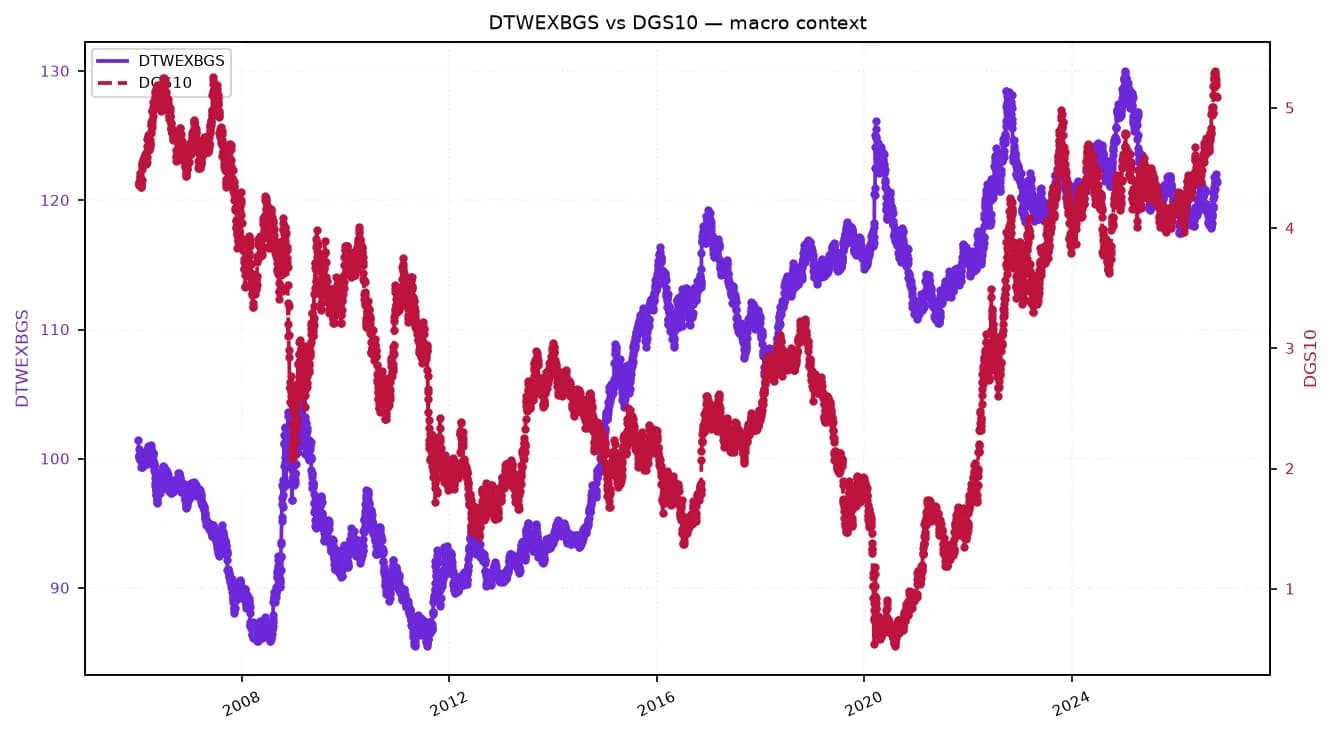
US government bonds are heading for their strongest weekly gain since February as investors pull money out of risk assets and back into Treasuries, pushing borrowing costs lower after a sharp run-up to multi-decade highs.
US Treasury Yields Fall as Risk Appetite Eases
The move matters because it resets one of the market’s most important price signals: the cost of money. Lower Treasury yields can ease pressure on mortgage rates, corporate borrowing and rate-sensitive stocks, while also reinforcing the bond market’s role as a refuge when confidence in growth and tech valuations wobbles.
The latest bid for safety comes as concerns around artificial intelligence ease, reversing part of the recent selloff that had lifted yields and unsettled equity markets. Traders are also watching foreign demand closely, with Canada’s holdings of US debt rising to $465 billion as of August, even as reports point to China trimming exposure.
That mix of stronger overseas buying and softer risk appetite is helping stabilize the Treasury market after weeks of volatility. For investors, the question is whether the rebound in bonds is a short-lived rotation or the start of a broader repricing of growth, inflation and AI-fueled market optimism.
The next catalyst is likely to come from fresh signals on AI sentiment, Treasury demand from major foreign holders and any renewed move in yields that would test whether this week’s rally has staying power.
| Entity | Gains | Losses |
|---|---|---|
| US Treasury bulls | ▲Higher bond prices | ▼Lower yields if risk appetite returns |
| Rate-sensitive stocks | ▲Easier financing backdrop | ▼Slower growth if recession fears rise |
| US borrowers | ▲Cheaper debt costs | ▼Relief fades if yields rebound |
| Foreign holders like Canada | ▲Bigger Treasury exposure | ▼Mark-to-market losses if yields climb |