Rubio’s message matters because the Trump administration is signaling that tighter U.S. visa rules are becoming a structural feature of policy, even as it insists the crackdown is not aimed specifically at India.
U.S. visa rules pressure India IT firms
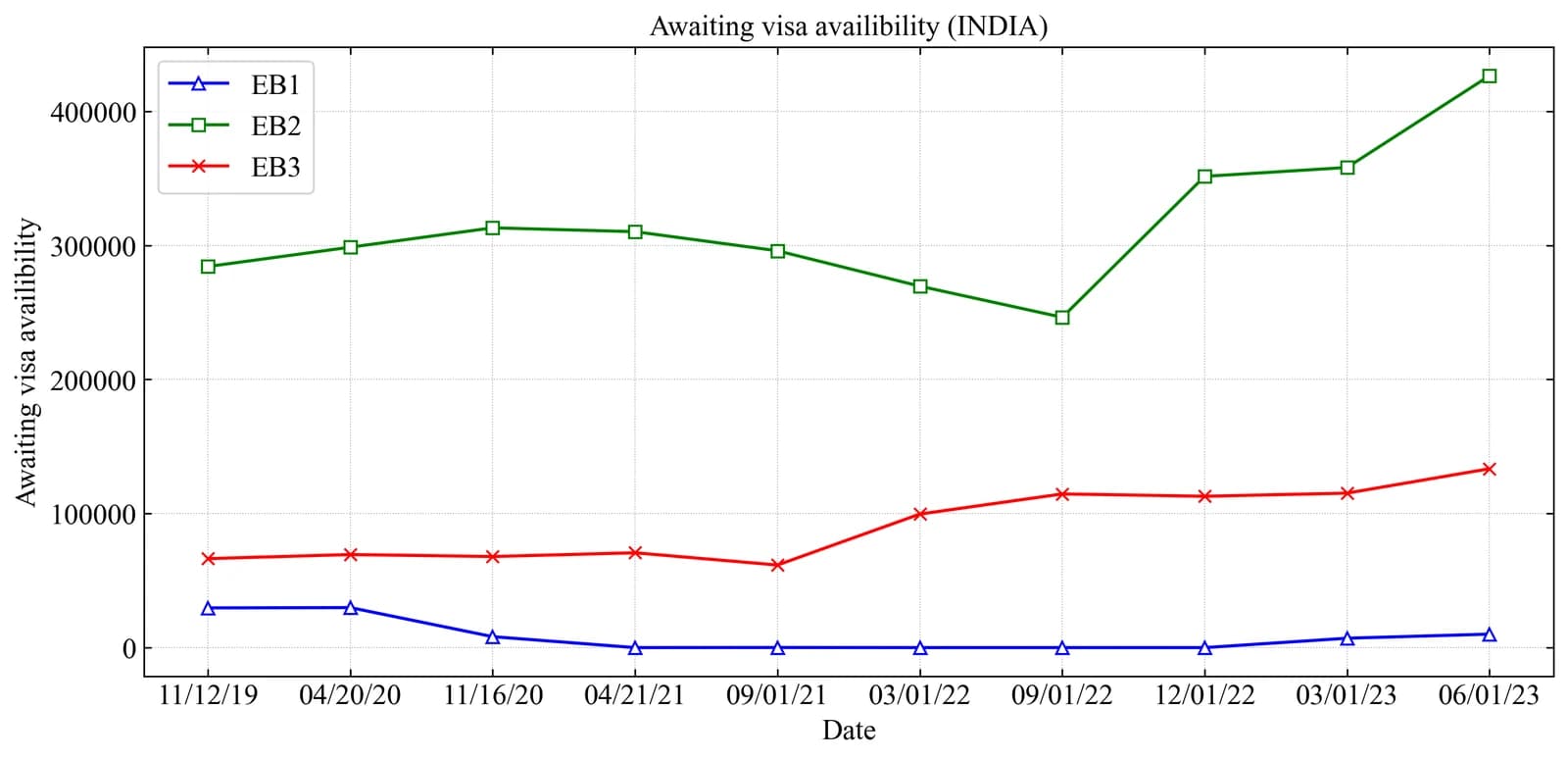
For investors, that is more important than the diplomatic reassurance. India’s role as a feeder market for U.S. students, engineers and tech workers has long supported consulting firms, IT services groups and cross-border growth strategies. If Washington keeps narrowing work-visa pathways while saying it is “fixing” the system globally, the friction shows up first in hiring, staffing and client delivery for companies that rely on Indian talent flows.
Rubio’s comments to the Indian Express were designed to calm New Delhi, but they also underline the political logic behind the clampdown. The administration is framing immigration as a system-wide reset, not a bilateral dispute, with Rubio blaming “mass migration” and claiming the U.S. is protecting legal immigration from abuse. He said the problem is not unique to India, yet acknowledged the impact can appear disproportionately large there because so many Indians apply for certain visa categories.
That distinction matters. If the policy is broad-based rather than India-specific, the headwind is more durable and harder to negotiate away in a bilateral deal. It also suggests that companies in sectors exposed to U.S. labor mobility need to plan for a tighter visa environment, longer processing times and higher compliance costs even if trade relations with India remain intact.
The economic stakes are clear. India’s services economy has been built in part on the ability to place workers in the U.S. and support American clients onshore. Limits on that model can pressure margins for large outsourcers and consulting firms, accelerate onshore hiring costs for U.S. corporates and make offshore delivery even more central to how companies manage labor shortages. At the same time, Indian students and skilled professionals face less certainty around the pathway that has long linked India’s education system to U.S. opportunity.
That is why the market should look past the diplomatic tone and focus on the operating implications. Accenture, which has a large Indian talent base and deep exposure to enterprise technology spending, sits at the center of this trend, as do Indian IT outsourcers and staffing-linked services firms. The shares of companies that depend on smooth U.S.-India labor mobility could come under pressure if tighter screening and visa restrictions persist into 2026.
There is a second-order effect too: a more restrictive visa regime can push more work into automation, offshore delivery and AI-enabled productivity tools. That is a potential tailwind for firms that sell efficiency and cloud transformation, but a headwind for labor-arbitrage models that still depend on moving people rather than code.
Rubio also tried to separate the immigration fight from the broader U.S.-India relationship, saying the two countries are close to a trade agreement and that Washington does not intend to harm India. Investors should still treat the visa crackdown as its own risk. The trade deal may reduce tariff uncertainty, but it will not restore the old flow of talent if the administration is determined to rewrite the immigration system on a global basis.
The actionable takeaway is straightforward: watch U.S.-India labor mobility as a real earnings variable, not just a political headline. The best-positioned names are the firms that can monetize reskilling, automation and offshore scale; the most exposed are those whose growth still depends on easy access to U.S. work visas.
| Entity | Gains | Losses |
|---|---|---|
| U.S. immigration hawks | ▲tighter border control | ▼visa-driven growth models |
| Indian IT services firms | ▲automation demand | ▼U.S. work-visa access |
| Accenture | ▲digital transformation spend | ▼labor mobility friction |
| Indian students and skilled workers | ▲long-term clarity if system opens | ▼near-term visa uncertainty |